



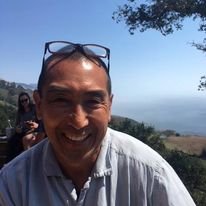
Today we’d like to introduce you to Leonard Han.
Hi Leonard, thanks for sharing your story with us. To start, maybe you can tell our readers some of your backstory.
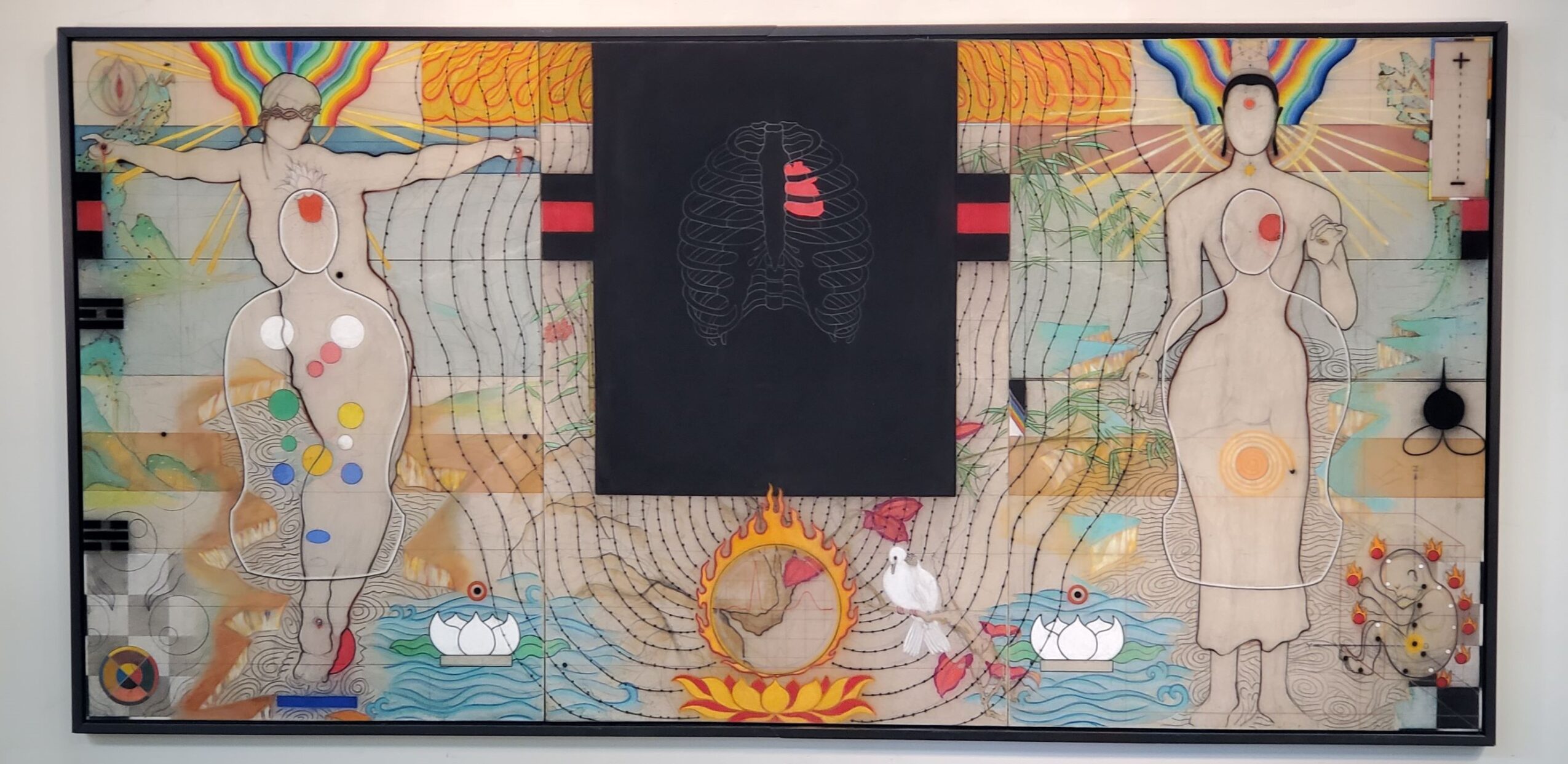
For more than 45 years, my interdisciplinary practice has evolved through painting, Chinese Lion Dance, Taiji, and Qigong. Rooted in Taoist thought, my work explores balance, energy cultivation, presence, and human connection through visual art, movement, sound, and cultural performance. My long term goals are to deepen my painting practice while engaging community through collaborative experience.
Through painting, movement, sound, and performance, I seek to cultivate vitality, awareness, and relational connection. Teaching Taiji, Qigong, and Lion Dance remains central to this process, encouraging balance, healing, self-awareness, and experiential learning through the senses.
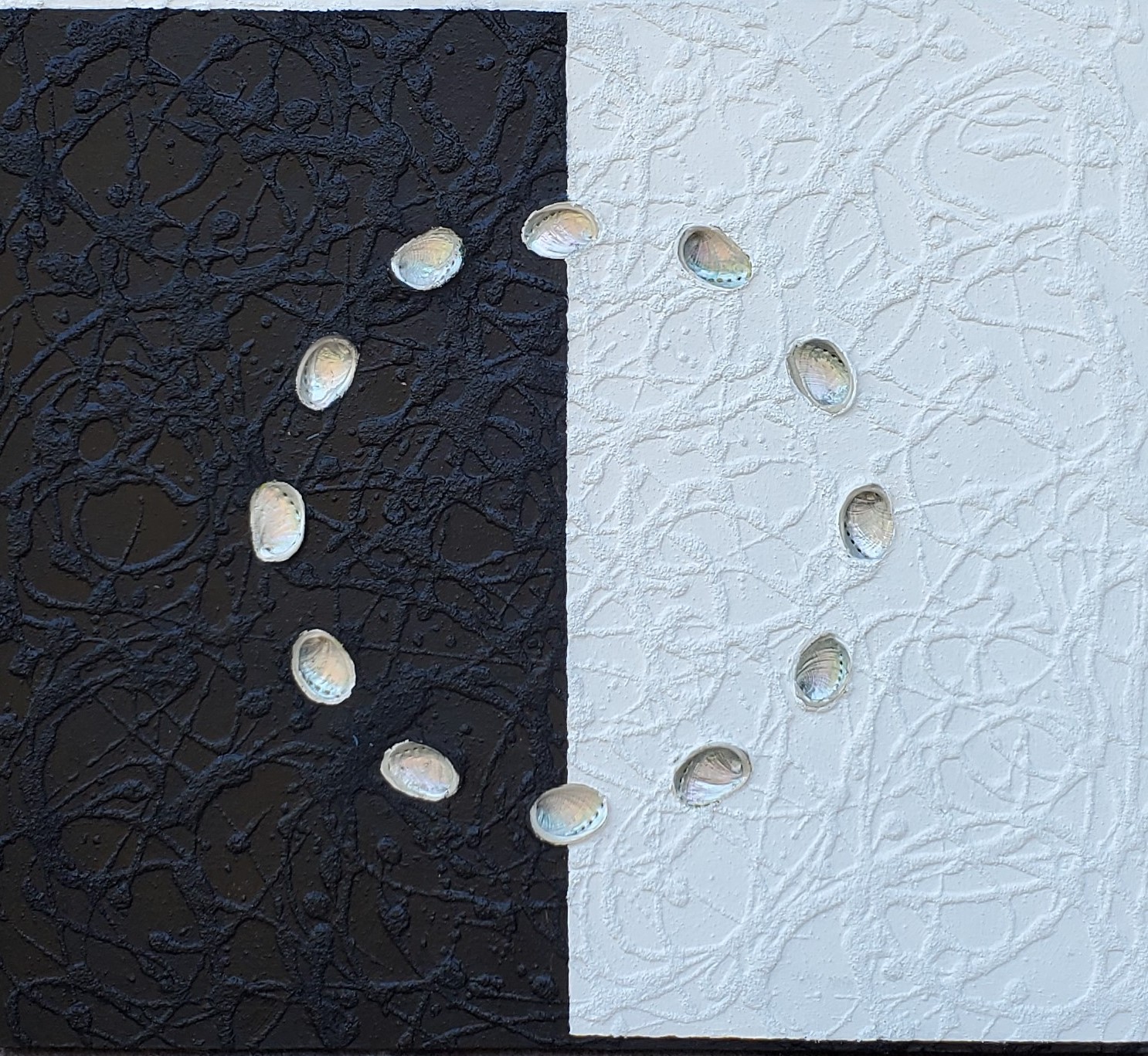
Lion Dance creates symbolic and communal experiences through movement, percussion, and narrative gesture that resonate across generations and cultures. More recent abstract paintings continue this exploration through texture, material, and sensory presence. Using shells, sand, and layered paint, I investigate how gesture and material, embody movement, atmosphere, and emotional resonance. Rather than depicting something fixed or concrete, the images render an inner felt sense shaped by lived experience, environment, memory, and the ongoing process of making art.
Alright, so let’s dig a little deeper into the story – has it been an easy path overall and if not, what were the challenges you’ve had to overcome?
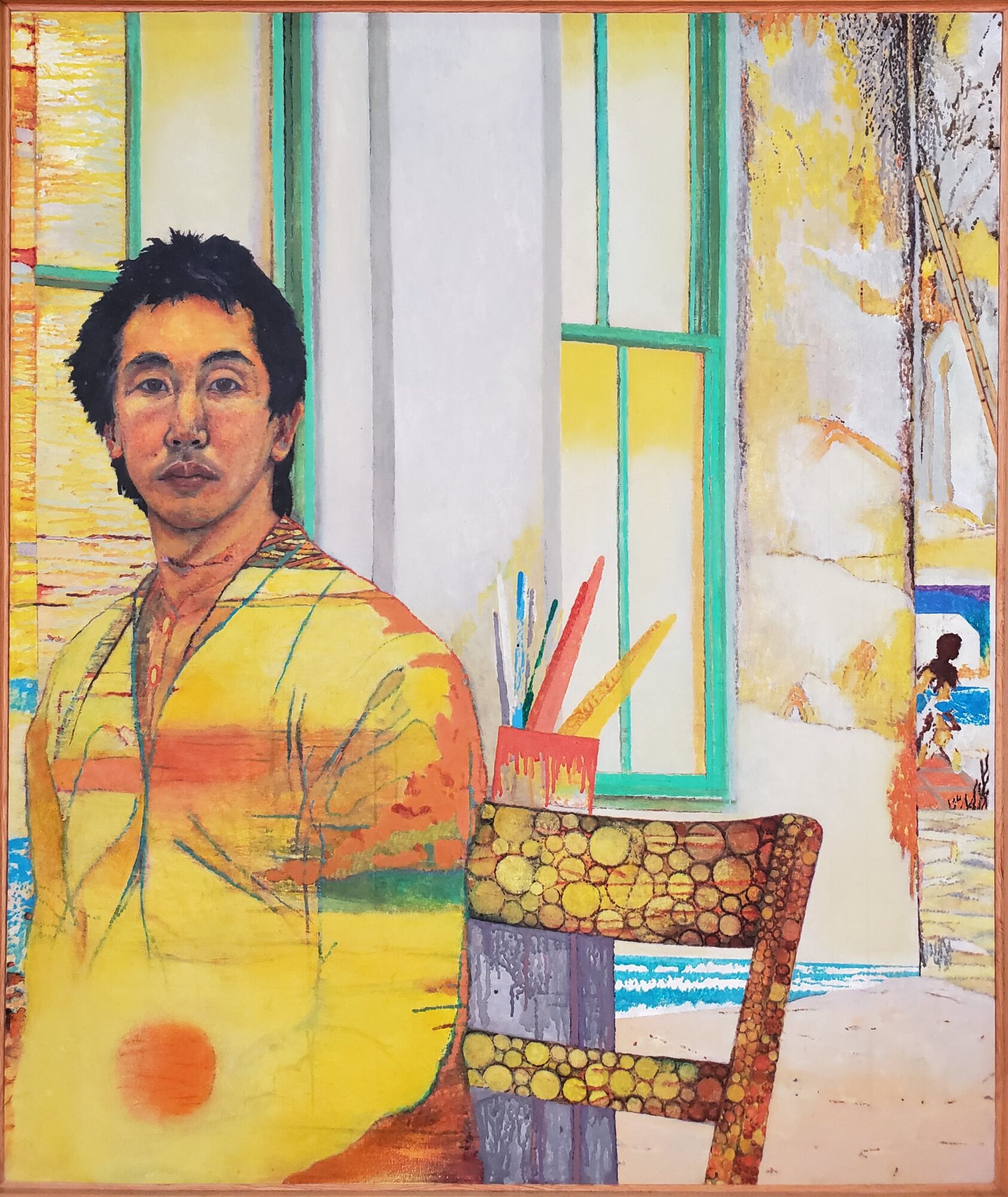
Overcoming a fragmented childhood and struggles with the law as a teenager, I transformed those experiences into a lifelong dedication to the arts. Drawing from an early age became both an outlet and a path forward, leading me to study studio art at Monterey Peninsula College, UC Santa Cruz, and later the University of Pennsylvania. Travel, lived experience, disciplined practice, and the guidance of many mentors helped shape the foundation of my artistic voice.
Raised for ten years by a surrogate family and not meeting my mother until I was 19 years old, questions of identity and belonging deeply influenced my creative development. In 1982, a search for my cultural roots led me to Chinese Gong fu and Lion Dance as both cultural tradition and performing art. Over the next four decades, Taiji, Qigong, and Chinese Lion Dance became integral to my artistic philosophy and daily life. With painting as my primary vocation, my work bridges my Asian heritage and American upbringing through an interdisciplinary practice that unites painting, movement arts, and cultural tradition. These experiences continue to shape my approach to art, community leadership, and the exploration of identity through creative expression.
As you know, we’re big fans of you and your work. For our readers who might not be as familiar what can you tell them about what you do?
My interdisciplinary practice in Visual Art – Painting, and Cultural Performance Art – Taiji, Qigong, and Chinese Lion Dance centers on personal transformation, cultural connection, and collective well-being.
Rooted in Taoist thought and over 45 years of teaching and artmaking, my work explores how movement, creative practice, and embodied awareness cultivate presence, resilience, empathy, and human connection across diverse communities.
Through painting, I explore atmosphere, memory, disruption, and emotional experience using texture, gesture, and layered materials which more recently has embodied physical and material content produced through shells, sand, and paint. Through experimentation and sensory engagement, the work evokes an inner felt sense shaped by lived experience and environment.
Tradition and experimentation coexist through a commitment to cultural integrity, openness, and adaptability.
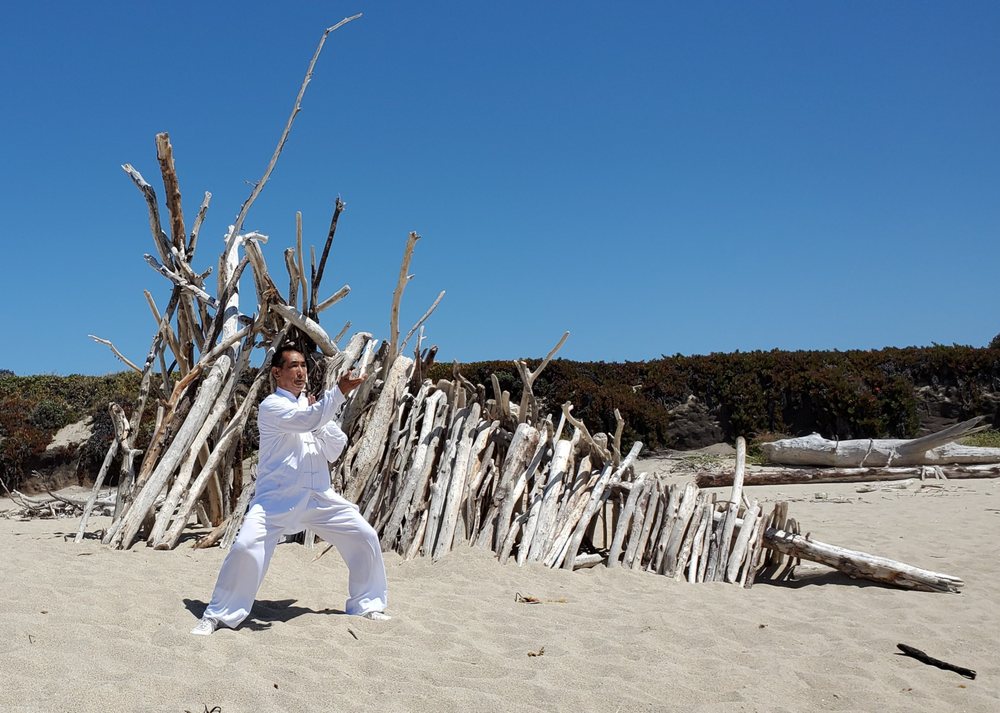
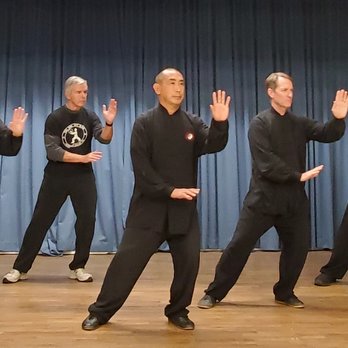
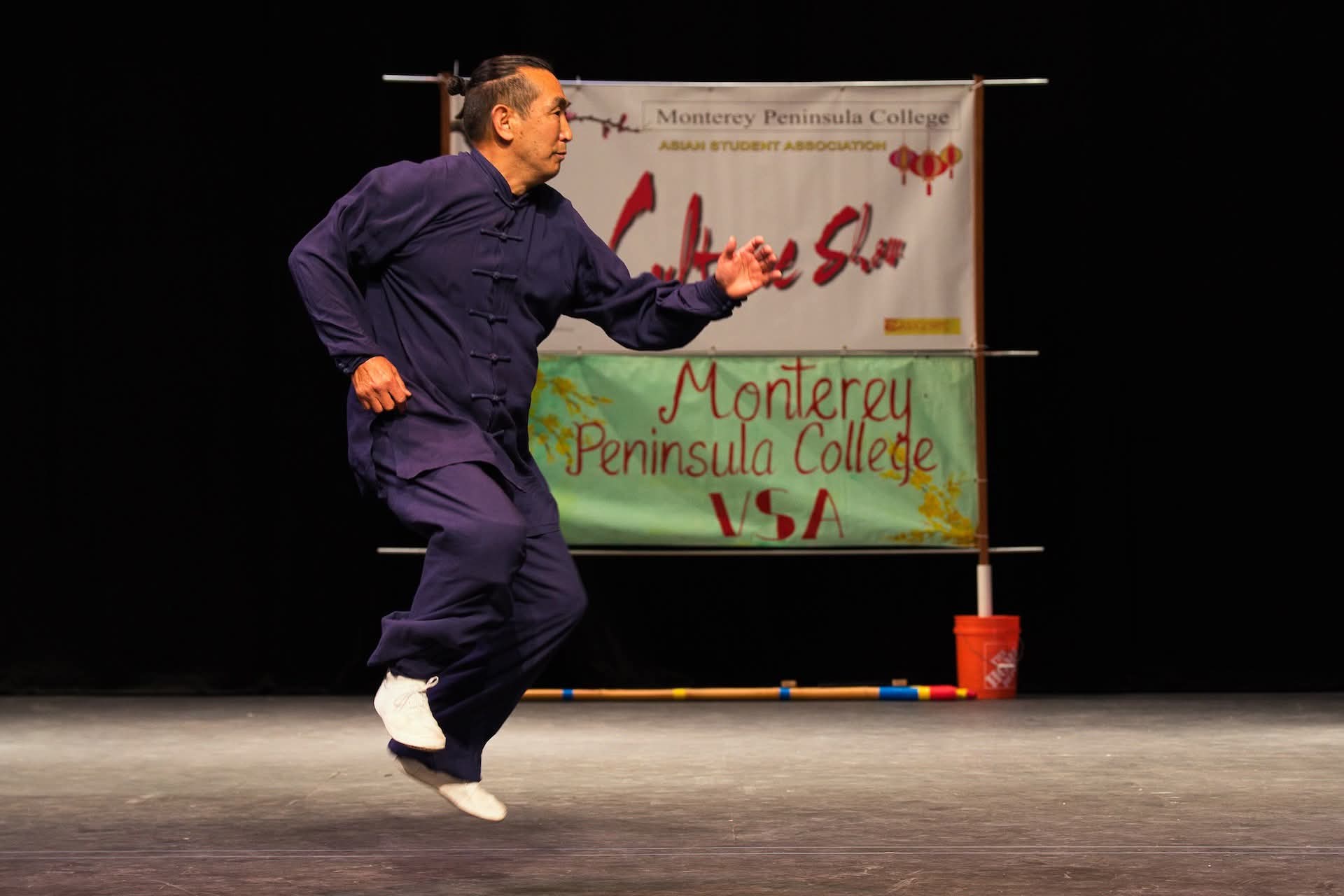
In Taiji and Qigong, students engage movement, breath, rhythm, sound, and awareness as direct sensory experiences that encourage balance, healing, self-awareness, and coherence between body, mind, and environment. These communal practices foster mutual respect, dialogue, and inclusion while strengthening meaningful connections between individuals and community.
Since 1982, integration of Taiji, Qigong, Chinese Lion Dance, and visual art has developed into an interdisciplinary approach aligned with the emerging field of neuro-aesthetics, which explores how participation in the arts transforms the brain and body. Through movement, sound, meditation, and creative practice, these disciplines support memory, cognitive development, emotional well-being, and embodied learning.
Together, my work creates an arts-based practice rooted in communal meaning, cultural openness, healing, and greater awareness of self, community, and the evolving social world.
Community Engagement & Social Impact*
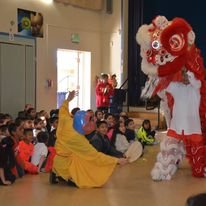
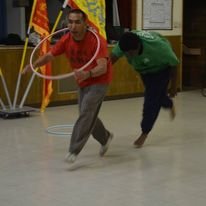
Since 1992, my work has focused on performing, teaching, and helping bring the cultural performance art of Traditional Chinese Lion Dance into the 21st century through arts education, cultural exchange, and community engagement across California’s Monterey Central Coast. That same year, I began teaching Taiji, Qigong, and Chinese Lion Dance through Monterey Bay Healing Tao.
In 1993, I founded the Monterey Bay Lion Dance Team, which became a nonprofit 501(c)(3) organization in 2016, and continues today through the dedication of its members, students, and community participants. Following my retirement from active leadership there in 2016, my work in Taiji and Qigong has continued through teaching, mentorship, performances, and occasional collaborations in Lion Dance with artists, educators, and cultural organizations.
For more than 20 years, these traditions have supported cultural education, wellness, and community connection through performances, workshops, classes, and public demonstrations at over 100 schools, civic programs, and community events, including collaborations with Salinas Unified School District, Monterey Unified School District, First Night Monterey, and the Pacific Grove Annual Walk of Remembrance.
Grounded in cultural integrity, shared experience, and community engagement, the work brings people together through movement, rhythm, breath, sound, percussion, and direct kinesthetic practice, cultivating awareness, balance, resilience, empathy, and cultural understanding. What was once often viewed as culturally exclusive has evolved into an intergenerational, multicultural, and increasingly poly-cultural space where people from diverse backgrounds learn, train, and perform together through mutual respect and collaboration.
Where we are in life is often partly because of others. Who/what else deserves credit for how your story turned out?
Mentors, Supporters, Advocates, and Teammates Who Shaped My Work
A long list of mentors, teachers, supporters, advocates, and collaborators has contributed to my development. Their influence can be understood through three interrelated disciplines—visual art, Chinese Lion Dance, and Taiji & Qigong—each shaping how I approach artistic practice, teaching, cultural transmission, and community engagement.
1. Visual Art — Painting and Printmaking
My early development as a painter was strongly influenced by Les Laky of Laky Galleries, who hired me to install exhibitions. Through our friendship and conversations, I developed a more discerning eye and a deeper appreciation for painting.
I also became friends with several important local artists, including Sam Colburn and Eldon Dedini, the noted New Yorker, Esquire, and Playboy cartoonist, as well as their wives, Grace Meredith and Virginia Dedini, both respected painters on the Monterey Peninsula. Hu Chi Chung, a Taiwanese figurative abstractionist and member of the Fifth Moon Group, introduced me to the use of sand as a material in painting—an idea that later resonated with my own work.
I was also fortunate to become acquainted with two legendary painters, S. C. Yuan and Chang Dai-Chien, whose very different approaches to Eastern and Western painting had a lasting influence on my artistic development. Figurative painters Joan Savo and Gerald Wasserman likewise became valued friends and teachers whose perspectives enriched my growth as an artist.
While attending UCSC, Hardy Hansen, Don Weygandt, Edward Carrillo, and Margo Humphrey each challenged and encouraged me to take my painting to new levels. Visiting artists—including Spanish Realist Miguel Arguello, Chicago Imagist Seymour Rosofsky, and third-generation New York Abstract Expressionist John Schuler—further expanded my understanding of painting and artistic practice.
Later, I was introduced to Irving Petlin, whose deeply personal painting, drawing, and autobiographical narrative work had a profound effect on me. Across these relationships, I learned not only from the artists’ work but also from their ways of seeing, thinking, and engaging with the creative process.
2. Chinese Lion Dance — Cultural Tradition, Teaching, and Community
I owe much to my first Gongfu teacher, Grandmaster Sifu That-Low of Philadelphia Chinatown, who introduced me to Chinese Lion Dance as part of my martial arts training. He gave me my first foundation in Lion Dance as both a cultural tradition and a performing art.
Later, Lion Dance Master Siow of Kuala Lumpur, Malaysia, taught me Hoksan Lion Dance, expanding and deepening my understanding of its training methods, cultural foundations, refinement, and performance. I brought this knowledge back to California and incorporated it into the training and teaching of my own students.
In 1993, I founded what became the Monterey Bay Lion Dance Team (MBLDT), creating a space where students of diverse ages and backgrounds could learn, train, and mentor one another through Chinese Lion Dance. What began as a small multicultural ensemble focused on preserving the integrity of the tradition evolved into a poly-cultural, relational practice centered on artistic growth, collaboration, mentorship, and community engagement.
Between 1993 and 2016, classes were taught, rehearsals directed, curriculum developed, and performances organized at more than 100 venues throughout California’s Central Coast. The most meaningful outcome of this work has been the continuation of mentorship: former students have gone on to lead, manage, teach, and perform at community events throughout Monterey and surrounding counties.
Two former students, Kryn Corpuz and Lisa Thornsbury Corpuz, have become professional community leaders who now help lead and manage the Monterey Bay Lion Dance Team, teaching and performing at major programs and events throughout the Central Coast.
Paulette Lynch, former Director of First Night Monterey and later Director of the Monterey Arts Council, was a longtime advocate and supporter. She consistently provided encouragement, insight, and assistance as the team developed within the broader community.
Alicia Diaz, an elementary school teacher with the Salinas Unified School District, was another important supporter. Together with Alicia and many Salinas school faculty members, we helped bring greater cultural awareness and competency into educational programs within the district.
Ultimately, the most important legacy of this work is not simply the performances, but the transmission of knowledge, cultural integrity, mentorship, and communal meaning from one generation to the next.
3. Taiji & Qigong — Internal Arts, Health, and Self-Cultivation
I owe a profound debt of gratitude to my Taiji and Qigong teacher, Grandmaster Mantak Chia, who introduced me to the theory and application of a comprehensive system encompassing Medical Qigong, Martial Qigong, and Spiritual Qigong practices. His teachings provided a foundation from which I have continued to cultivate, teach, and transmit Taiji and Qigong as holistic practices integrating body, breath, awareness, and life-force energy.
I am equally grateful to 19th-generation Chen Family Taijiquan lineage holder Grandmaster Chen Qingzhou, who taught me Chen Taijiquan Gongfu, self-defense, and martial Qigong. His instruction emphasized learning to “engineer the form”—understanding and applying the underlying principles rather than simply reproducing choreography. This training deepened my understanding of structure, rooting, internal power, redirection, and the relationship between martial application and health.
Together, the teachings of these two masters enabled me to further cultivate, teach, and apply Taiji and Qigong as practices that align body, mind, breath, and Qi (life-force energy). Through standing, moving, and meditative practices, I have sought to develop flexibility, strength, balance, internal awareness, mental clarity, vitality, and self-defense ability.
An Interconnected Practice
Although these three disciplines may appear distinct, they are deeply interconnected in my life and work. Painting taught me to see; Lion Dance taught me to transmit culture through movement and community; Taiji and Qigong taught me to experience movement from within. Together, they have shaped an approach centered on observation, embodiment, discipline, creativity, cultural transmission, and relationship.
“Across all disciplines, my work seeks to evoke presence—not only visually, but physically and energetically—through sensation, atmosphere, and lived experience.”
— Leonard Han
Contact Info:
- Website: https://mbhealingtao.com