



Today we’d like to introduce you to Dan Frechette.
Hi Dan, thanks for joining us today. We’d love for you to start by introducing yourself.
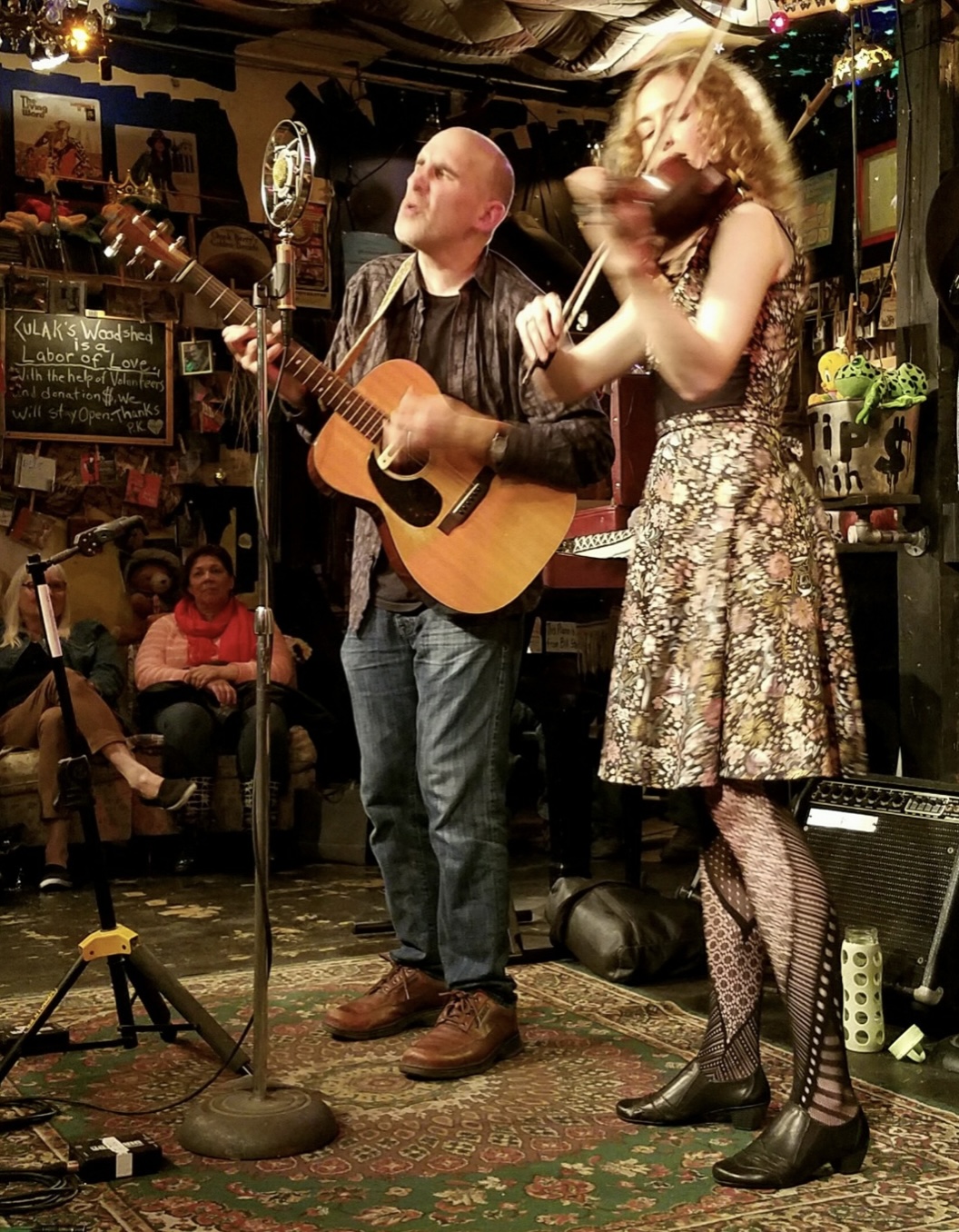
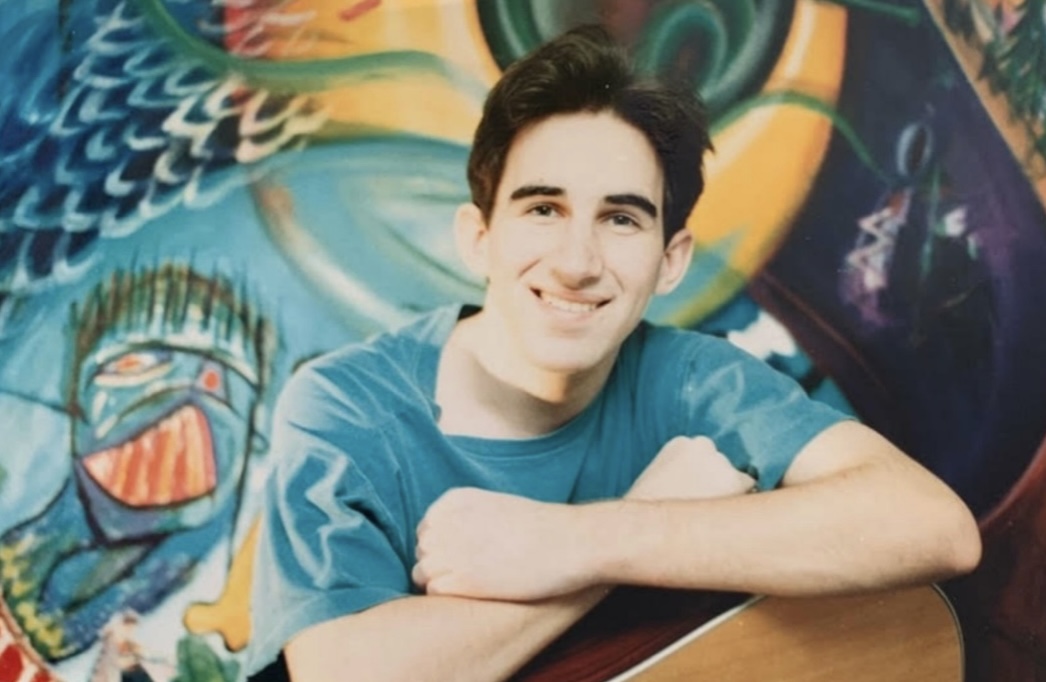
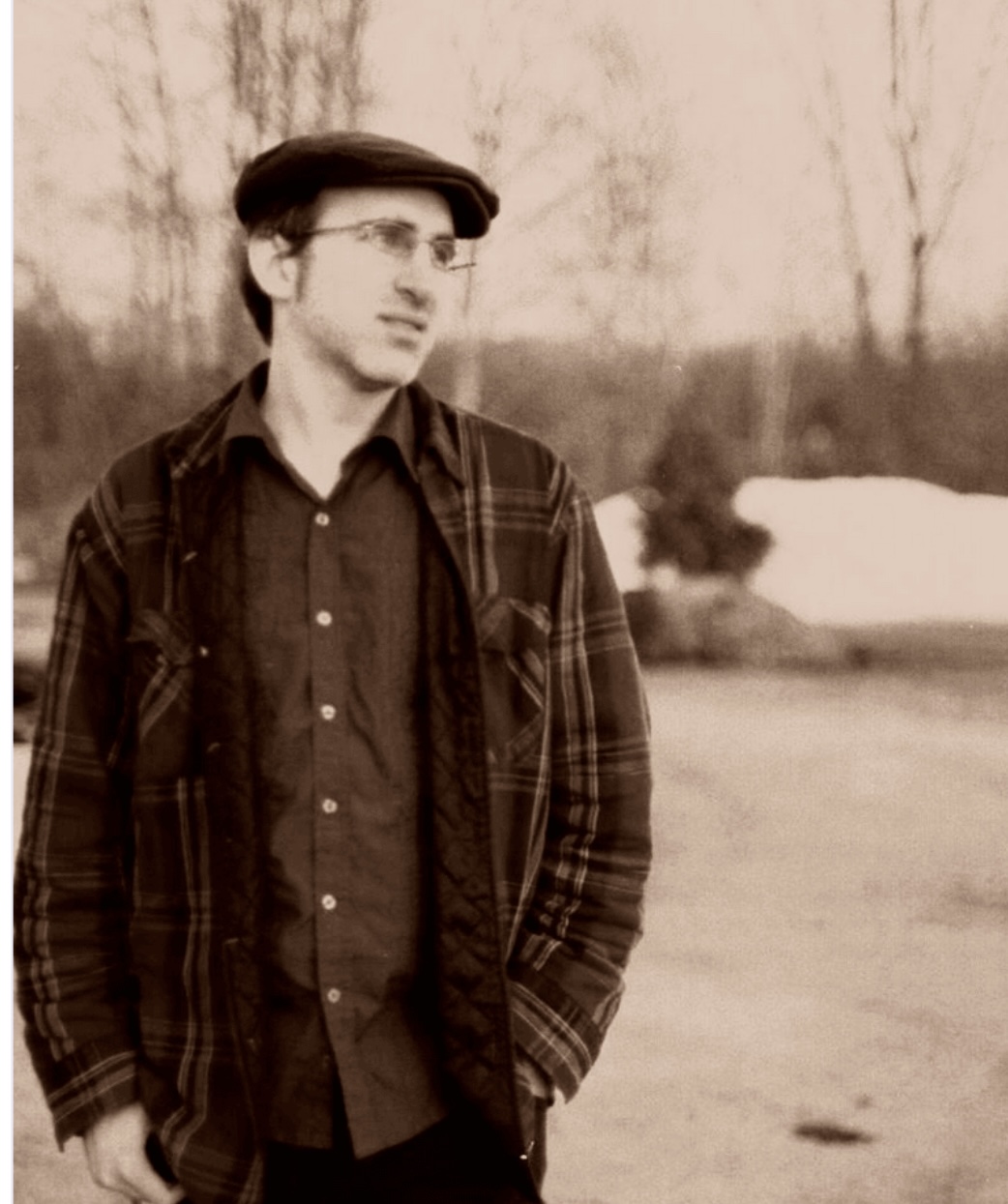
Back when I started, I had amazing parents, who were very supportive of my songwriting and were big fans. I remember them cheering me on at all my early gigs as a teenager in Pinawa and Winnipeg, Manitoba. They were big music fans and loved being part of the adventure of these early gigs. The early reception was thrilling, with festival bookings and CBC-TV coming to the house to interview, and at the time I had 300 original songs. Shortly after that, around 1994, I had sent a demo tape to EMI Publishing in Toronto, and secured a co-publishing deal at 17. I moved to Toronto, a big decision coming from Pinawa (a small town of 2000 people, where there are more deer than people and more mosquitoes than blood cells!) The songwriting I was doing changed dramatically while in Toronto for a few years, and took a darker turn, resulting in a 5 song EP called “Post’76”, which had a few hit songs, “Rainbow” (later almost covered by David Bowie), and “Goodbye Monday”, (used on “Universal Soldier” movie). In that time I was playing open mics in Toronto, and loving the underdog bohemian energy of the musicians, poets and artists I was meeting in these places. I preferred those people and experiences to anything in the big industry, with all its schmoozing, looking cool and the politics. This feeling eventually moved me back to Pinawa to be with my family, and on to Winnipeg, where in my early 20’s I fronted some country rock bands (Motel 75) and found a creative resurgence being back in the prairies.
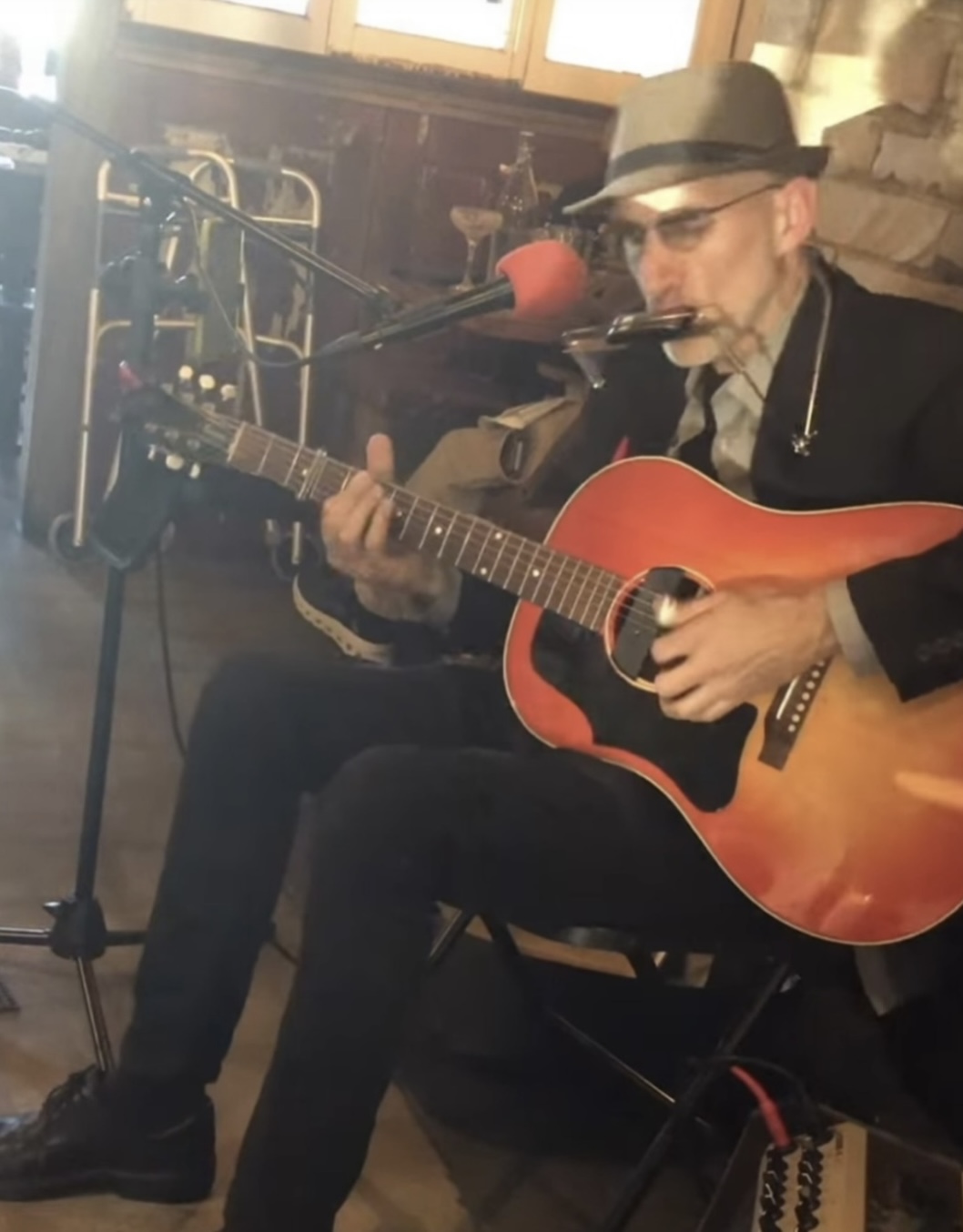
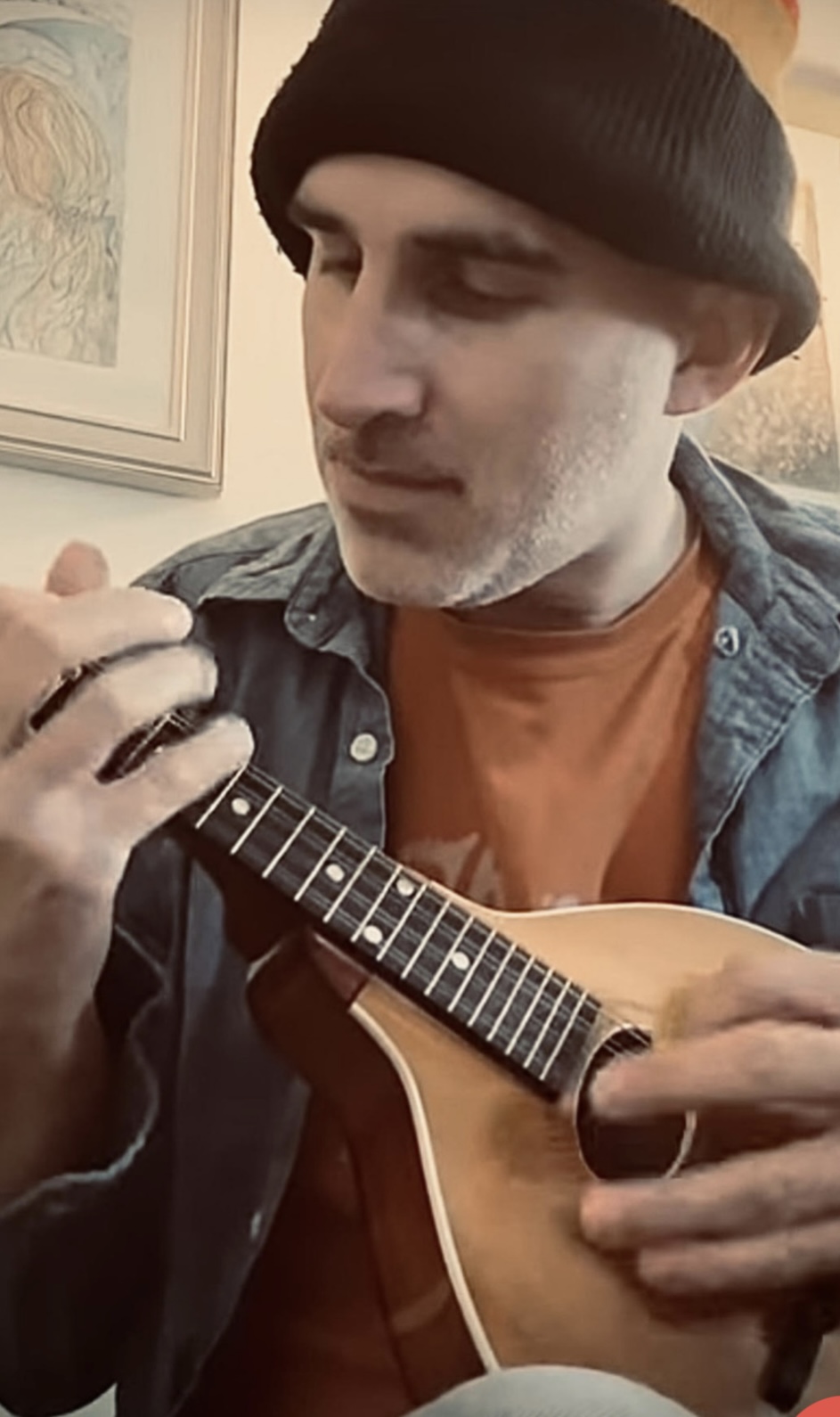
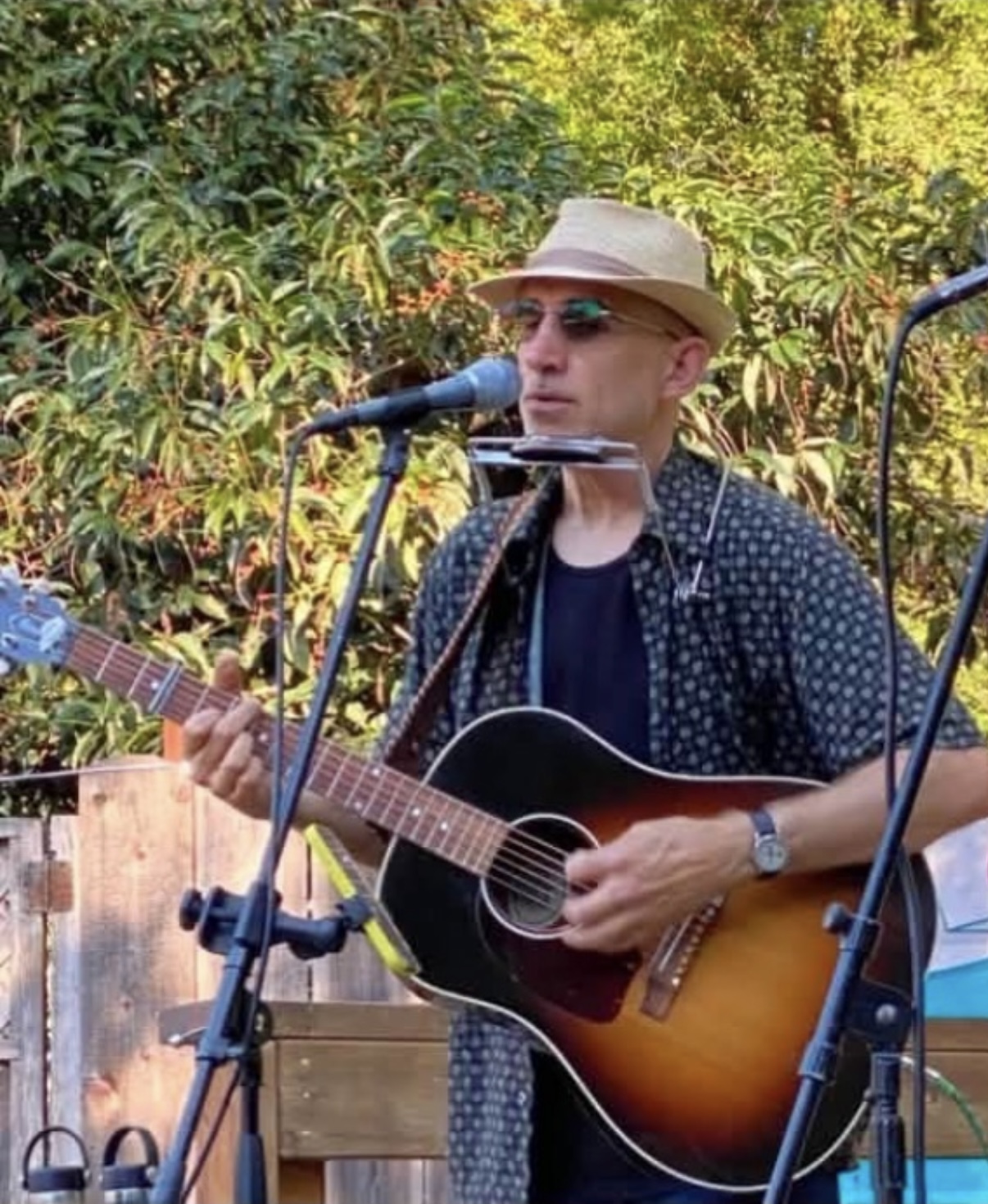
In that time, as always immersed in music, I began delving deeper into the roots of acoustic music. I listened to copious amounts of bluegrass, country blues, reggae, latin and world music. I also began to acquire and learn the instruments featured in the music, and became proficient (as I felt I needed to be for my music) in a number of styles and instruments, listed below:
Slide Blues guitar, Lap slide guitar (many tunings, from ancient Oud, Hawaiin to Bluegrass!), Mandolin (bluegrass and folk), Banjo (two, three finger, clawhammer), Ukulele, Banjo-Ukulele, Autoharp, Electric and Acoustic Guitar (all styles listed above), Bass, Drums, Harmonica.
I realized because I loved playing all these instruments I could also use them to teach and inspire others to play, and also to use them to fill out mine and other people’s recordings. It’s been an amazing journey and while I do know many great musicians, due to my lack of social knowledge and skills, recording songs playing all the instruments myself has been the quickest shot of dopamine, and making a recording sound like it’s a real band vs. a lot of overdubs is no small feat and takes a lot of work, mostly in timing. Every microbeat can affect how a song swings or doesn’t. Every part adds or subtracts from a song. The best producer I’ve ever encountered is time itself, and spending a few days away from a recording and hearing it again with fresh ears and making notes on what a recording in progress needs or doesn’t need helps a lot.
We all face challenges, but looking back would you describe it as a relatively smooth road?
I think a lot of artists now are overwhelmed, because we want to see our work change the world in some significant and visible way, but we are left in the dark. We don’t know how to be seen aside from online platforms of convenience, where everyone else (amateur or professional) is. It’s hard to live this way, but it is one of the challenges of life. The pre-internet music industry was a good example of a competent business model, with many thousands of people employed in many different corners of the recording industry, because we all know how much music matters, and there used to be a lot of resources and infrastructure set up to help a great song become known. Now the whole model has changed and for the worse, in my opinion, where it’s not about the song anymore and it’s more about how many industries you as a musical act will stimulate (fashion, tech, business, etc). I myself have very little in common with the musical artists who become famous today, vs. 30-60 years ago.
In the past there’s been resurgences of interest in certain musicians, (for instance in the early 1960’s many “retired” blues musicians from the 1930’s were “discovered” by a young and predominantly white college audience hungry for authentic folk and blues music and songs). There’s hope for any artist attempting to function today that someday there will be a resurgence and the music they have created will find an audience.
In the meantime, most local musicians I know are playing their music at wineries, cocktail bars, sports bars and are managing to play music, but are daunted by sharing their own songs, the elephant in the room being the most widely promoted songs are what the public wants to hear. Unless you sound exactly like what’s on the radio, you stand on losing ground as soon as you open your mouth and you don’t sound like you are a contestant for “The Voice” or “American Idol” or whatever other big box type popular music has gone viral. In these times it’s harder and harder to feel safe to “be yourself” and express who you are in light of what the public is being conditioned to like, and for the most part it is extremely expensive and difficult to achieve the vocal sound for instance of “Drake” or “The Weeknd”, as they were using state of the art technology on their voices. So while the public devours these recordings, anything else will sound “amateur” or “irritating” in comparison. It’s important as a listener to be aware that all the musicians they are listening to out in the world struggling to be heard regularly listen to themselves. If they are happy enough to listen to themselves and venture out to share what they’ve created with the world, shouldn’t we as listeners make it a point to truly appreciate what they are trying to share and get down to the essence of who they are and their story and why they are there singing for us?
Also, another reality is that musicians have to report to IRS and withhold earnings from these venues like anybody self employed, so while it is great to pay taxes and support the country you reside and work in, it is very important as a listener to leave a tip for the musician. In this article, I have an opportunity to thank everyone who has ever enjoyed my music and tipped me along the way. Most of the time I am well aware that the kindness of strangers is the only reason I’m anywhere.
Appreciate you sharing that. What else should we know about what you do?
Songwriting has always been a really important force in my life. I grew up very isolated, and had very few friends and social life. My early heroes were all songwriters and bohemians, and renegade souls and spirits who didn’t fit in. So I was left to do a lot of contemplating and spent most of my early years writing down everything that came to mind. Once I got up to hundreds of original songs I decided it was time to release them all. Back in the early 2000’s, it was very expensive to record and release a CD.
I made one CD, “Lucky Day”, and the thrill of releasing that and touring behind it was what spearheaded the gathering of all the recordings I had ever done up to that point. Around that time I also broke my wrist, and was unable to play for four months. In that time I spent on the computer taking photos of all my songbooks (around 80) and compiling all my demo and home recordings digitally and chronologically. Most of those recordings were solo acoustic, and about 75% of them I desired a full band recording of the song, so in a finished 8×10 Tuff shed where I rent, I set up drums, and about 10 other instruments I play, and started re-recording all those demos into the albums I have available now.
Once online digital distribution technology began to catch up to where it is now, I set about editing, and releasing every decent song I ever wrote. It took 15 years to do, and resulted in over 130 albums, all available to listen to/download on Bandcamp.com. I very recently “caught up” to recording only the current songs I’m writing, and would be hard pressed to find any songs from the past at this point worth recording!
How do you think about luck?
Luck is subjective. You can see anything as lucky or unlucky. Depends on your journey and where you are at. You can see the benefit or lack of benefit in any situation. Being fortunate is a state of mind. There’s days I feel like it could all end and I’d make something of it for sure.
But to answer your question more directly, Most of what I’ve managed to do can be attributed to luck, but also talent and knowing what to do with a situation. If I came out ahead that means I outsmarted the circumstances. The goal is to come out ahead, no matter the challenge, and to be fast to decide if it’s a winning situation or not. I don’t get in the ring if I can’t visualize myself pulling it off. Everyone is made differently with different conditioning and gifts, work ethic, interests, etc. I wake up today and forgive myself that I’m not who I was even yesterday and ask myself what I can and want to do today, and then thank myself later that I accomplished something. That’s the best I can do. We are all human, thankfully.
Contact Info:
- Website: https://www.danfrechette.com
- Instagram: https://www.instagram.com/dan_frechette_songwriter?stkn=YzhleDdkNDRiZzQ2&utm_source=qr
- Facebook: https://www.facebook.com/ramblingdan.frechette.1?mibextid=wwXIfr
- Youtube: https://youtube.com/@dan_frechette_songwriter?si=o1UpmSdN6Bzi7ez-
- Other: https://officialramblingdanfrechette.bandcamp.com/music