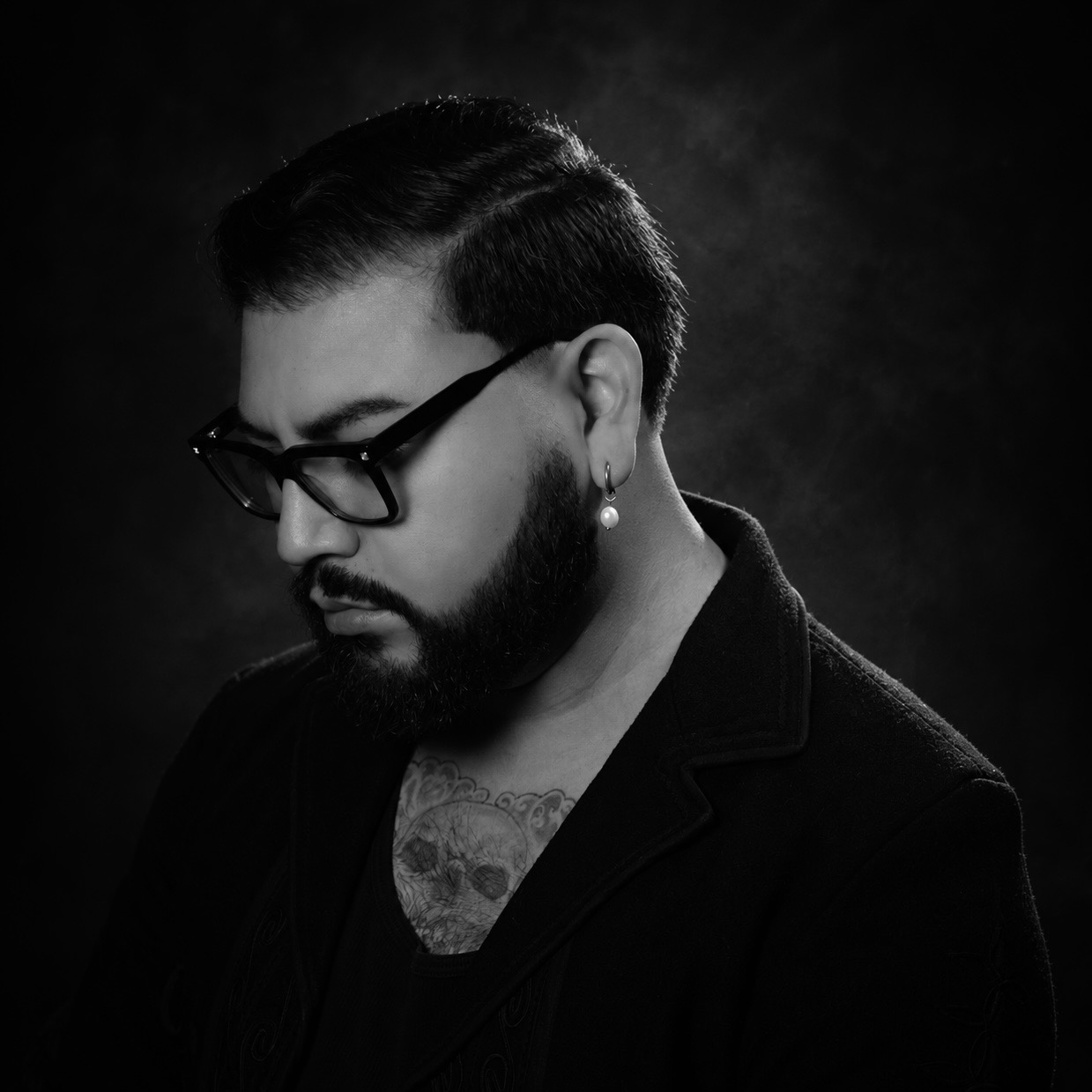




Today we’d like to introduce you to Carlos F. Villagómez.
Hi Carlos F. , please kick things off for us with an introduction to yourself and your story.
I grew up in Greenfield, in South Monterey County, and for as long as I can remember, art has been the place where I could put the parts of myself I did not always know how to explain.
I was a quiet observer. I noticed people, gestures, landscapes, light, and small details. I think before I ever understood what it meant to be an artist, I understood what it meant to look closely. Creating became a way for me to process the world and, eventually, a way to understand myself.
Growing up in a small agricultural community, becoming an artist did not always feel like an obvious or practical path. I did not grow up with a clear blueprint for what an artistic life could look like. A lot of my journey has been figuring that out as I went — sometimes confidently, sometimes with a lot of uncertainty.
I eventually attended the San Francisco Art Institute, where I studied filmmaking and earned my BFA. That experience changed the way I thought about storytelling and image-making, but over time I found myself returning more deeply to drawing, painting, sculpture, photography, and the physical act of making things with my hands. I realized that I did not want to be confined to one medium. Sometimes an idea wants to become a drawing. Sometimes it wants to become an object, a photograph, a painting, or something else entirely.
At the same time, education became a major part of my life. I became an art teacher and teaching artist, working with students of different ages throughout Monterey County. Teaching changed my understanding of art in a profound way. It made me realize that art is not only about making something beautiful or technically successful. It is a language. It teaches us how to notice, how to question, how to communicate, and sometimes how to say something we are not yet able to say out loud.
That became true in my own life as well.
There have been periods when I felt uncertain about who I was, where I was going, and how to hold everything I was experiencing. During those times, art became more than a profession or even a passion. It became something grounding. I could take something internal — grief, attachment, longing, fear, memory, love — and give it a physical form. Once it existed outside of me, I could begin to understand it.
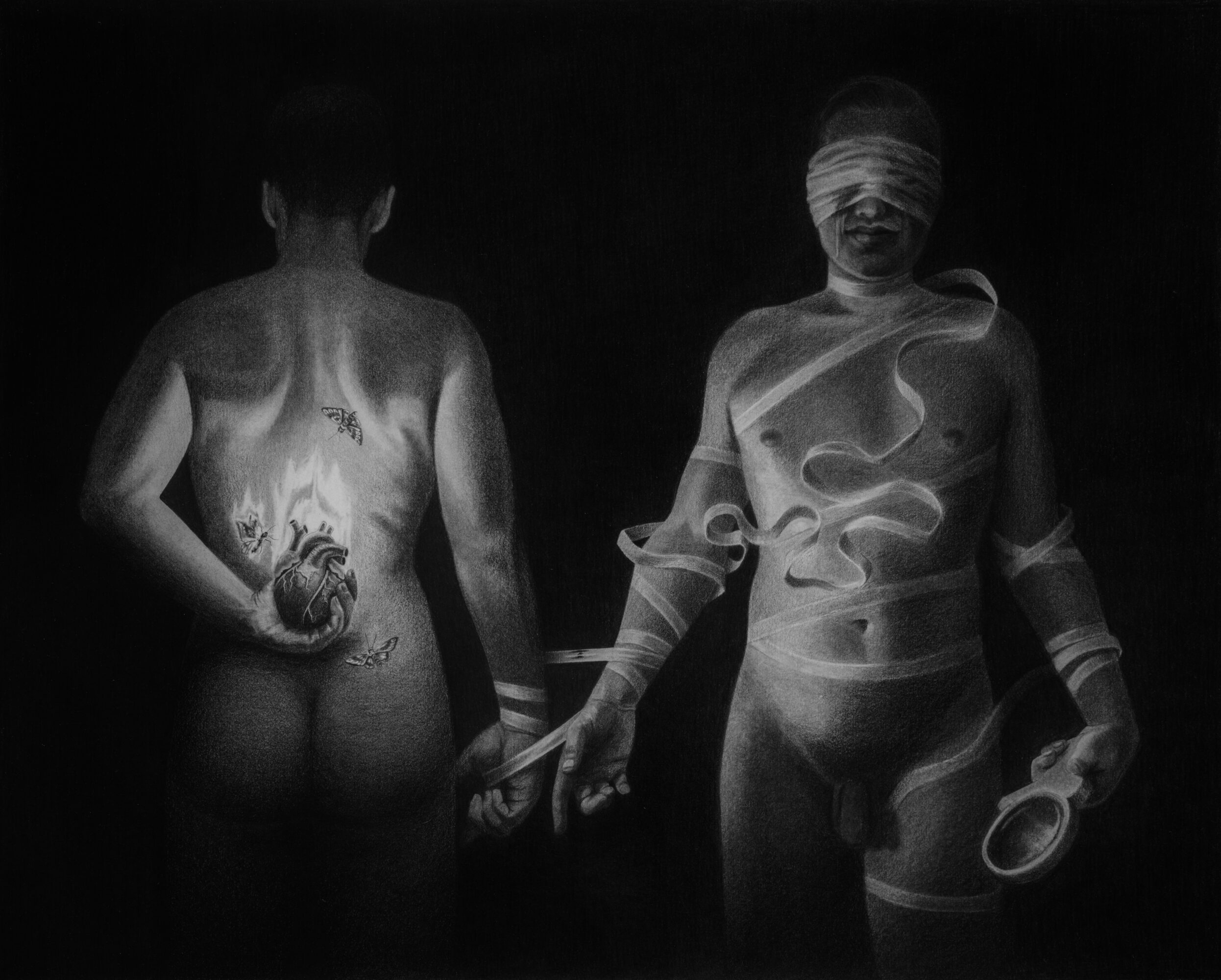
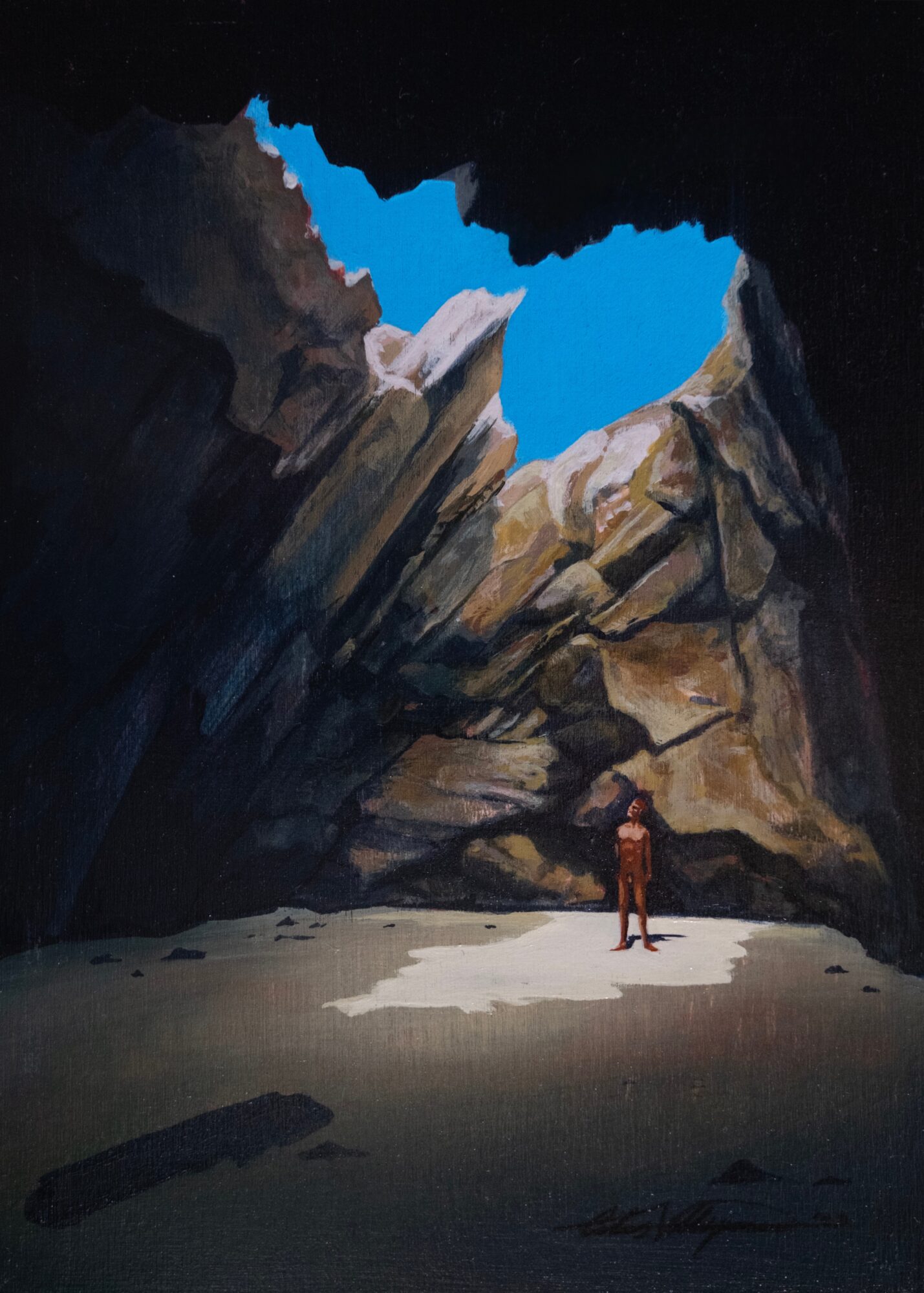
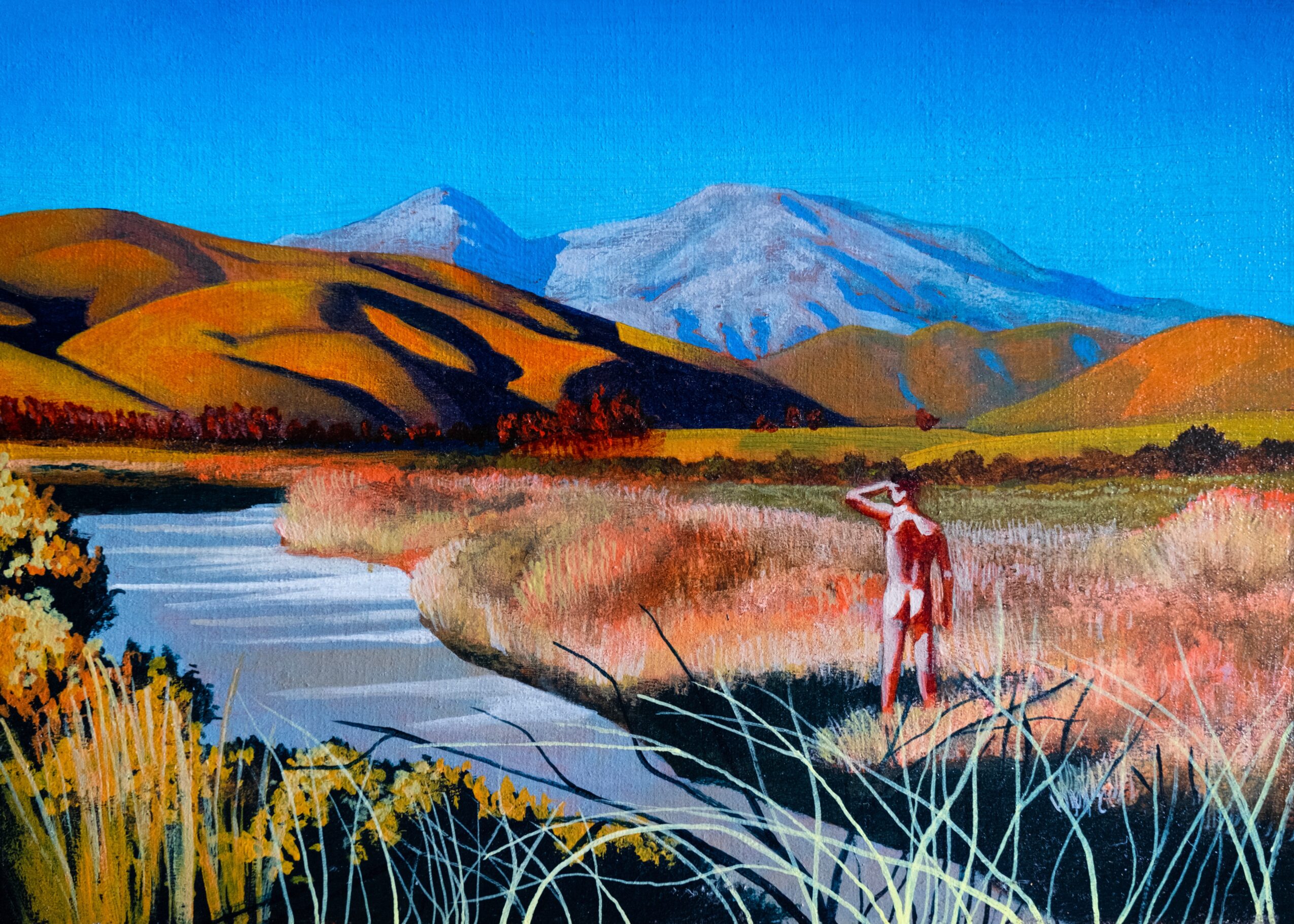
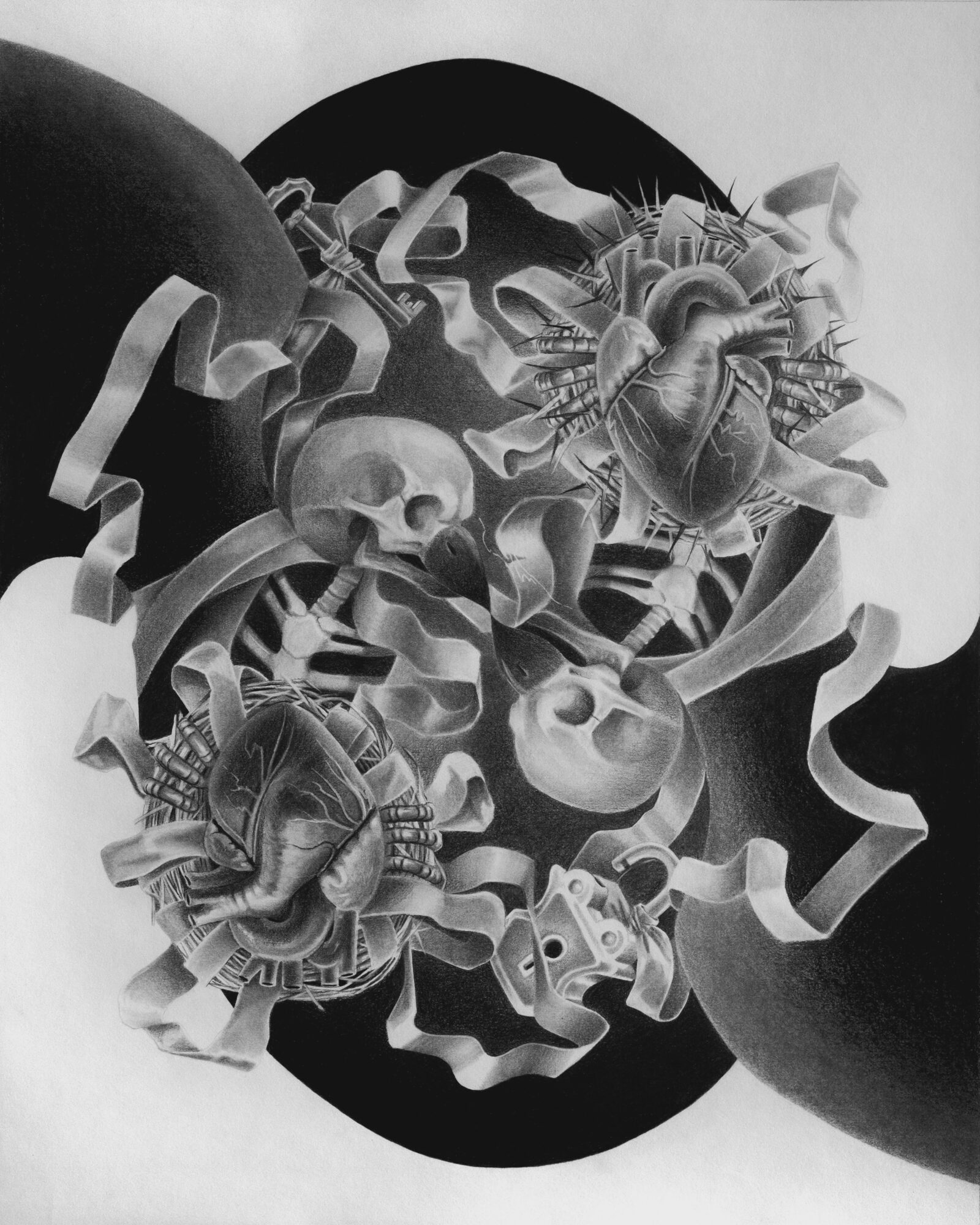
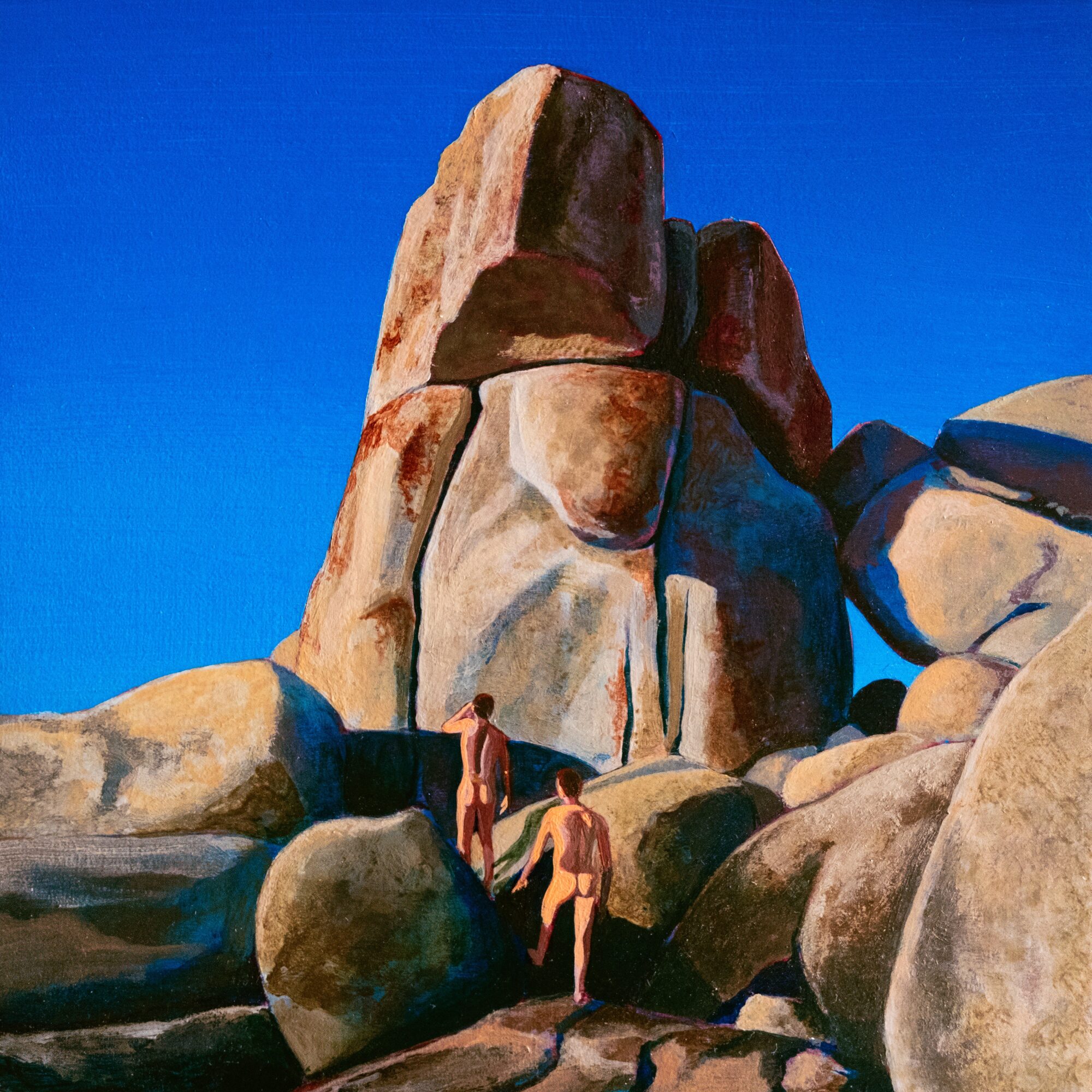
As my work has matured, I have become much less interested in hiding behind beauty or technical skill. I want the work to reveal something. That has required me to become more vulnerable myself. I often return to the human figure, landscape, and the use of symbols to create allegory in my work. These become ways of exploring intimacy, memory, transformation, longing, and the desire to be seen without having to explain everything literally.
In many ways, I think my work today is about visibility. I have spent much of my life learning how to make myself visible through the things I create. When I make work, I am inviting viewers into my inner world — not to understand every part of it exactly as I do, but to find something within it that feels familiar to them.
That is also why teaching and community work remain so important to me. Whether I am working alone in my studio, creating a public mural, or teaching a child, I am interested in the same basic idea: helping people look a little closer — at the world, at art, and maybe at themselves.
I often say that art is not something we make; it is a language we learn to speak. I think my entire journey has been about learning how to speak that language more honestly.
Can you talk to us a bit about the challenges and lessons you’ve learned along the way. Looking back would you say it’s been easy or smooth in retrospect?
It has not been a smooth road.
Growing up in Greenfield, I had very limited access to the kinds of resources that might have helped me develop technically, connect with other artists, or understand what it meant to build a life around art. There was no large artistic community around me and very few examples of what a professional creative path could look like. For a long time, I felt like I was trying to find my way without a map.
One of the first people outside of my family who truly encouraged me was my high school art teacher, Dale Garman. He saw something in my work and encouraged me to pursue art seriously. That mattered tremendously. My parents were also a constant source of support throughout my life. Even when I did not fully understand where art would take me, knowing that they believed in my creativity gave me permission to keep going.
At the same time, I was carrying struggles that I did not yet know how to name. I was diagnosed with ADHD and bipolar disorder as an adult, and looking back, that gave context to so much of what growing up had felt like. There were years when I struggled deeply with focus, emotion, motivation, identity, and feeling as though I was experiencing the world differently from the people around me. Before I had the language for those experiences, I often felt alone in them.
Receiving those diagnoses did not suddenly make everything easy, but they gave me a clearer understanding of myself. For the first time, I had language for experiences that had previously felt confusing or impossible to explain. That changed my relationship with my work. I began to understand that many of the emotions, contradictions, and internal experiences I had carried for years could become material for art rather than something I needed to hide.
In that sense, some of the things that have challenged me most have also fueled my creative practice. Art became a place where I could make sense of my inner life and connect with other people through experiences that are often difficult to put into words.
I still struggle. I do not think becoming an artist means reaching a point where uncertainty disappears. I consider myself an emerging artist because only recently have I made the decision to dedicate myself more fully to my studio practice and to seriously build a life around my work. That decision comes with real risk. There is financial uncertainty, self-doubt, and the constant question of whether you can sustain the life you are trying to create.
But my years working in education, building relationships within my community, and slowly developing my body of work have all brought me to this point. What once felt like a collection of separate experiences now feels connected. The teaching, the difficult years, the uncertainty, the personal growth, and the art have all shaped the way I see and the way I create.
I do not think I arrived here despite those experiences. I think, in many ways, I arrived here through them.
Appreciate you sharing that. What else should we know about what you do?
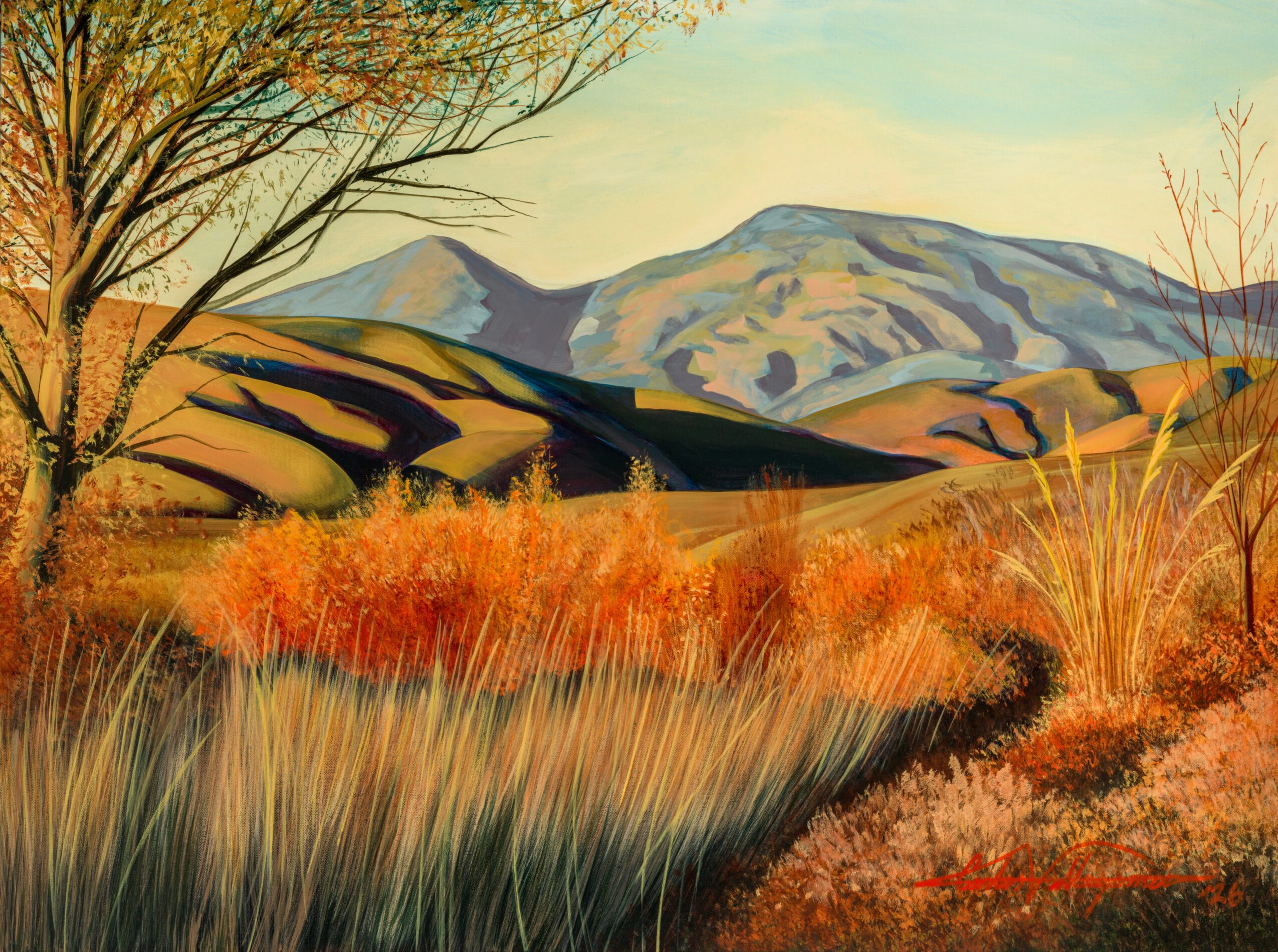
My work is multidisciplinary, but drawing, painting, sculpture, photography, and public art have become the main ways I communicate. I am especially drawn to the human figure, landscape, and the use of symbols and allegory to explore memory, attachment, identity, vulnerability, and transformation.
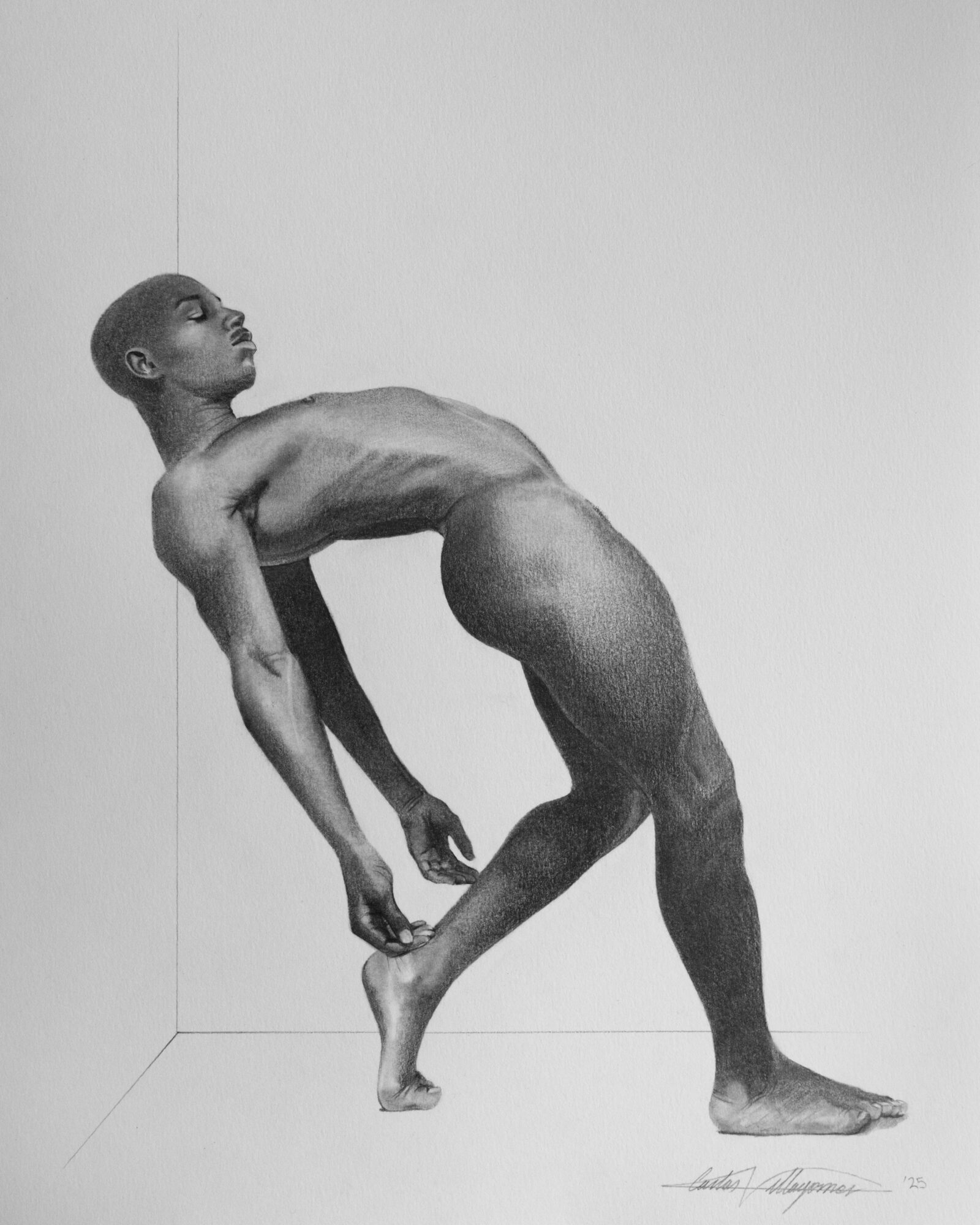
Even though I work across different mediums, I do not really see them as separate practices. They are different languages within the same conversation. Sometimes an idea needs the intimacy and precision of graphite. Sometimes it needs the physical presence of sculpture. Sometimes painting gives me the atmosphere, color, or emotional space that the idea requires. I try to let the concept guide the medium rather than forcing every idea into the same form.
I think what people often recognize in my work is a sense of stillness and emotional tension. I am interested in moments that feel suspended — when something is about to happen, has just happened, or may never happen at all. I want the viewer to feel that there is more beneath the surface than what is immediately visible.
A lot of my figurative work is rooted in vulnerability. I use the body not simply as a subject, but as a way to talk about the emotional and psychological experience of being human. My landscapes function similarly. They are not always about documenting a specific place as much as they are about memory, belonging, awe, and our relationship to the world around us. Symbolism allows me to create another layer of meaning, so that the work can remain personal while still leaving room for viewers to bring their own experiences into it.
What I am most proud of is how much more honest my work has become. For a long time, I think I was concerned with whether something was technically successful or visually beautiful. Those things still matter to me, but now I am much more interested in whether the work feels true. I have learned to trust that vulnerability can carry as much weight as technical skill.
I am also proud that my artistic practice does not exist only within the walls of my studio. Teaching and community work are deeply connected to who I am as an artist. I have spent years working with young people and communities throughout Monterey County, and those experiences continually remind me that creativity should be accessible. I want people to understand that art is not reserved for those who already believe they are artists. It is a way of seeing, thinking, and communicating.
I think what sets me apart is that I am constantly moving between those roles — artist, educator, observer, and storyteller. My studio practice feeds my teaching, and teaching makes me question my own practice more deeply. Both are ultimately concerned with the same thing: learning how to see.
When I make work, I am inviting viewers into my inner world, but I do not want them to simply observe my story from the outside. I hope the work becomes a mirror of some kind, where something deeply personal to me can awaken a memory, emotion, or question within someone else.
That connection is probably what I am most interested in creating.
What was your favorite childhood memory?
I do not think I have one single favorite childhood memory. What stays with me most are the moments when the adults around me made space for my creativity.
My father is a teacher, and growing up, he and several of my own teachers encouraged me to experiment with materials, follow unusual ideas, and take my creative interests seriously. They were not necessarily trained artists, and they could not always teach me the technical fundamentals I would later learn, but they gave me something just as important at that age: permission to explore.
I remember being given art supplies, being encouraged to make things, and having my ideas treated as something worth paying attention to. Those gestures may have seemed small at the time, but they stayed with me.
Looking back, I think those early moments taught me that creativity did not have to be fully understood in order to be supported. Someone simply had to notice it, nurture it, and give it room to grow.
I am incredibly grateful for that. Long before I had the language to call myself an artist, there were people in my life quietly telling me that this part of me was worth protecting.
Contact Info:
- Instagram: https://www.instagram.com/cfvarts?stkn=NTc4MTIwNjQ2YQ%3D%3D&utm_source=qr
- Other: carlosfvillagomez.art@gmail.com