





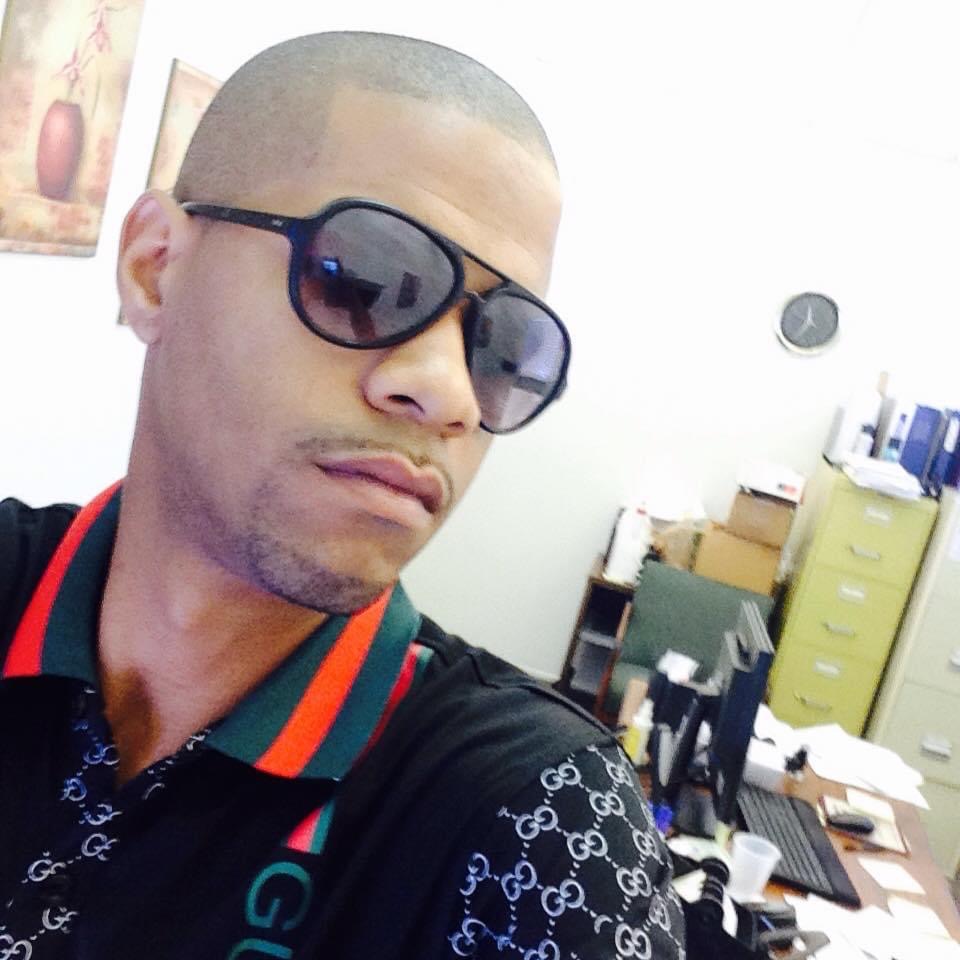
Today we’d like to introduce you to Ramon Pasos.
Hi Ramon , so excited to have you on the platform. So before we get into questions about your work-life, maybe you can bring our readers up to speed on your story and how you got to where you are today?
I’ve always been the type of person who sees a problem and immediately starts thinking about how it could be solved. DESI started with a pretty simple observation: when someone has been drinking, rideshare can get the person home, but their car is still sitting at the bar, restaurant, event or wherever they left it. That creates another problem for the next morning, and sometimes people make a bad decision simply because they don’t want to leave their vehicle behind.
The idea behind DESI was to solve both problems at once. Instead of sending a car to pick you up, DESI sends a vetted driver who drives you home in your own vehicle, while a second recovery driver follows and brings the DESI driver back. You get home safely, and your car gets home with you.
From there, the idea turned into a real company. I’ve spent a lot of time working through the details that people don’t always see when they look at an app — the driver workflow, insurance, safety, payments, legal and regulatory issues, and how the service actually operates in the real world. We’ve gone through multiple versions of the product, tested the workflow, and continued refining it based on what we learned.
Today, the DESI app is built and in TestFlight, we’re actively working through insurance underwriting and the remaining legal and operational pieces, and we’re preparing for our initial Southern California launch. It’s been a long road from saying, “Somebody should build this,” to actually building it, but seeing it become something real has probably been the most rewarding part of the journey so far.
Alright, so let’s dig a little deeper into the story – has it been an easy path overall and if not, what were the challenges you’ve had to overcome?
Definitely not a smooth road. One of the biggest challenges has been that DESI doesn’t fit neatly into an existing transportation category. We aren’t a traditional rideshare company because the customer’s own vehicle is being driven, and that affects everything from insurance to legal structure to how you explain the business to partners and investors.
Insurance has probably been one of the hardest pieces. When you’re creating something that doesn’t look exactly like Uber, a taxi company, or a standard delivery service, underwriters have a lot of questions. We’ve had to work through the details of the driver model, passenger exposure, safety procedures, background checks, and how the recovery-driver system works. It takes time, patience, and a lot of documentation.
There have also been the normal startup challenges — rebuilding parts of the product when something didn’t work the way we expected, testing workflows over and over, dealing with technology issues, and trying to make sure the customer experience stays simple even though there is a lot happening behind the scenes.
Probably the biggest lesson has been learning not to rush just because you want to launch. There have been moments when we could have pushed forward faster, but with a service involving people, their vehicles, and their safety, getting the foundation right matters more than simply being first.
There have definitely been frustrating days, but each problem we solve makes DESI a stronger company. I think that’s just part of building something that hasn’t really been done this way before.
Thanks for sharing that. So, maybe next you can tell us a bit more about your business?
DESI Drivers is a designated-driver service built around a simple idea: when someone shouldn’t be driving, getting them home safely shouldn’t mean leaving their car behind.
With DESI, a vetted driver comes to the customer’s location and drives them home in their own vehicle. A second recovery driver follows and brings the DESI driver back once the trip is complete. The customer gets home safely, their vehicle gets home with them, and they don’t have to figure out how to retrieve it the next day.
What sets DESI apart is that we aren’t trying to be another rideshare company. We’re solving a different problem. Traditional rideshare replaces your vehicle for the trip; DESI helps you use the vehicle you already have while removing the part that creates the risk — driving when you shouldn’t.
A lot of work has gone into making the service more than just a good idea. We’ve focused heavily on driver screening, safety procedures, insurance, technology, payments, and the logistics required to make the two-driver model work smoothly behind the scenes while keeping the experience simple for the customer.
What I’m most proud of is that the brand has stayed centered around its original purpose: safety without judgment. We want DESI to be the easy decision someone makes before a bad decision ever happens.
The app is built and currently in testing, and we’re preparing for our initial launch in Southern California. My goal is for DESI to eventually become something people automatically think of when they need to get themselves — and their car — home safely.
Can you talk to us about how you think about risk?
I think there’s a big difference between taking a risk and being reckless. I’m willing to take risks, but I like to understand what I’m risking, why I’m doing it, and what the downside looks like before I jump.
Building DESI has probably been one of the biggest risks I’ve taken professionally. It meant putting a lot of time, money and energy into something that didn’t come with a roadmap. There wasn’t an existing company I could simply copy because the model is different, so a lot of the process has been learning as we go — from insurance and legal questions to technology, operations and figuring out what the customer experience should look like.
There are definitely moments when you question yourself, especially when you’re spending money before you’re making money or when one problem gets solved and two more show up behind it. But I’ve learned that if you wait until every risk disappears, you’ll probably never build anything new.
My approach is to try to reduce the risks I can control. We test the product, ask questions, bring in professionals where we need them, work through insurance and legal issues, and make adjustments instead of pretending we have all the answers.
For me, risk is really about believing enough in an idea to move forward while still respecting everything that could go wrong. I don’t think successful entrepreneurs avoid risk. I think they learn how to manage it.
Contact Info:
- Website: https://desidrivers.com
- LinkedIn: https://www.linkedin.com/in/ray-pasos-880678406/