




Today we’d like to introduce you to Ashlie Kègo.
Hi Ashlie, so excited to have you with us today. What can you tell us about your story?
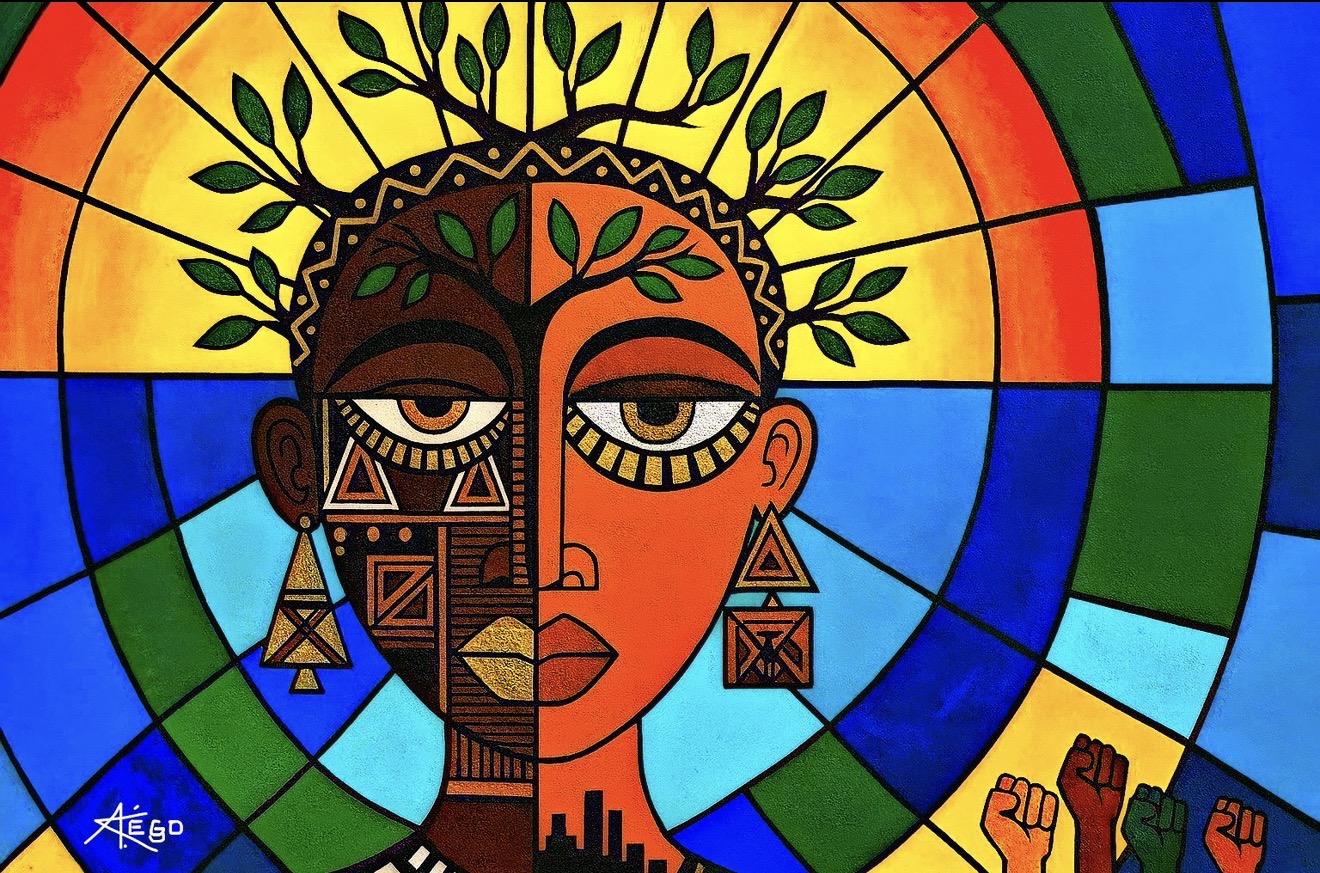
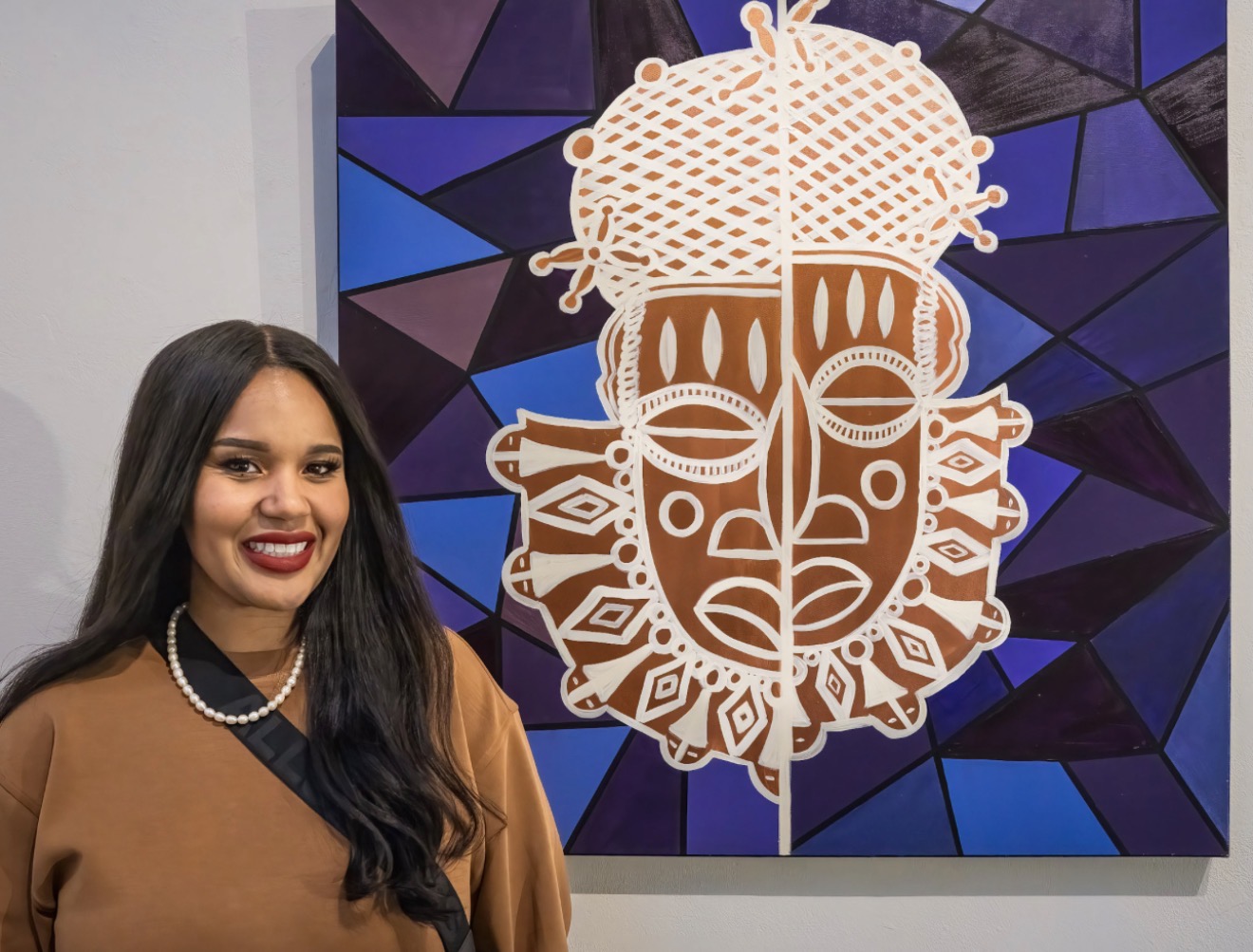
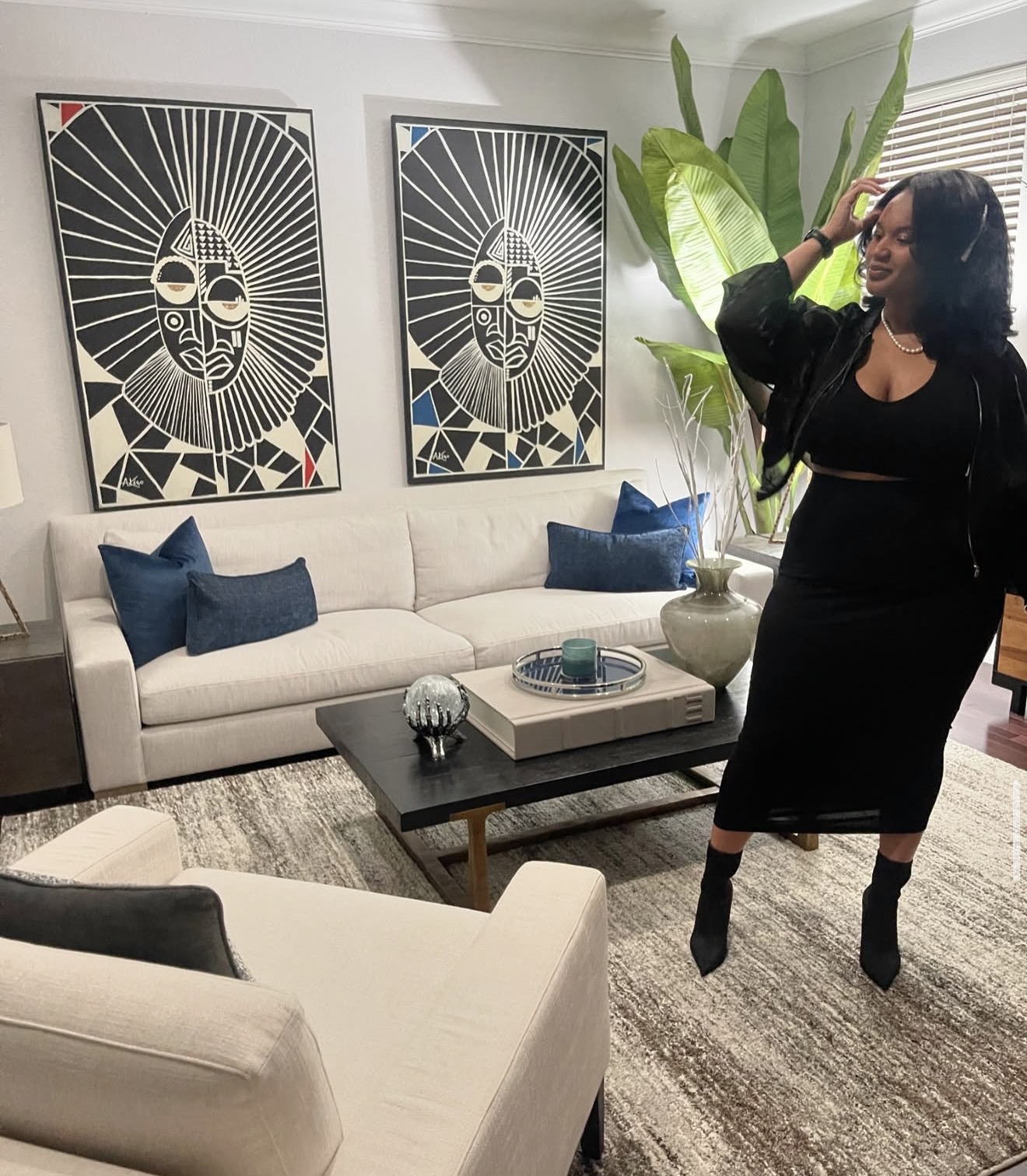
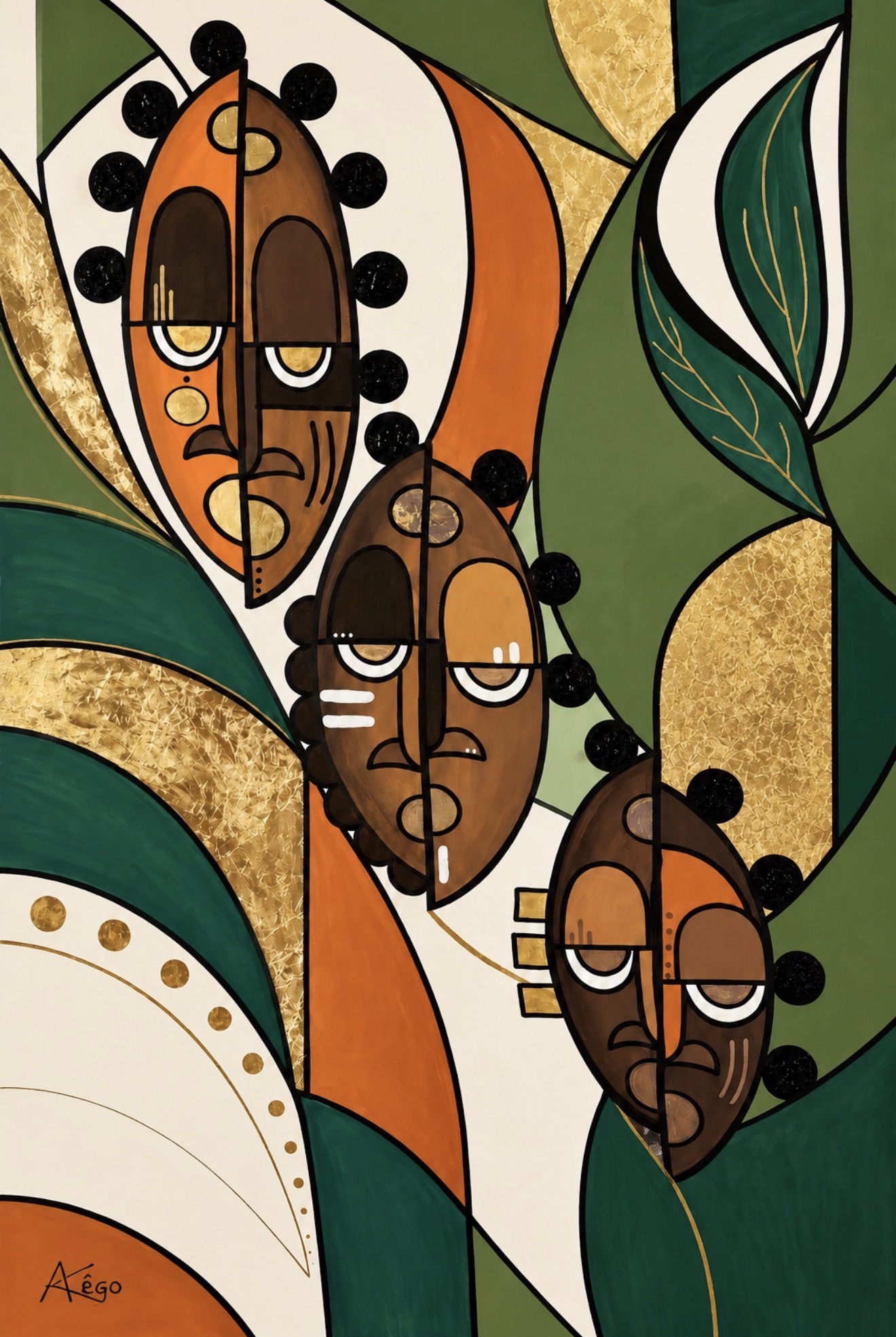
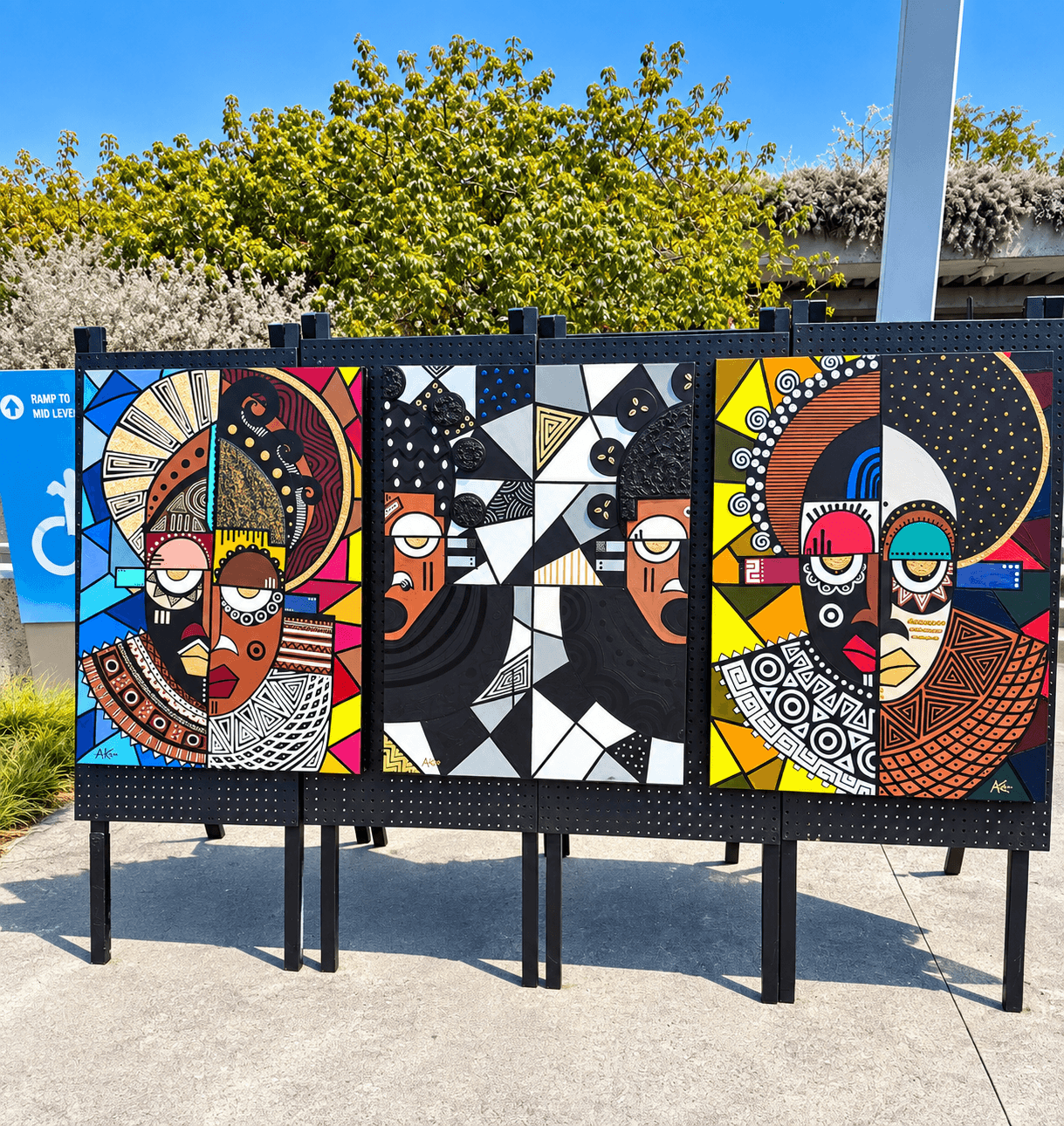
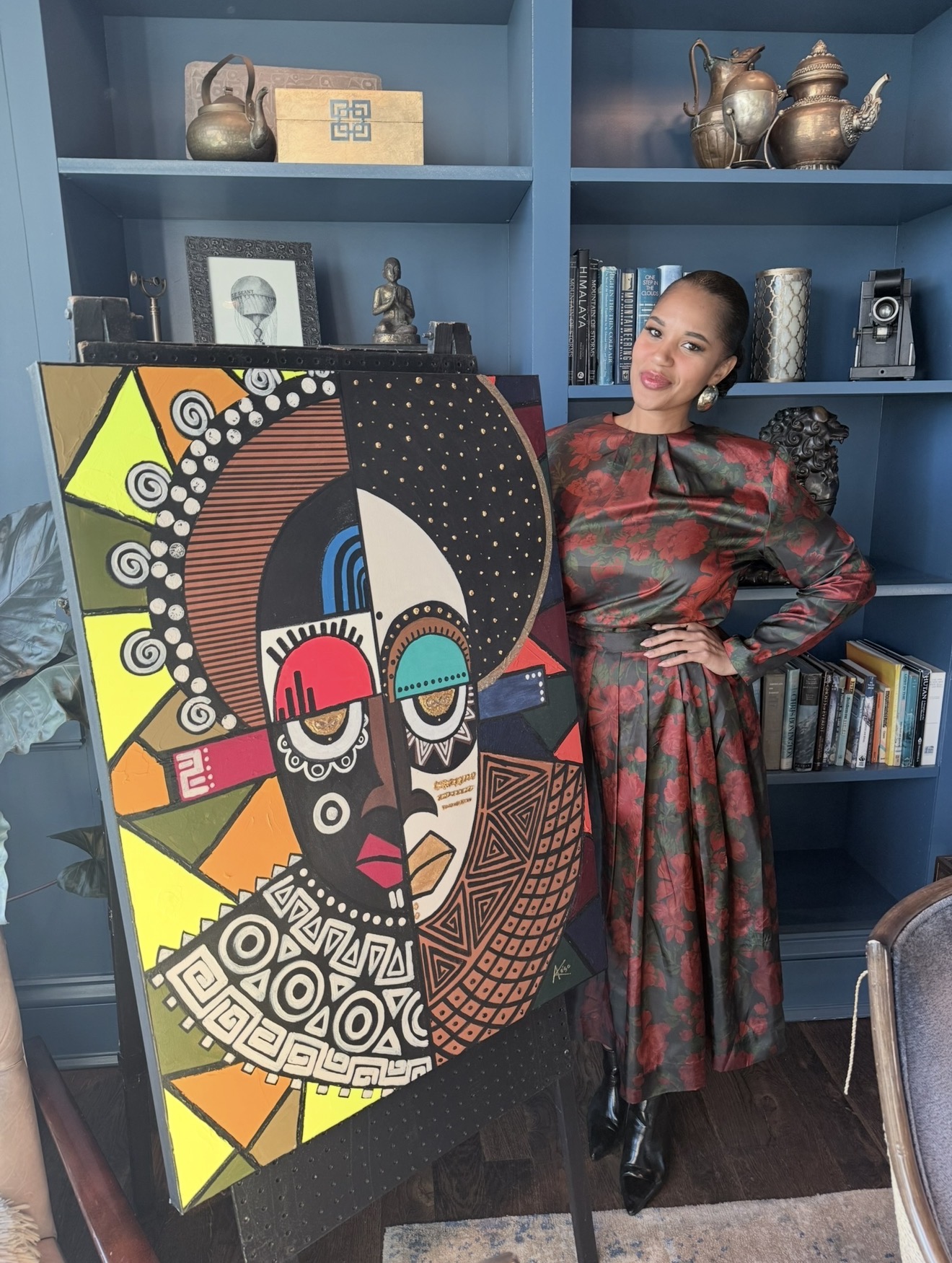
My journey as an artist began somewhat unexpectedly. I’ve always been creative. I grew up singing, playing instruments, finding different ways to express myself, but visual art eventually became the medium through which I found my strongest voice. What began as creating and experimenting developed into a distinctive style I call Afro-Cubism, which combines elements of Cubism with African masks, layered faces, bold color, traditional markings, and symbolism connected to identity, ancestry, and culture.
I’m a Nigerian-American woman with Igbo roots, and much of my work is influenced by the beauty, complexity, and stories within the African diaspora. My work is also deeply personal because two of my sisters live with sickle cell disease. As my career grew, I knew I wanted my art to have a purpose beyond myself, so advocacy became an important part of my practice. A portion of my art proceeds supports Sickle Cell 101, an organization dedicated to education and awareness.
I founded Ashlie Kègo Art LLC in 2020, and since then my career has grown in ways I never could have predicted. My work has been exhibited and featured through institutions, organizations, and events including the de Young Museum, Oakland Museum of California, Macy’s Union Square, West Elm, the BET Awards, Richmond Art Center, and numerous galleries and cultural events. I’ve also had the opportunity to use live painting, speaking engagements, and community events to connect art with storytelling and advocacy.
One of the most meaningful parts of my journey is that I’ve built my art career while also being a mother and an educator. I’ve spent many years teaching young children, and I believe that part of me influences the way I approach creativity, curiosity, and community. I never felt that I had to choose only one identity. I could be an artist, educator, mother, musician, and advocate, and allow all of those experiences to inform my work.
Today, I’m continuing to grow internationally while staying rooted in the purpose that brought me here. I want my work to celebrate African identity and heritage, create conversations, bring greater visibility to sickle cell disease, and leave something meaningful behind. For me, becoming an artist wasn’t about following a perfectly mapped-out path. It was about allowing all the different parts of who I am to finally come together.
Can you talk to us a bit about the challenges and lessons you’ve learned along the way. Looking back would you say it’s been easy or smooth in retrospect?
It definitely hasn’t been a completely smooth road. One of my biggest challenges has been building an art career while also working full-time as an educator and raising my son. There have been many seasons when I’ve had to create late at night, work around my teaching schedule, and fund opportunities myself while still taking care of everyday responsibilities. I didn’t have the luxury of putting everything else on hold to pursue art, so I learned how to build my career alongside the life I already had.
Another challenge has been learning to navigate the art world without a traditional visual arts background or a clear roadmap. I’ve had to learn the business side of being an artist, pricing my work, advocating for its value, recognizing which opportunities are truly beneficial, networking, and becoming comfortable walking into spaces where I may not initially see many people who look like me.
There have also been moments of rejection, missed opportunities, and times when I questioned whether I was moving fast enough. But those experiences taught me not to measure my journey against someone else’s timeline. Some of my most meaningful opportunities have come unexpectedly, simply because I continued creating, showing up, and putting my work into the world.
I think the challenges have ultimately made me more intentional. I’ve learned that success isn’t only about being talented; it requires resilience, consistency, discernment, and believing in the value of your own voice before everyone else recognizes it. I’m still growing and learning, but I’m proud that I’ve built my career without losing sight of why I create in the first place.
Thanks – so what else should our readers know about your work and what you’re currently focused on?
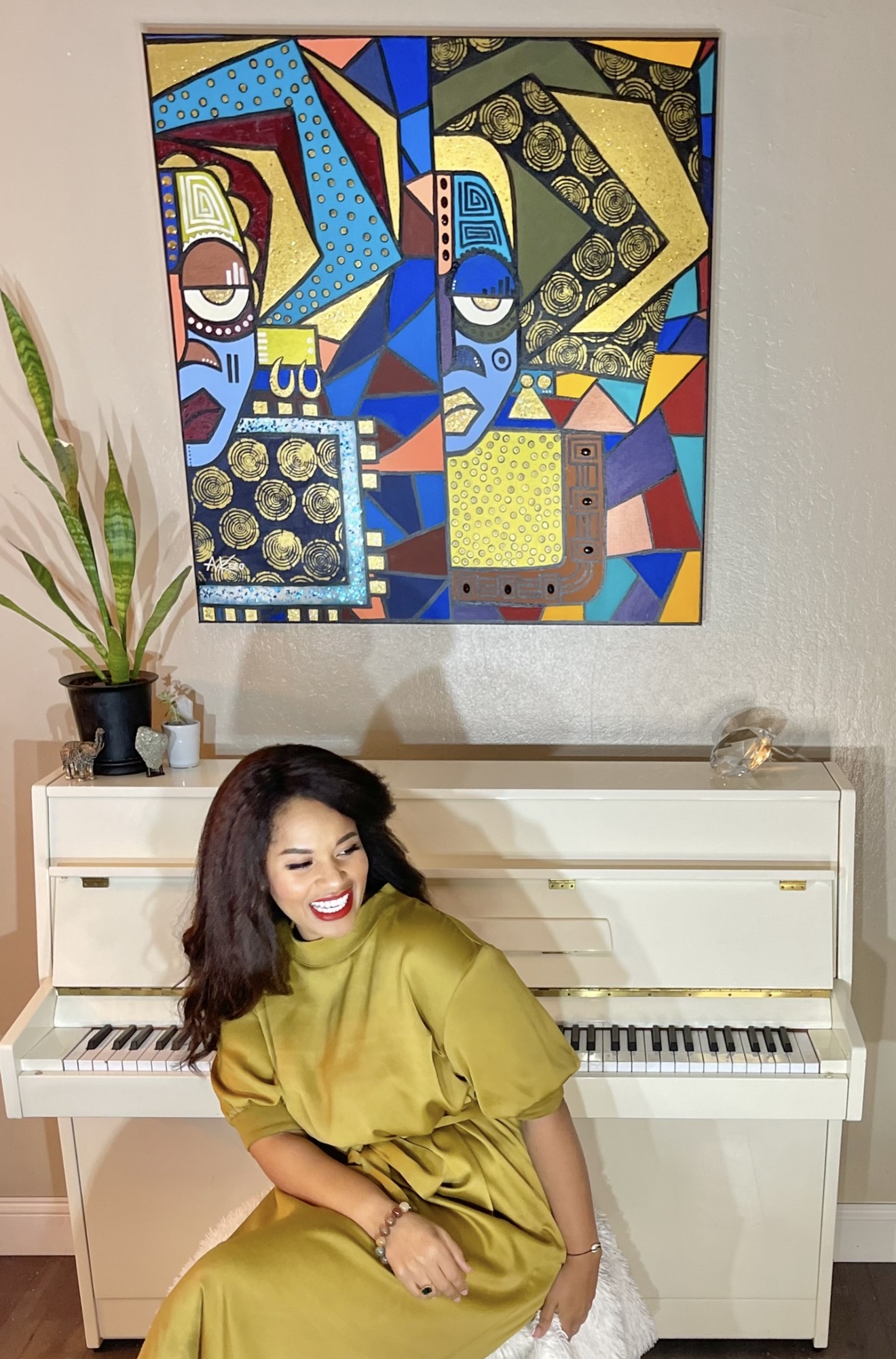
What I’m most proud of is that my work has developed such a recognizable visual identity. I want someone to be able to see one of my paintings from across a room and know that it is an Ashlie Kègo piece before they ever see my name.
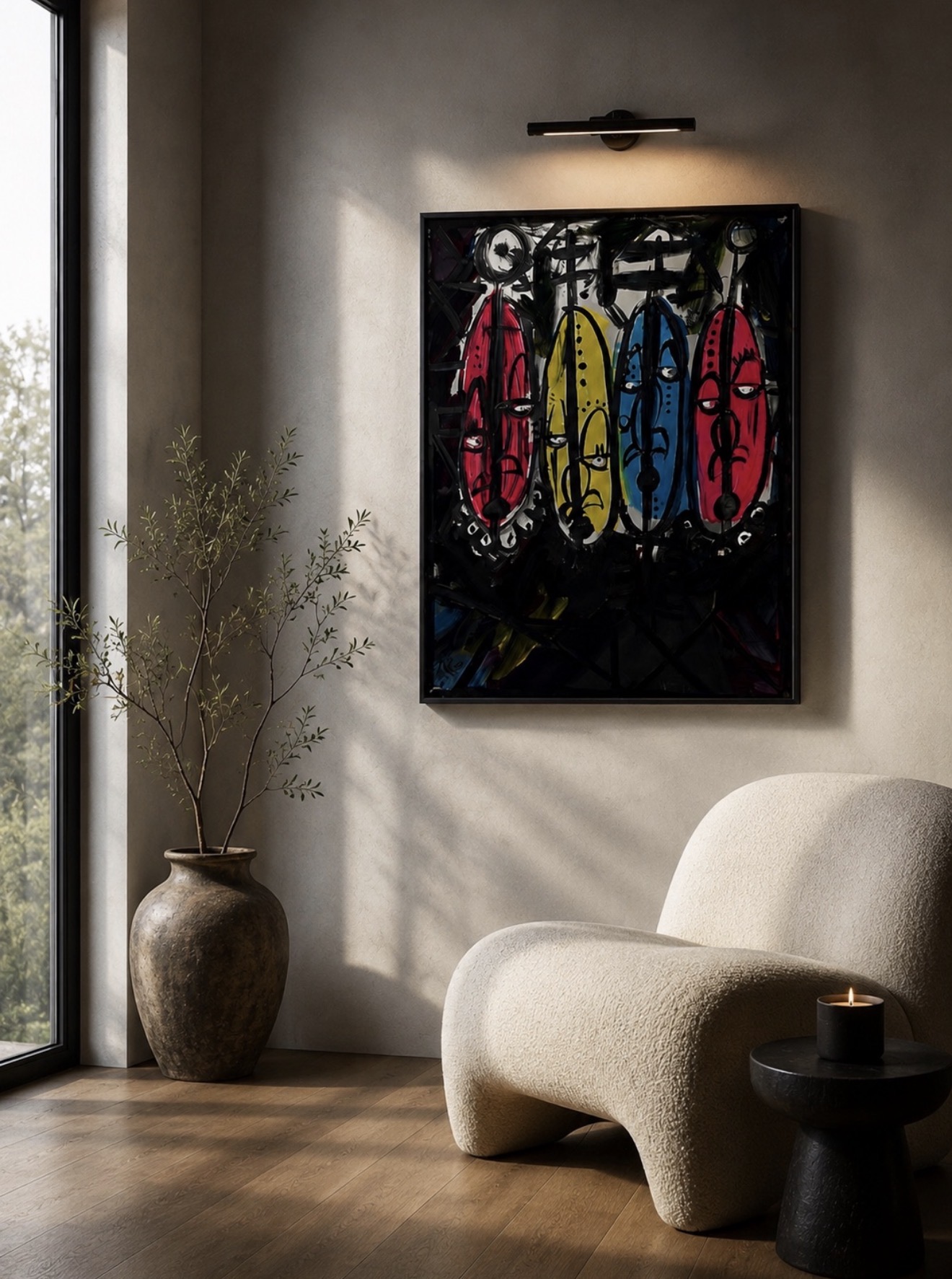
I specialize in large, bold figurative works that use repetition, geometry, texture, metallic elements, and highly stylized faces. I’m especially interested in how several figures can exist within one composition while still feeling connected. There is often a sense of family, lineage, protection, intimacy, or community within the way the figures interact.
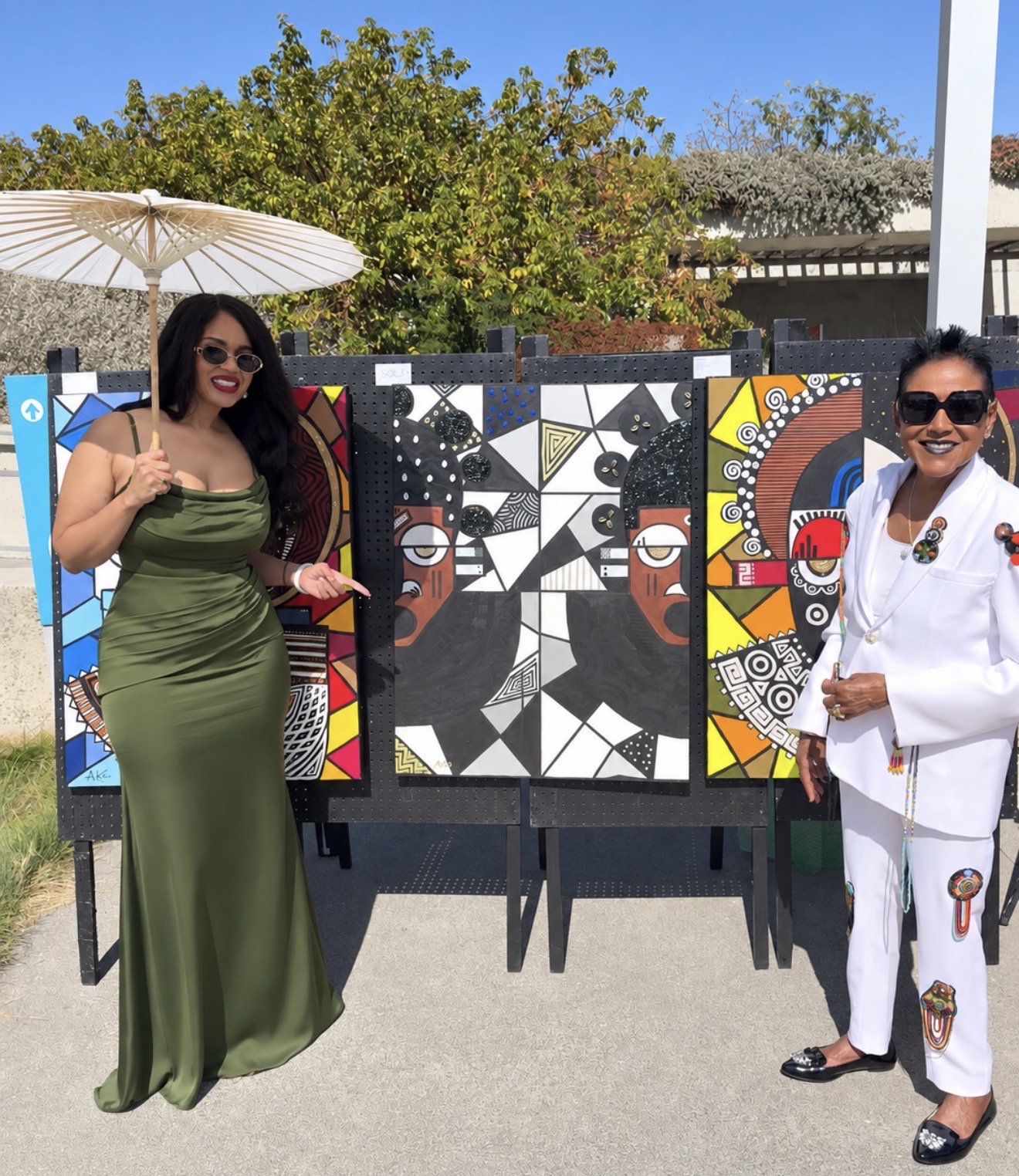
I also love creating work in real time. Live painting has become an important part of my practice because people get to experience the transformation from a blank canvas into a finished piece. It creates a completely different relationship between the artist, the artwork, and the audience.
I’m proud that I have remained willing to experiment as my career has grown. My work today is more refined, dimensional, and intentional than when I began, but it is still unmistakably mine. I’m not interested in chasing whatever is currently popular in the art world. I’m interested in continuing to develop a visual language that can evolve with me and ultimately become part of my legacy.
Do you have any advice for those looking to network or find a mentor?
My biggest advice is to approach mentorship and networking by building genuine relationships rather than immediately asking someone what they can do for you. Some of the most valuable relationships in my career developed organically because I showed up, stayed curious, asked questions, and genuinely connected with people.
I’ve been fortunate to have mentors who have exposed me to parts of the art world I may not have experienced otherwise. A great mentor doesn’t necessarily open every door for you, they can introduce you to new environments, teach you how the industry works, challenge the way you think, and help you recognize opportunities you might have overlooked.
Networking has worked similarly for me. I make an effort to attend exhibitions, museum events, galas, art fairs, artist talks, and cultural events, even when I don’t know exactly who I’ll meet. I’ve learned that simply being present matters. Some of my strongest connections have come from conversations I never planned to have.
I also believe in following up. Meeting someone once is an introduction; building a relationship takes time. Stay in touch, support other people’s work, celebrate their accomplishments, and be someone who contributes to the relationship as well.
Most importantly, don’t network with desperation. Go into rooms knowing who you are and what you bring to the table. Be open, be gracious, and be curious. The goal isn’t to collect contacts, it’s to build authentic relationships with people who can grow alongside you, teach you, and sometimes even change the way you see what is possible for yourself.
Contact Info:
- Website: https://Ashliekegoart.com
- Instagram: Akegoart
- Facebook: Ashlie Kègo
- LinkedIn: Ashlie Kego