




Today we’d like to introduce you to Grijda Spiri.
Hi Grijda, so excited to have you on the platform. So before we get into questions about your work-life, maybe you can bring our readers up to speed on your story and how you got to where you are today?
My journey is one that crosses borders and musical traditions. I was born in Gjirokastër, Albania, and later moved to Ioannina, Greece. My formal musical foundation truly took shape during my undergraduate years in Corfu, Greece, where I earned a double major in violin and piano, as well as a diploma in Byzantine music. This early immersion in both rigorous classical training and regional traditions sparked a curiosity about music that went beyond just playing notes on a page.
The next chapter brought me to the United States. I moved to North Carolina to pursue my Master’s degree in violin performance. During that time, I immersed myself in the local arts community, building my own private violin and piano studio and performing regularly with the North Carolina Ballet and various regional orchestras. It was a beautiful period of performing and teaching, but I knew I wanted to dive deeper into the cultural and historical roots of the music of my homeland.
That desire led me to California. I joined the University of California, Santa Cruz for my PhD, where my doctoral research focused on the powerful, emotive tradition of laments in Albania. This allowed me to bridge my background as a classical performer with the analytical lens of an ethnomusicologist.
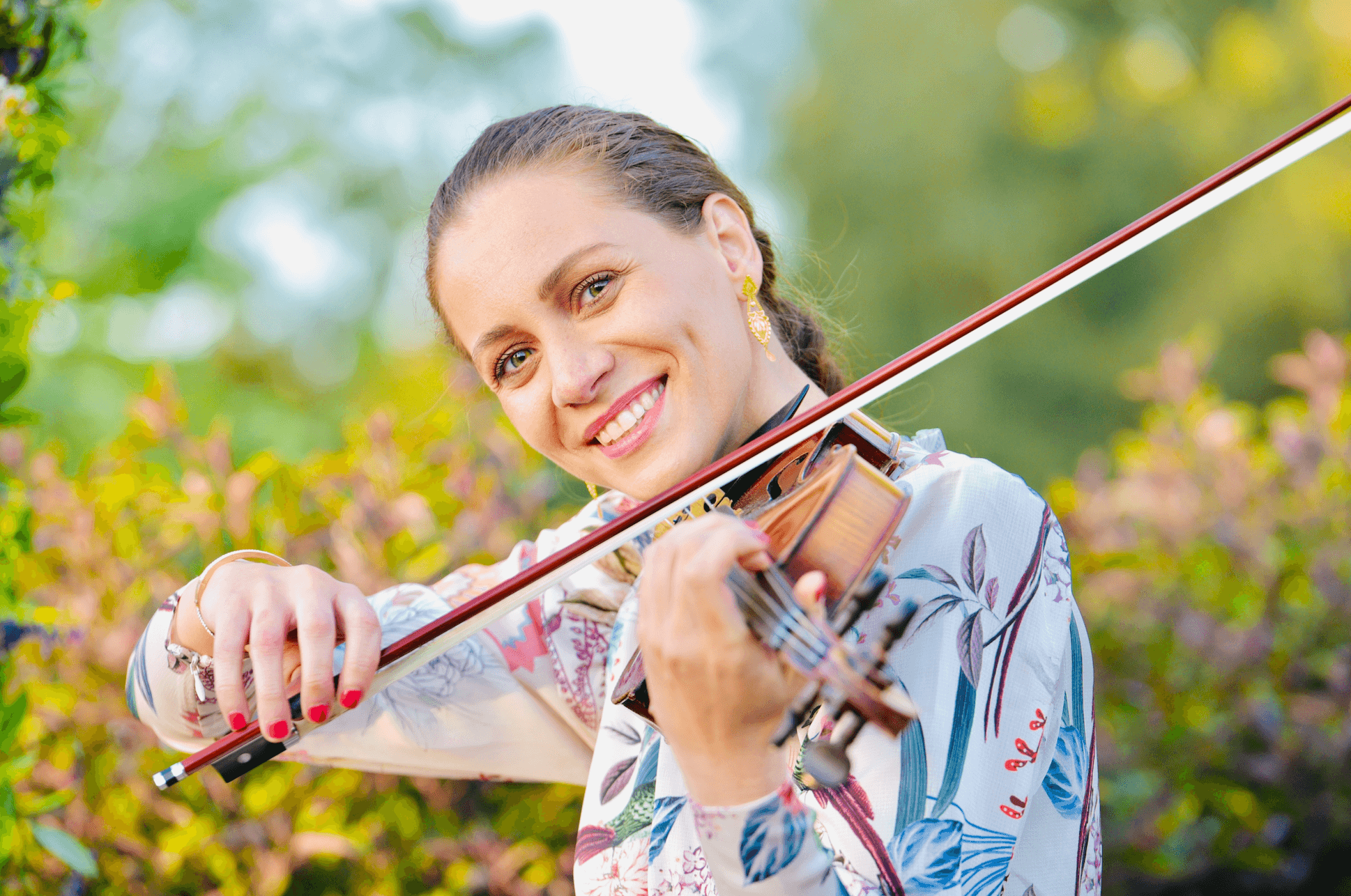
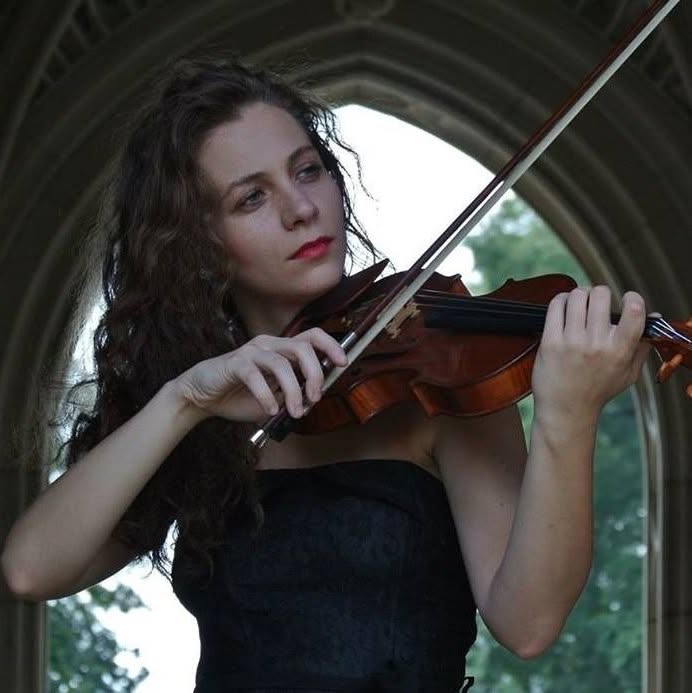
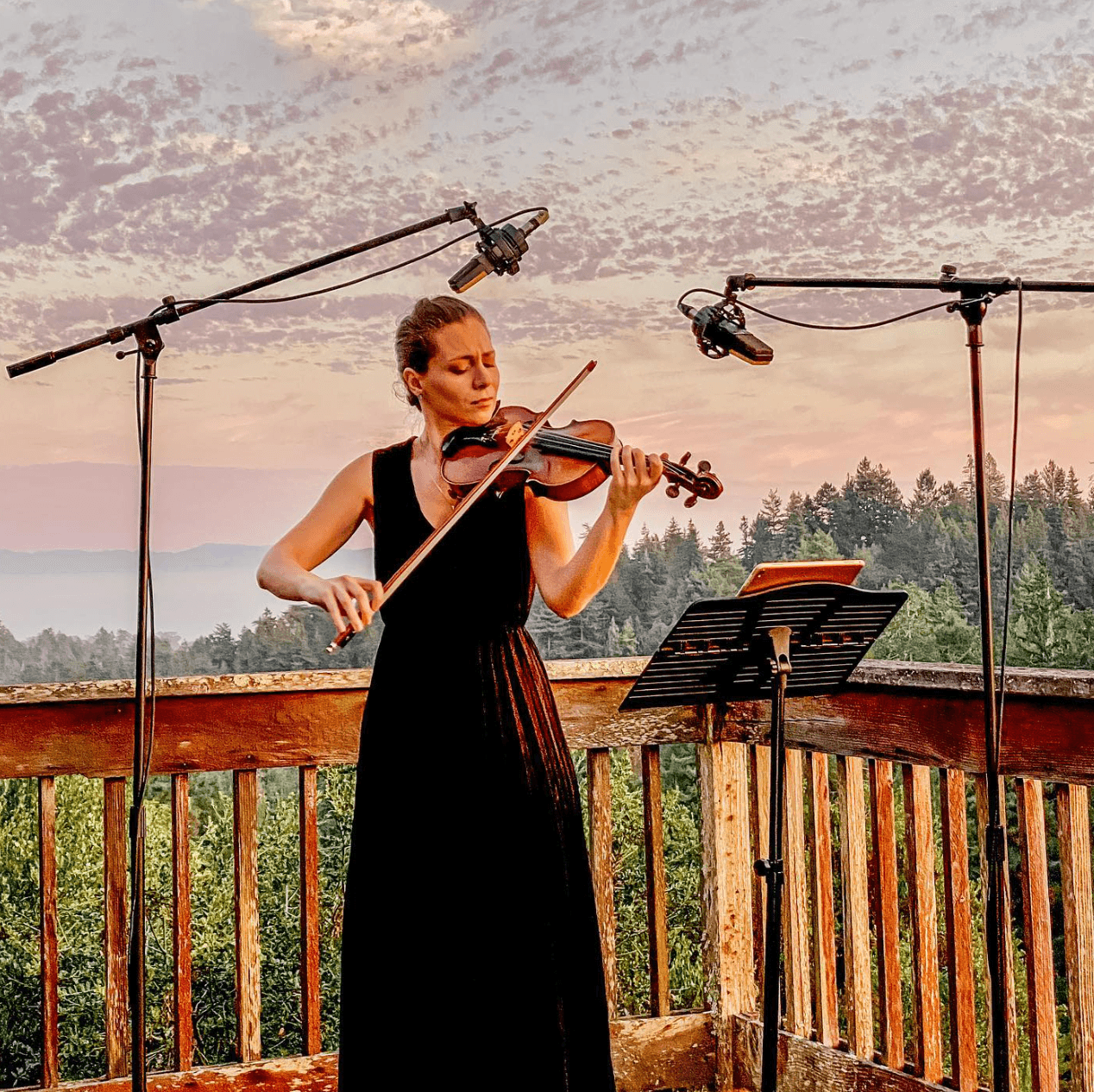
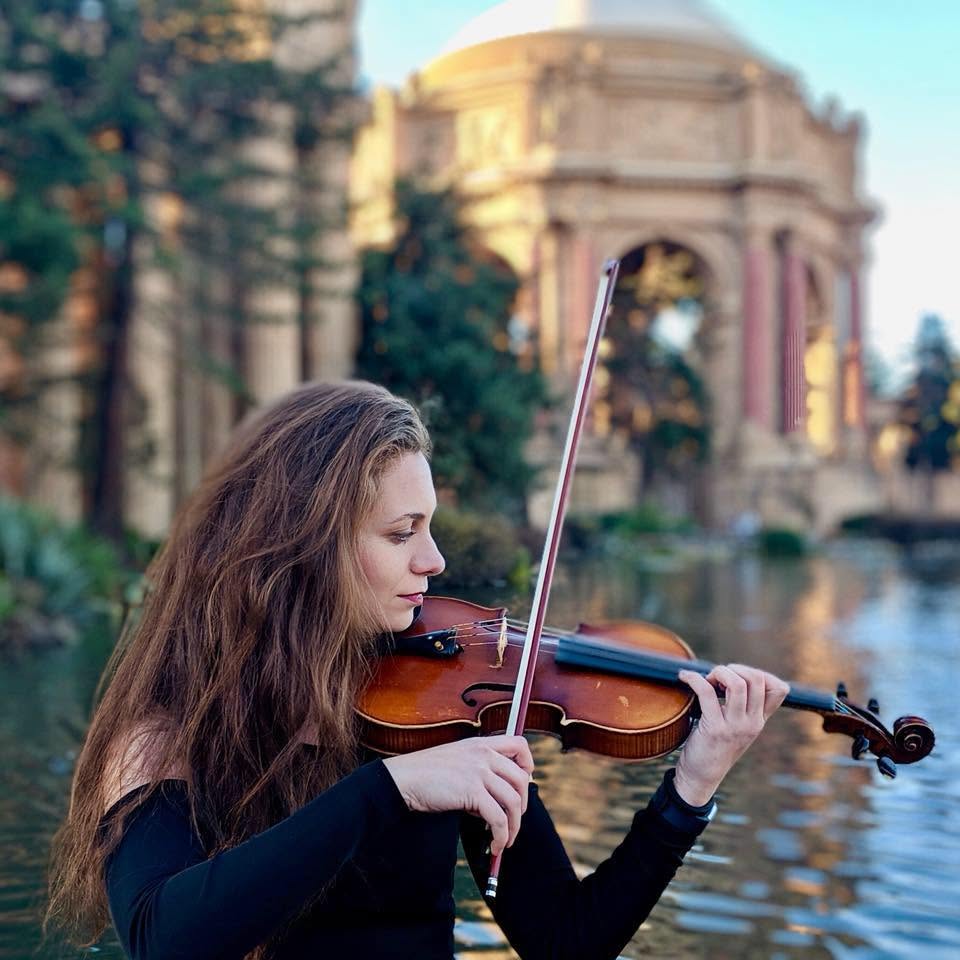
Today, my career exists at the vibrant intersection of performance, academia, and pedagogy. As a lecturer at UC Santa Cruz, I teach undergraduate courses in music analysis, composition, and ear training. Outside the classroom, I remain deeply connected to performance as a professional violinist, frequently playing with the Sutro Quartet and other ensembles.
More recently, my path has evolved in a deeply personal direction. Becoming a mother completely shifted how I view musical absorption. I began focusing heavily on early childhood auditory development, exposing young minds to global meters, microtonal systems, and diverse traditions before their auditory windows close. I now share these educational frameworks and screen-free parenting habits on my platforms (@musicwithdrgrijda), which has allowed me to connect with a wonderful community of parents.
Ultimately, whether I am researching Albanian lamentation, teaching university students, playing a quartet gig, or curating a global playlist for toddlers, my goal remains the same: to foster a deeper, more expansive connection to the music that surrounds us.
Can you talk to us a bit about the challenges and lessons you’ve learned along the way. Looking back would you say it’s been easy or smooth in retrospect?
It certainly hasn’t been a completely smooth road, but I believe the challenges are what give a career its depth and texture.
Navigating new cultures and rebuilding from scratch has been a recurring theme in my life. Moving from Albania to Greece, and then eventually crossing the world to the United States for my Master’s in North Carolina, meant constantly starting over. I had to learn how to navigate completely different educational systems, adapt to new languages and cultures, and rebuild my professional network and community from the ground up each time. Leaving my family and familiar surroundings behind to pursue my education wasn’t easy, but it fostered a deep sense of resilience and adaptability.
Balancing the dual identities of performer and academic was another significant hurdle. Classical performance demands rigorous, continuous physical practice, while completing a PhD and establishing an academic career requires intense research, writing, and analytical focus. There were many times during my doctoral studies when my identity felt split between the practice room and the library. It took time to figure out how to harmonize those two worlds rather than letting them compete, eventually finding my stride by allowing my performance background to actively inform my ethnomusicological research on Albanian laments.
Most recently, the challenge has been the juggle of motherhood and a multifaceted career. Continuing to lecture at UC Santa Cruz, perform with quartets, and build an educational social media platform while raising a toddler requires a level of time management and energy that I am still mastering. However, this specific struggle has been the most rewarding. Becoming a mother is exactly what inspired my advocacy for early childhood music education. It forced me to reevaluate how we absorb music and directly led to my work on raising a “musical polyglot,” proving that sometimes our most demanding seasons actually illuminate our true path.
Thanks for sharing that. So, maybe next you can tell us a bit more about your work?
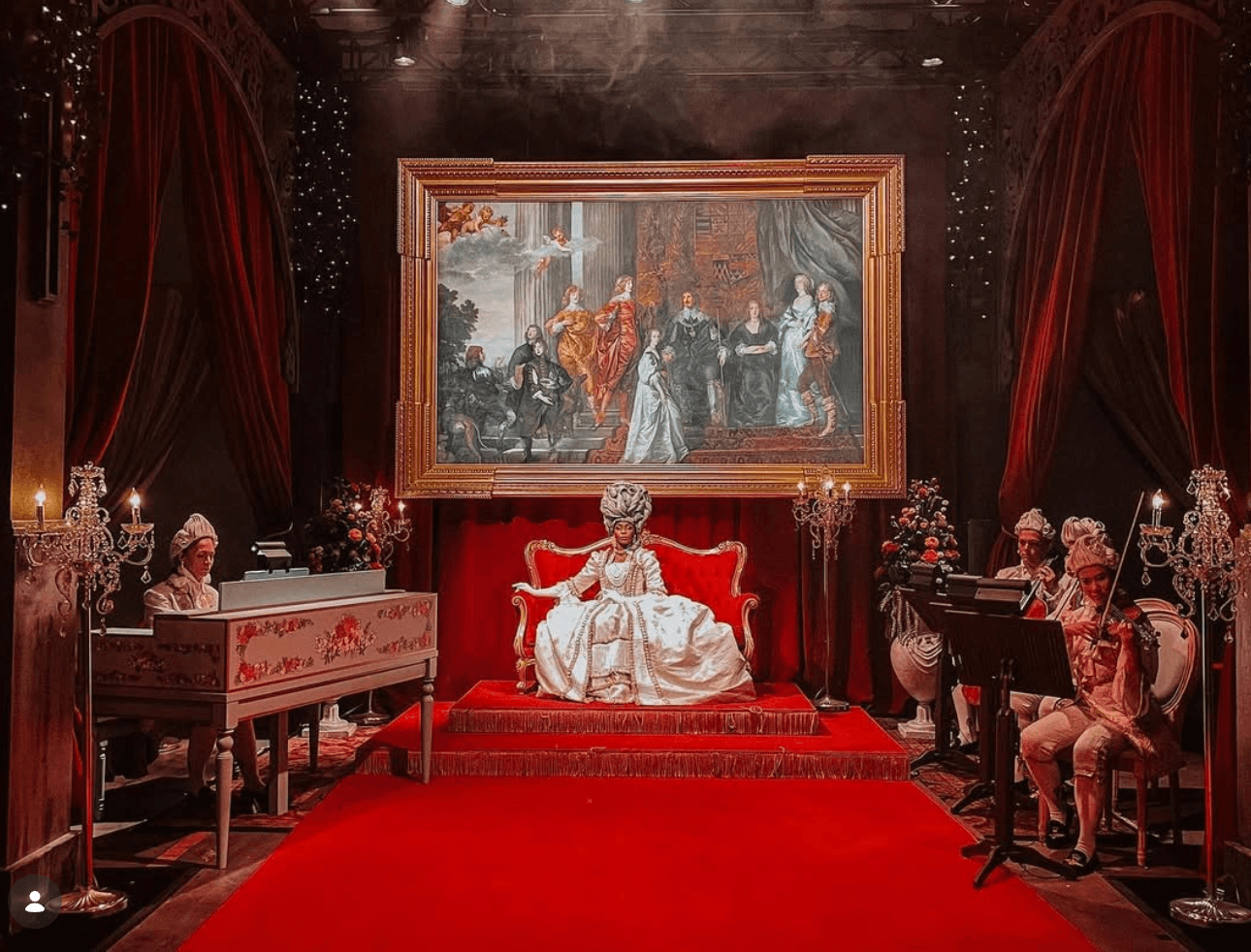
Looking back at my career, I am incredibly proud of my time on the stage and the privilege of collaborating with world-renowned musicians like Philip Glass, Joshua Bell, and Leonidas Kavakos in some truly extraordinary venues.
That performance background ultimately enriched my academic path, and I am equally proud of my ethnomusicological research into Albanian laments, which allowed me to return to my roots and elevate the voices of the women preserving those vital cultural mourning rituals.
Today, however, my absolute proudest achievement is the new chapter of my life inspired by my son. Watching his early auditory development motivated me to step outside the traditional academic bubble and build a community that helps other parents create screen-free, musically rich environments for their own children.
Are there any apps, books, podcasts, blogs or other resources you think our readers should check out?
Balancing academia, performance, content creation, and motherhood requires a mix of strict organization and very intentional self-care. For my physical and mental well-being, my greatest resources are my movement and mindfulness routines. I also believe that finding small moments of “quiet luxury” and stillness in the everyday is crucial for mental clarity.
Contact Info:
- Instagram: https://www.instagram.com/musicwithdrgrijda/