



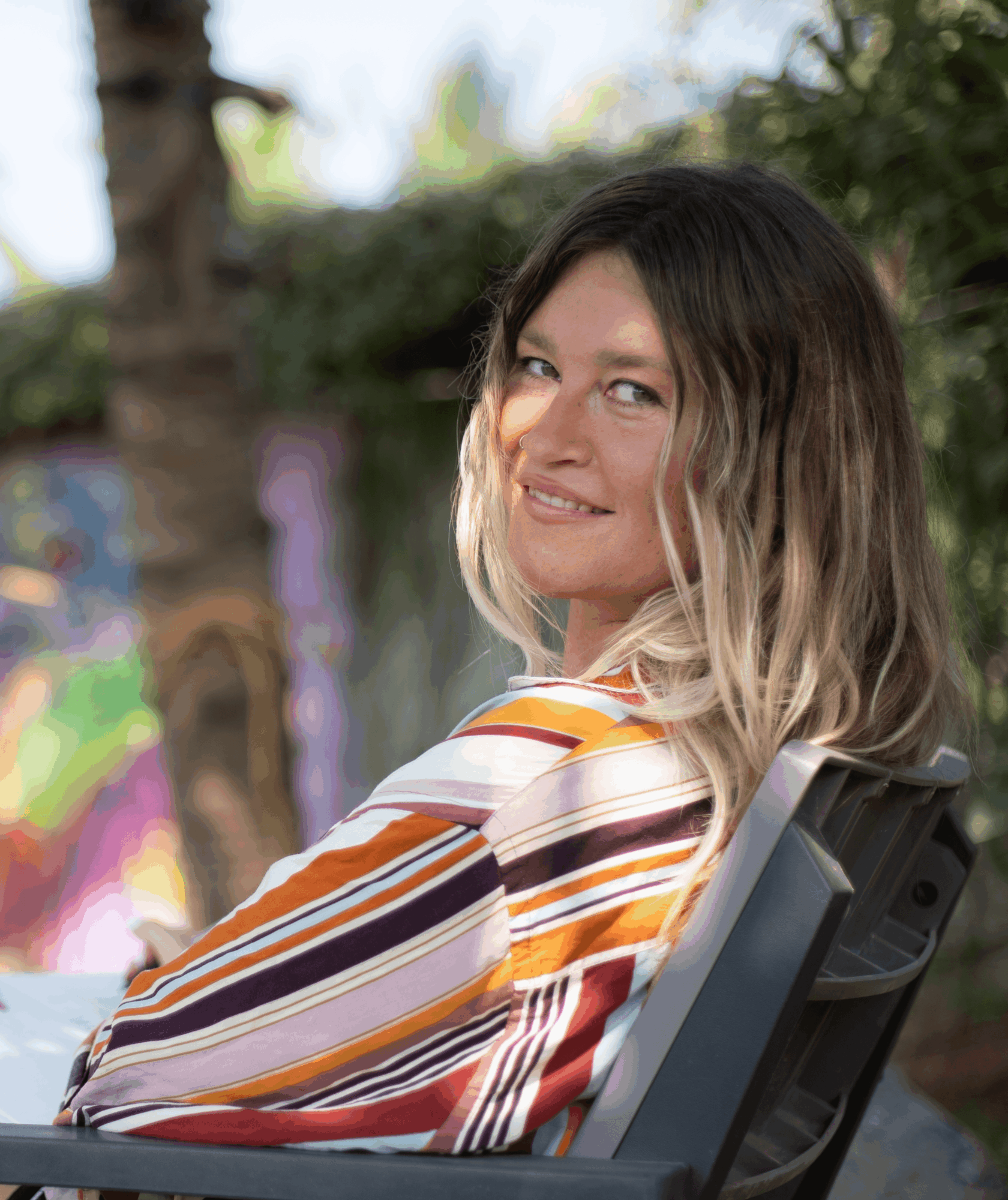
Today we’d like to introduce you to Maggie Miles.
Hi Maggie, so excited to have you with us today. What can you tell us about your story?
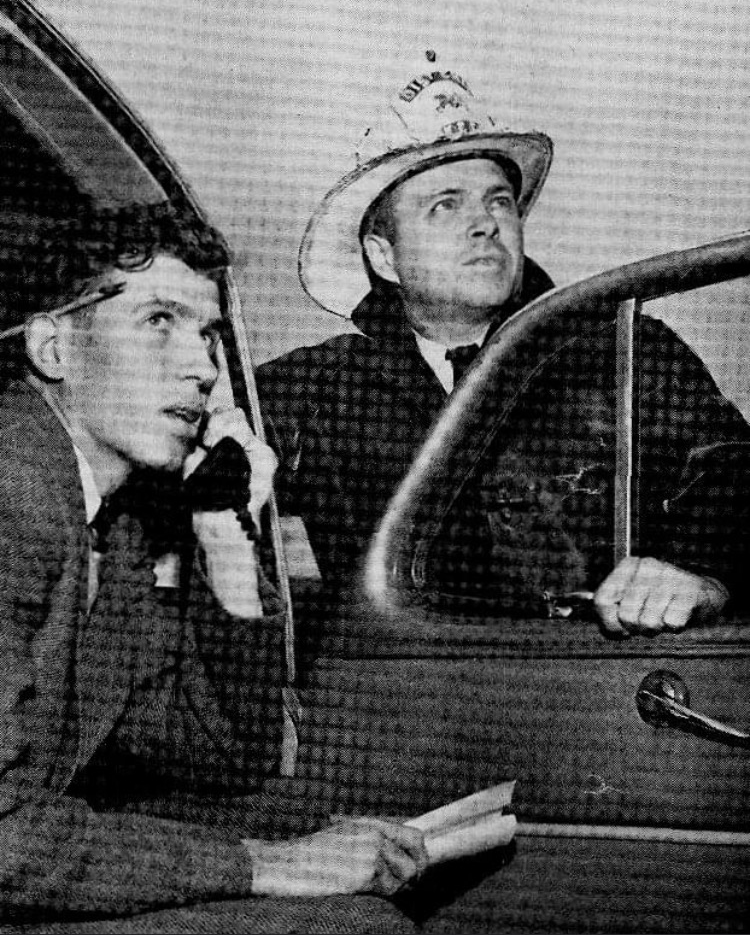
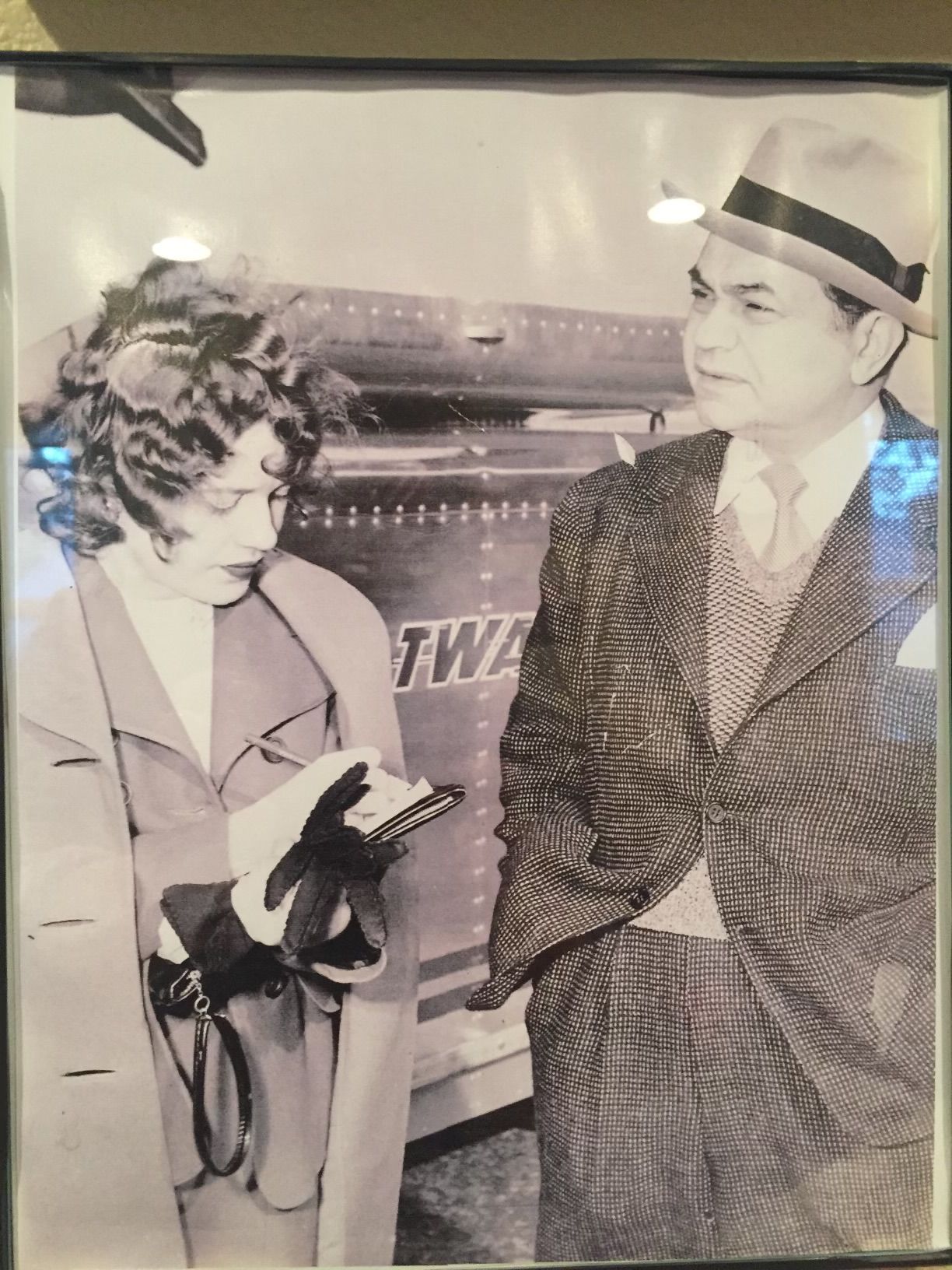
I knew I wanted to be a writer by age five. In elementary school, I never quite felt like I fit in, and there was a lot of alcoholism and fighting at home. I come from an extended family of journalists, and every year we drove to my grandparents’ house, who fell in love working alongside each other as journalists at the Kansas City Star fifty years earlier. After a long career as a magazine editor in New York City and Chicago, my grandparents moved to Ruckersville, Virginia, after my grandfather accepted a journalism professor position at the University of Virginia.
Every year, on our annual visit, sitting around the dinner table with my grandparents, cousins, and aunts and uncles, talking about journalism and politics, was my safe space. I longed to have the wisdom and knowledge to add to their conversations.
So, twenty years later, at thirty-one, I worked up the courage to follow in their footsteps and become a journalist. I earned a master’s in nutrition after falling in love with food while working at an organic farm in Hawaii. So I started my writing career by writing a wellness column for a small publication in my hometown.
After a few months, the editors asked me if I would be interested in writing other types of feature stories. I asked if I could write about the local Black Lives Matter protest coming to our community. I wrote about the protest through the eyes of two local Black sisters who grew up in our small, conservative Southern community. Those women inspired me, and I knew I needed to keep seeking out more people to speak with, people the world needed to hear from.
Since then, I’ve published more than 300 articles, covering everything from investigations into sexual assault and corruption to features on identity, social justice, culture, and the environment. But lately, I’ve felt called to take my writing somewhere new. In middle school, I had a lot of insecurities, but I was embarrassed to talk about them with my friends and family. I read magazines a lot, and in them I found personal essays where people shared their deepest, darkest secrets, their self-doubt, their fears and uncertainties, and what made them feel uncomfortable in their own skin. It made me realize that everything I was feeling was normal. Reading words from strangers willing to lay their vulnerabilities out on the table made me feel less alone.
Now, at the cusp of turning forty, I realized it’s time for me to share my vulnerabilities too. So I created a Substack called Where My Lover Lives. For a long time, I was hesitant to do this because I felt it was too risky to be too personal and share too much of my life as a journalist writing about serious topics.
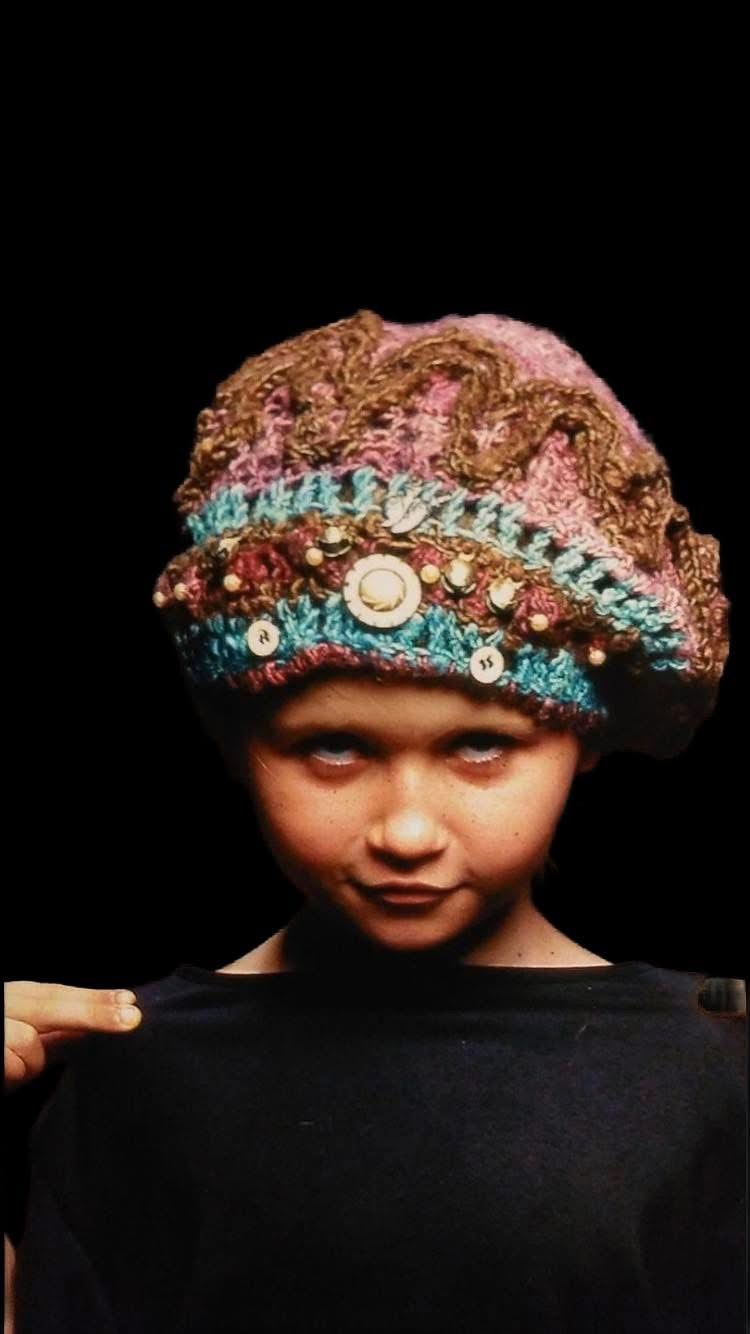
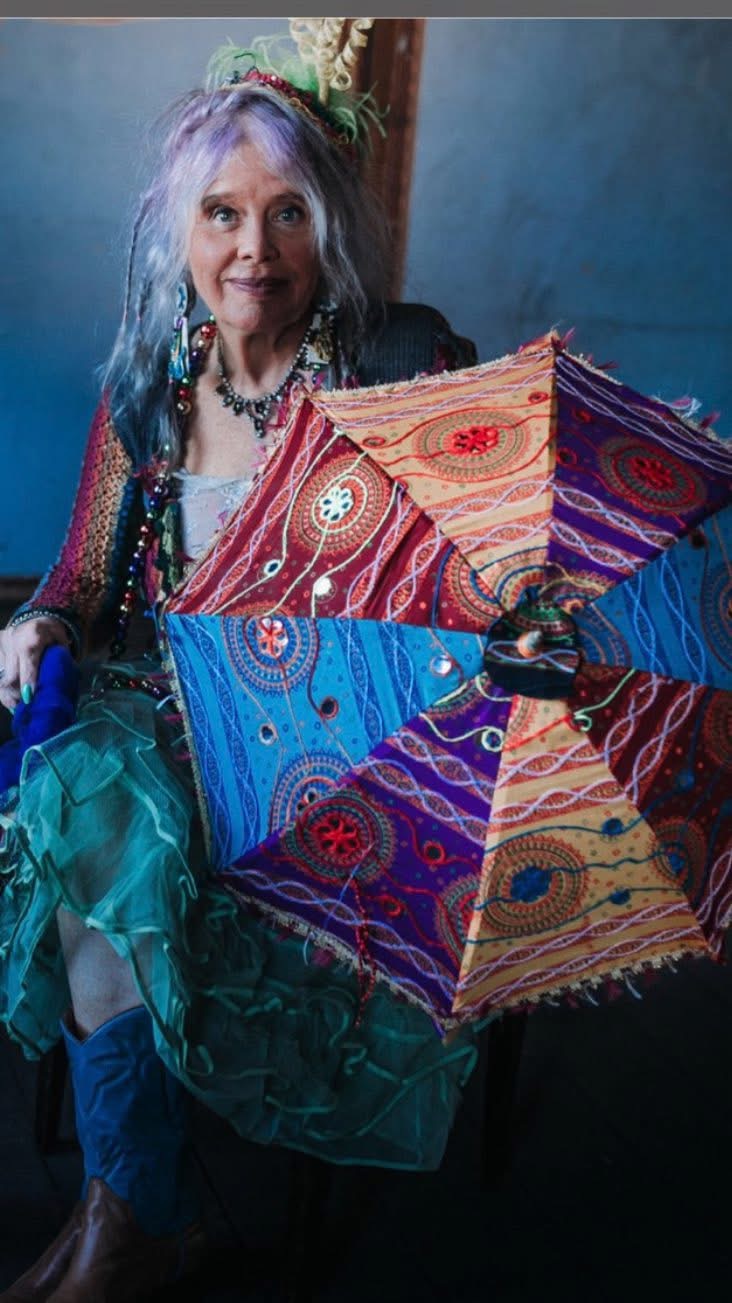
But while I come from a long line of journalists, I also come from two black sheep. My artist mother taught me that fitting into a mold is a very boring way to live life. So how do I reconcile my weirdness with the serious journalist I am supposed to be? I realized recently that I don’t have to. I can be both.
I think we are living in a time when we don’t have to go down one straight path, and we don’t have to figure it out by some outdated rules about how to live life. We can set the rulebooks aside, listen to our inner voice, and figure out how to be in the world in our own way.
Because the lover I’m talking about isn’t a man or a woman; it’s a feeling. It’s not about sex, its about passion for things that make us feel most like ourselves. For the creative pursuits we stay up late for, the places we find freedom, the people who inspire us, and the moments when something inside us says, this is it. That make us feel like life is worth living. For me, it is writing. But for others it could be art, it could be music, or anything we feel a calling to explore because it makes everything else feel like it melts away.
Because sex is great, but no feeling matches when you realize you are living the wrong life, and completely reinvent yourself based purely on a feeling deep inside you that you can’t ignore.
But I don’t just write about my own experiences finding my “lover”; I’m also speaking with people who welcome me into their world. I’ll talk with them about how they found their lover, and the insecurities and vulnerabilities they carried along the way. It’s easy to look at people on social media who are following their dreams or releasing a creative project and assume they have it all figured out, or that they have something we don’t.
For example, recently I met a beautiful artist who makes jewelry and has led many projects teaching art to marginalized communities. It would be easy to be intimidated, but as soon as I met her, she opened up about her own insecurities, fears, and doubts. And it made me feel immediately connected to her. Because, of course, I could relate. It reminded me how I felt when I read those strangers’ essays as a little girl.
Those are the kinds of conversations that will be featured in Where My Lover Lives.
Can you talk to us a bit about the challenges and lessons you’ve learned along the way. Looking back would you say it’s been easy or smooth in retrospect?
How much time do you have? Not believing in myself, self-doubt, imposter syndrome, anxiety, catastrophic thinking…and what do all of those things have in common? They are all me battling against myself.
I went to a creativity retreat a year ago, after becoming burnt out after three years of non-stop freelancing as a journalist with ADHD, and in one of our journaling workshops, our retreat leader led us in an exercise called Ikigai, a Japanese concept that helps individuals explore their purpose in life by mapping out the intersection of four different categories: what you love, what you’re good at, what the world needs, and what you can be paid for. She had us open our journal to a page and write each category in each corner.
We then looked for a common theme across each category, something that flowed through each section. That common thread is, according to that tradition, a key to our deepest purpose, our meaning in life. For mine, it was clear: telling people’s stories. So why did that feeling of dread keep washing over me every time I sat down to write?
I’ve been a journalist for five years. I’ve published articles about all sorts of fascinating, inspiring people who are making a difference in the world. One of my favorite parts of my job is when someone doesn’t believe they have a life worth writing about, then tells me an amazing anecdote, sees it reflected back to them on the page, and suddenly realizes, wow, I really do have a story worth sharing.
But for a year up until that retreat, every time I sat down to write, I felt the panic coming. I tried everything to make it stop — therapy, quitting drinking alcohol, mindfulness exercises, and taking a month-long break from writing completely.
This wasn’t the first time that my body had rebelled against work. A few years ago I worked as a content writer for a tech company. It was the most money I had ever made, but it was soul-sucking, helping oil companies and fast food restaurants turn a profit. After a two-week trip to Europe, I physically couldn’t log back in. My nervous system would not let me. But in that case, it made sense. I left that job and returned to the work that lit a fire in me, that felt meaningful, so why was this happening now?
‘I think I hate writing,’ I told one of my closest friends, whose opinion I trust dearly. He’d seen my accomplishments — but he’d also seen my moments of greatest despair and self-doubt as a writer.
“I don’t think you hate writing,” he told me. “You hate the pressure of writing.”
The pressure.
That pressure comes in many forms. The pressure to crank out a certain number of articles a month to pay rent in California. The pressure that tells me I have to create a Pulitzer Prize-winning piece every time I sit down. The pressure to keep going when imposter syndrome—a voice inside me telling me I’m not good enough, not smart enough, or that I’ll make a mistake in the article—took over.
When I got my first national news assignment, I went out on the ground covering a hurricane with other reporters and photographers from the publication. I looked them up on social media, and they had hundreds of thousands of followers; they had written for every national news outlet under the sun. They all knew the lingo, knew the next move, knew exactly what they were doing. I looked around and thought, “How did I get here?” At that point I had only written for a small local publication. I was a fish out of water. I was waiting to make a fool of myself and hear, “We’re sorry, we made a mistake.”
The thing is, you think you get more confident over time, but the more successful you get, the bigger the publications you’re published in, the louder that voice gets, telling you you are a fraud. That’s how it was for me anyway.
I write this because I think we all compare ourselves. We see someone with a certain byline or accomplishment and think they must have it all figured out. A fellow writer friend once told me, “Writing doesn’t come naturally to me like it does to you,” but that couldn’t have been further from the truth.
At times, pulling words from my brain onto the page felt like pulling a boot out of thick, deep mud, or pulling a weed with deep roots. The later I am on my deadline, the more I panic, and the harder it is to write. It’s a vicious cycle. But sometimes it flows freely; it spills onto the page, you are in your element, and you know you are onto something. And that feeling is unmatched.
I still compare myself to others all of the time. Just the other day I read a random post on Threads and thought, “I wish I could write like that.”
Last week I was on a coaching call with a freelance writing coach named Amber Petty. On the call, she said, “Your bar for “good enough” is wrong. 50% to you is 150% for most. Putting emails, offers, and posts out, even if they feel half-assed, will prove that the world’s cleverest people will not gather to mock you. And many will be moved by your 50% work.”
The same friend that I confessed my feelings about writing to gave the advice that maybe I shouldn’t look at the anxiety that shows up when I sit down to write as a bad thing. Maybe it’s just part of the process of putting the words I want into the world. What if instead of having shame around having the anxiety, I embrace it, work with it, and see it as an essential part of my creative process?
Where My Lover Lives is where I’m putting that sentiment into action — where I’m practicing putting things out there without judgment and fear, or better yet, in spite of it. Where I can be vulnerable and real, and not worry about whether it’s good enough or worthy enough. It is where I am coming to heal my relationship with writing. To heal my relationship with the pressure. If one person can relate to one sentence in one of my essays, then it’s a win. If one bone in my body or one neuron in my brain feels more at ease in the writing process, that’s a win.
Alright, so let’s switch gears a bit and talk business. What should we know about your work?
I’m a freelance journalist with work in outlets like The New York Times, The BBC, The Virginian-Pilot, and Palm Springs Life Magazine. I focus on stories that explore the cultural impact of current events, covering topics such as workplace ethics, social justice, education, and the environment. I love finding the human stories behind the news headlines. In addition to investigative pieces, my portfolio spans arts, wellness, travel, and in-depth profiles of unique individuals and businesses.
Is there anyone you’d like to thank or give credit to?
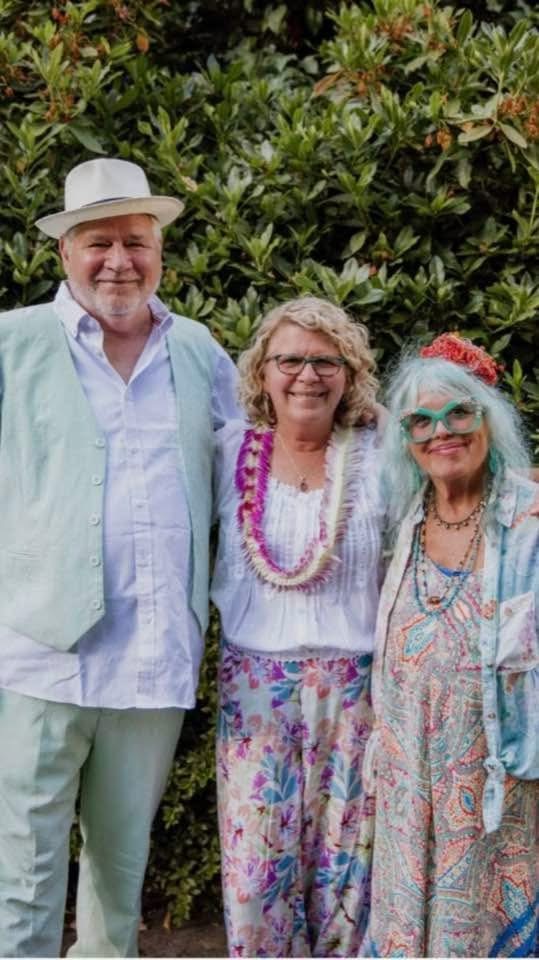
I am so lucky to have many people who have guided me along the way. My aunt Julie Salmon and my uncle Champ Clark, both incredible writers who are always at the ready to give me advice and support me in all of my creative and journalistic pursuits. My mom and sister for taking all my panicked phone calls about a story and for always being ready with new story ideas. Mary Ellen Riddle, who has mentored me in writing since I was young and gave me my first writing assignment when I was 26. Mikel Lomsky, the friend in the story who gave me the spectacular advice to work with my anxiety instead of against it. My grandmother, Mitzi Clark, who was the OG incredible, one-of-a-kind, larger-than-life, pioneering journalist who inspired me since I was a little girl, along with all of the other journalists in my family: my aunt Jane, my grandfather Champ Clark, my great-uncle Marsh Clark, and my great-great-aunt Genevieve Clark Thompson, who all inspire me and guide me every day from beyond the veil.
Contact Info:
- Website: https://wheremyloverlives.substack.com/
- Instagram: @wheremyloverlives
- Other: https://www.maggiemileswriter.com