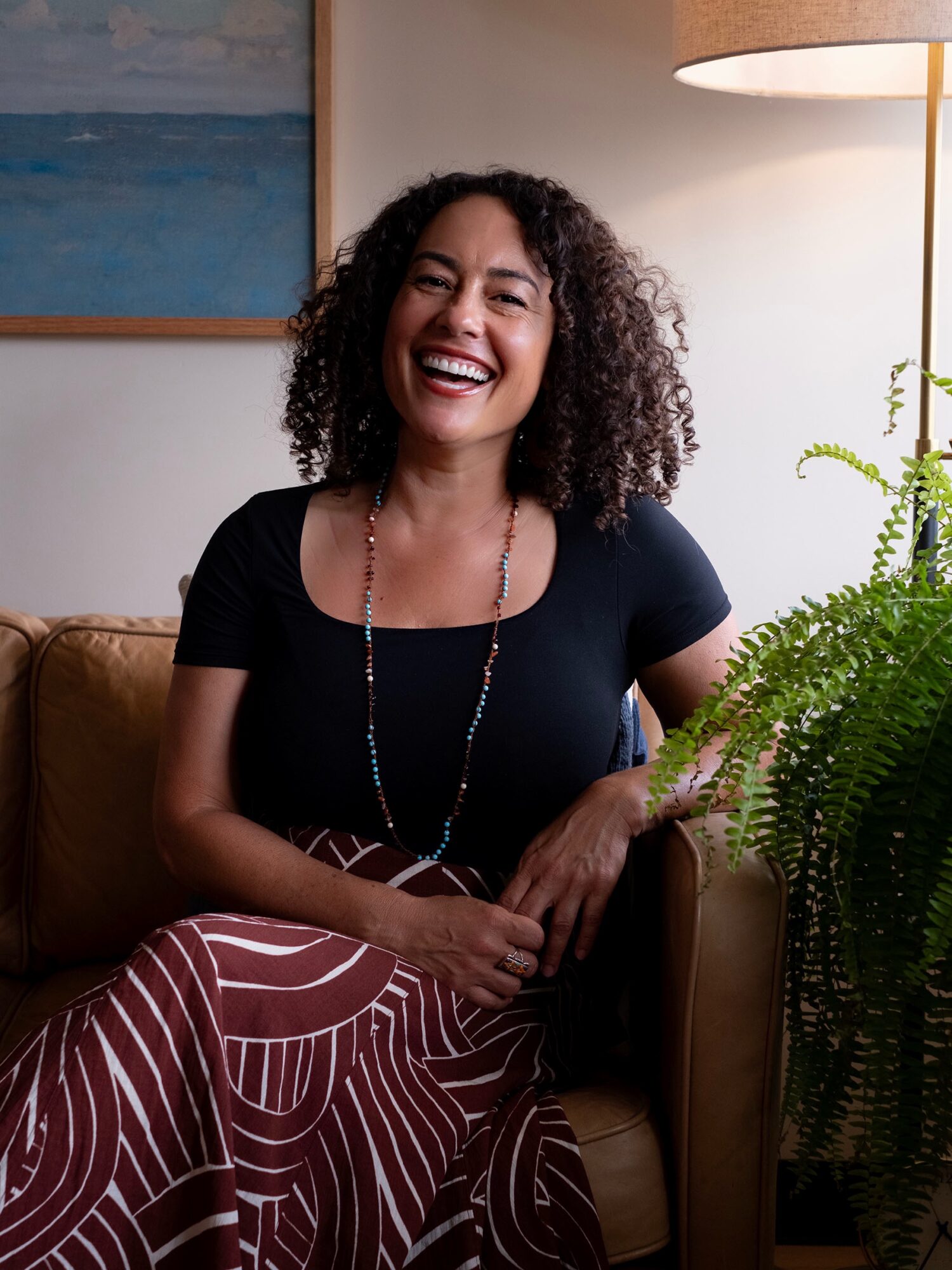




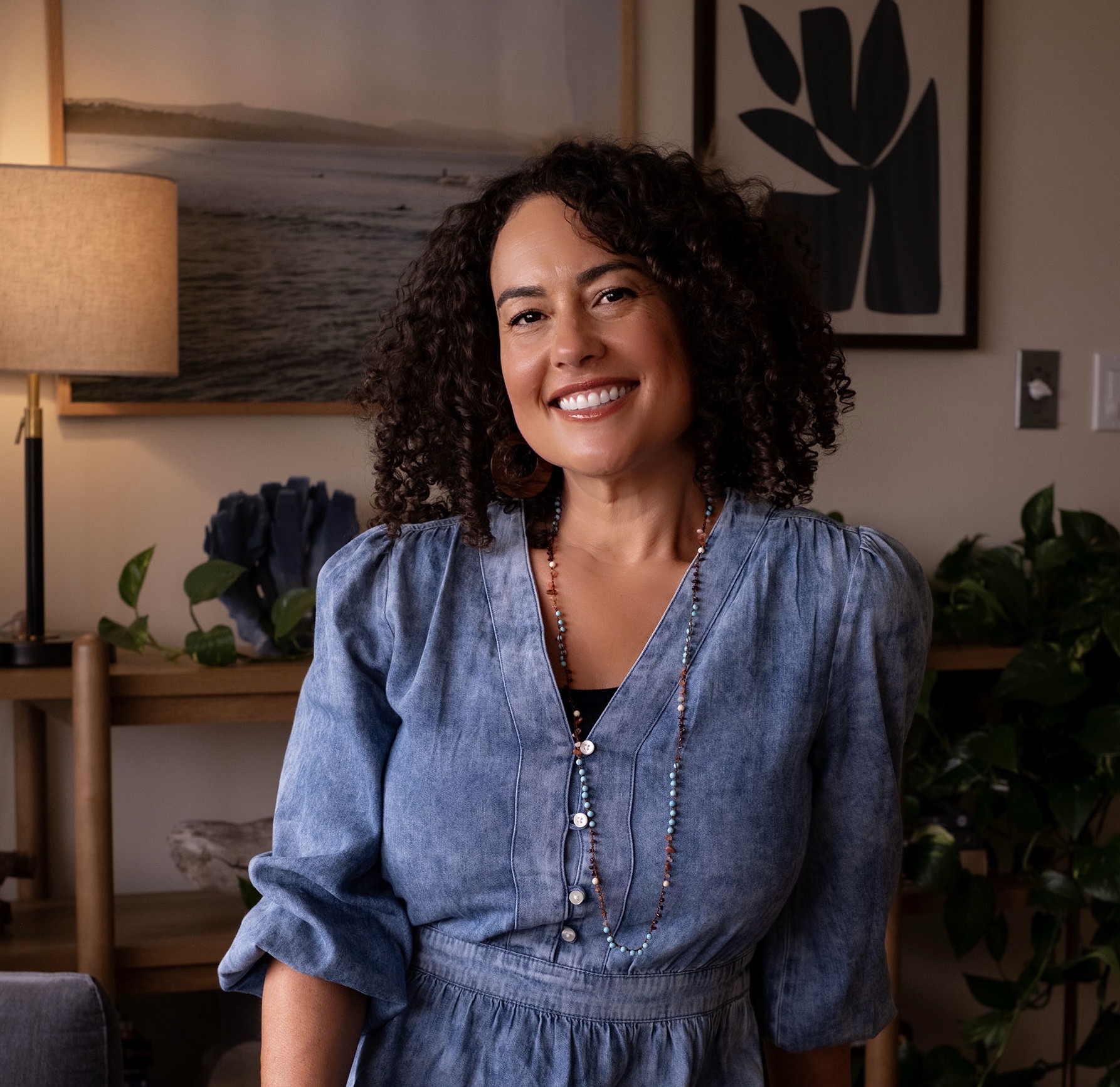
Today we’d like to introduce you to Teva Johnstone.
Hi Teva, so excited to have you with us today. What can you tell us about your story?
I’m Teva Johnstone, Licensed Psychotherapist and OCD Specialist. I own a small private practice in Ventura, California and primarily treat adults suffering from anxiety-related conditions. I absolutely love what I do!
I’ve been a Licensed Clinical Social Worker/Psychotherapist in private practice since 2021, but my journey as a “helping professional” began in a different career. Prior to entering the mental health field, I had a decade-long career as a Vidal Sassoon trained hairdresser. Hairdressers are not therapists, but the successful ones know their technical craft and they’ve developed the skill of listening well. As a hairdresser I grew to be comfortable speaking with numerous types of people and listening as they shared intimate details about their lives. I enjoyed it enough to want to develop my skills further and embark on a new career path.
It takes a long time for therapists to go from graduate school to opening the doors of their own practice. There are numerous educational and legal requirements before we are qualified to hold such a huge responsibility. Having a driven personality, combined with good mentorship and the support of my family, kept me going when the finish line felt like lightyears away.
As a pre-licensed therapist I paid my dues in numerous settings ranging from Ventura County foster care, to Northridge Hospital inpatient psychiatry, to schools in South LA, Oxnard, Ventura and Santa Paula, to a family center in Ojai, and finally I landed a job at a private group practice in Ventura, which was the final stop before getting clinically licensed and opening my own private practice.
Today, 5 years into private practice, I have a peaceful office in the heart of Ventura where I see clients in person and online from anywhere in California. I specialize in treating people with OCD, internet addiction, and related anxiety disorders. Much of my work involves teaching people how to stop ruminating. Getting off the mental spiral is a skill that can be learned. Through the therapeutic relationship clients develop increased self-understanding, self-compassion, and agency. OCD feels like a prison and the therapy I practice helps clients notice that the door is actually open. I support them as they make the decision to courageously walk out.
I use an integrative (holistic) approach including Exposure and Response Prevention (ERP), Rumination-Focused ERP, Therapeutic Lifestyle Change, and Existential Therapy where I help people find their sense of meaning and purpose.
I find this work so rewarding. My clients largely get better and move on with their lives. It’s an honor to play a role in their recovery.
I’m sure it wasn’t obstacle-free, but would you say the journey has been fairly smooth so far?
It has not been a smooth road, but I think that’s par for the course if you’re fully living and pursuing big goals. Inevitably there will be struggles if you’re putting yourself out there and trying things that are hard. Being a working mother was a difficult balance at times, but now that I’m self-employed I get to make the rules about how much I work and when. Of course there are still challenges when owning a small business, but things feel mellower now. I view struggle as an invitation to reflect, make changes where possible, and practice acceptance of the rest.
Many therapists fall into an anxious trap of overworking. We think if we do one more training, see one more client after hours or before hours, or take on one more leadership position we will finally be okay. We will have enough and be enough. We sometimes confuse our self-worth with work productivity. For some, the imposter syndrome and savior voices are really loud so they compulsively work in an attempt to quiet the discomfort. This is detrimental on so many levels, often leading to burnout and a life that feels shallow outside of work.
I think if we want to be healthy in an integrated way—mind, body, spirit, relationships—it’s important to put limits around work commitments. This will inevitably disappoint some people, but in my opinion, putting boundaries around our careers is necessary to thrive. Excessive work hours may grow social media followings and bank accounts, but at what cost? It takes time to figure this out.
I’ve had seasons of not having a healthy container around work. I would say yes to too many commitments at the expense of other things. I finally learned when we say ‘yes’ to one thing we are inevitably saying ‘no’ to something else. I try to be more intentional about this concept now. I make time for my well-being without guilt tripping myself. It’s been a gradual and imperfect process, but I am much better at protecting the white space on my calendar and saying ‘yes’ to more work/life balance. Taking time away from work allows me to better serve my clients because I am nourished and restored.
Growing from challenges has made me a better therapist. I think as humans we can feel when we are with another who gets it. There’s a sense of felt safety when our pain is witnessed by someone who has also known difficulty and worked on themselves through therapy or other methods. This doesn’t mean we should self-disclose personal battles to our clients, words aren’t always necessary, it’s more of a feeling of empathy in the room that can be helpful.
I strive to put in the same daily effort I ask of my clients who are learning healthier patterns of behavior. I know changing areas that feel stuck is hard work because I have done it. Showing up for ourselves with kindness and commitment to our values is a lifelong practice that requires daily discipline. It’s not always easy.
Alright, so let’s switch gears a bit and talk business. What should we know?
I own a small mental health therapy practice that shares my name: Teva Johnstone, LCSW (Ventura OCD Therapy). My practice serves mostly Ventura County residents, however, I see clients from all over California. I specialize in treating people with Obsessive-Compulsive Disorder and Internet Behavioral Addictions. I primarily use Exposure and Response Prevention (ERP) therapy modality for OCD, and a holistic mindfulness approach to compulsive overuse of online media.
One thing that sets my practice apart is I offer in-person therapy. Since the social disruption of the pandemic many therapists shifted exclusively online and clients struggle to find in-person care. While I think Telehealth has an important role in the accessibility of care—and I personally see many clients online—there’s something special about being in a shared physical space. No matter how much technology advances, we are still embodied humans who tend to benefit from sharing physical space with other humans.
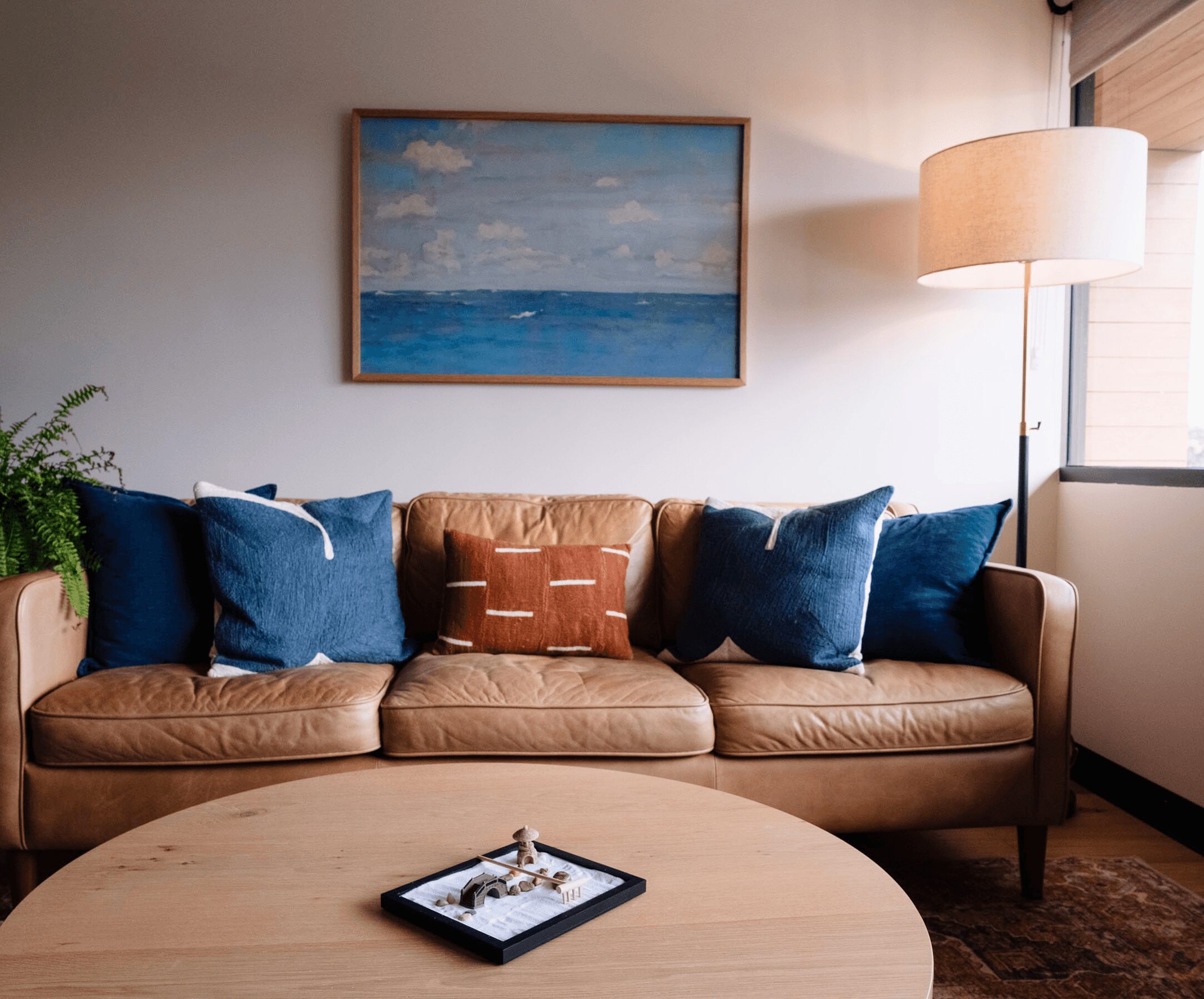
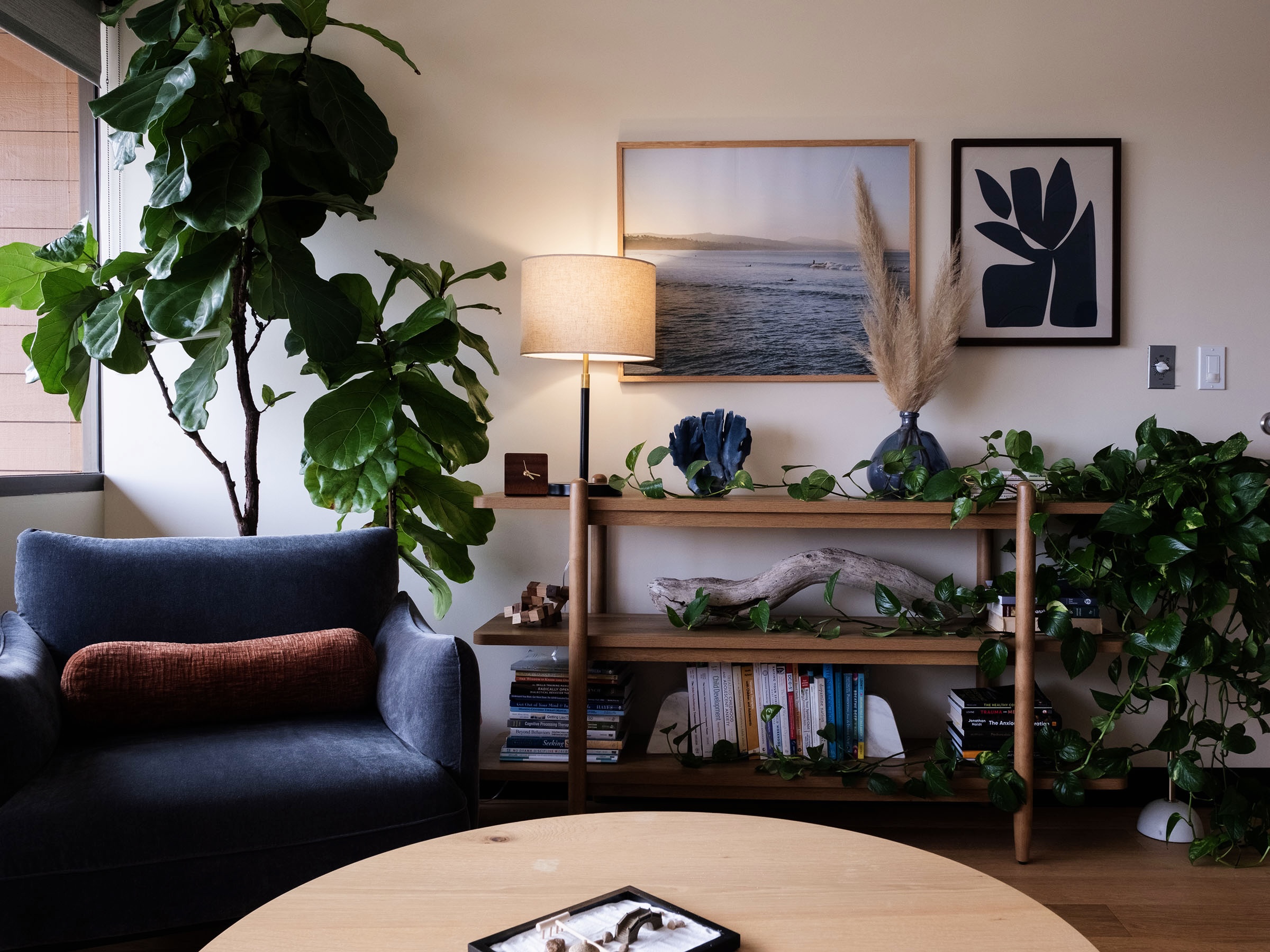
I tried to create a calming aesthetic in the office that captured my love of Southern California geography. Clients will see natural colors and driftwood I picked up on the beach in Carpinteria. They will be surrounded by plants from our local nursery and interesting global textiles. The office has a ton of natural light with wall-to-wall western facing windows. On a clear day my clients can see a sliver of the ocean with a view of the Channel Islands from the therapy couch. At sunset it is truly something to see! I hope the physical space helps facilitate a sense of safety as clients confront difficult emotions. I should note that while my office setting is clean and comfortable, exposure therapy, especially for contamination-themed OCD, requires venturing out into different types of environments and I’m willing to do that with my clients. Sometimes healing happens in public restrooms and the side of a dumpster. That’s the great thing about OCD treatment, it’s adventurous and teaches us that a life well-lived can be of messy, uncertain, and requires a great deal of courage at times.
I am most proud of my ability to help people find freedom. I have been fortunate to witness many such cases.
Networking and finding a mentor can have such a positive impact on one’s life and career. Any advice?
In the psychotherapy profession the opportunity for mentorship is built into the model. We spend many years with professors and clinical supervisors who nurture our development from graduate students to licensed professionals. If we are lucky, we will connect with one or two on a deeper level that feels very natural, and get to learn from them for the duration of our careers.
I have one mentor, John Mulvey, LCSW, who was my supervisor at a tough internship in graduate school. I’ve been lucky to experience his generous support and learn from his many decades of clinical wisdom. John is someone I can call anytime day or night for professional guidance while being fully myself without worry about judgment.
In addition to my mentor I’ve had a handful of great teachers who I return to on a regular basis for continued learning and consultation. My most consistent teaching in the treatment for OCD has been from an expert in New York I sort of cold called, Dr. Eli Felt. That’s mostly how I learned to specialize in the treatment of OCD—I sought out experts in areas of the field where I wanted to learn specific skills (eg. ERP treatment, running a sustainable private practice) and paid them for their time to teach me. I stay in touch with a handful of therapist friends and networking is pretty organic.
I’m thankful to my parents and all my teachers on the path! Thank you.
Contact Info:
- Website: https://tevajohnstonetherapy.com
- Other: https://www.psychologytoday.com/us/therapists/teva-johnstone-ocd-specialist-ventura-ca/397519