




Today we’d like to introduce you to Leah Bornstein.
Hi Leah, so excited to have you on the platform. So before we get into questions about your work-life, maybe you can bring our readers up to speed on your story and how you got to where you are today?
Being Deaf has shaped so much of who I am. I grew up navigating a predominantly hearing world. I wore hearing aids and learned early how much effort can go into adapting to the way other people communicate (rather than what was most inclusive for me). Most of my family didn’t know sign language, although a few of them learned or attempted to learn when I was an adult. Point being, I could be surrounded by people and still feel completely isolated due to communication barriers.
But I’ve always loved animals. Dogs felt peaceful to me in a way people often didn’t. Our very first dog, Panda Bear, was my best friend. He was kept outside and separated from the family, and seeing him isolated like that was incredibly painful for me. He didn’t get to choose where he lived, where he slept, or whether he got to be part of the family. Even as a child, it felt so unfair that the humans around him had complete control over his life like that.
Dogs are so dependent on the humans in their lives. We decide where they live, what they eat, where they sleep, and how they’re treated. So much of their world is outside of their control. In a lot of ways, their quality of life comes down to luck — whether they happen to land with a family who treats them with kindness. Some dogs win that lottery. A lot of dogs don’t. As a Deaf girl in a hearing world — and in a hearing family — I understood something about constantly having to adapt to environments that weren’t built with you in mind.
When I was younger, I discovered Victoria Stilwell’s show It’s Me or the Dog, and I was fascinated. I loved the way she talked about dogs and approached training. I remember thinking, “I want to do what she does” I never really thought dog training could be an actual career, though, so I took a different path.
I became a teacher and spent 12 years working in K–12 education. Looking back, teaching shaped the trainer I am today more than I realized at the time. It reinforced something I had experienced myself: learning is never one-size-fits-all. You can’t force every learner into the same mold and then blame them when it doesn’t work. You have to look at the individual in front of you and meet their needs. That philosophy carries directly into the way I work with dogs and their people now.
At the same time I was a teacher, dogs never stopped being a huge part of my life. I stayed involved with rescue, fostering, shelters, and volunteering when I could. Eventually, I enrolled in the Victoria Stilwell Academy for Dog Training & Behavior and became certified as a positive reinforcement dog trainer in 2022.
I started Born to Be Dog Training in 2022 while I was living in California and built it alongside my teaching career.
From there, I kept learning. I became a Fear Free Certified Animal Trainer, a graduate from Michael Shikashio’s Aggression in Dogs, a Certified Separation Anxiety Trainer (CSAT), and most recently earned my Certified Dog Behavior Consultant (CDBC) through the IAABC, I also now serve as a Faculty Advisor for the Victoria Stilwell Academy, which feels incredibly full-circle, considering Victoria’s work had been one of the first things that helped me discover my passion for helping dogs and their guardians.
I moved to New Jersey in 2024 and continued building Born to Be. In Jan 2026, it became my full-time career! Today, I work hard to continue my mission — to bridge the communication gap between dogs and humans so both can feel more understood and supported!
I’m sure it wasn’t obstacle-free, but would you say the journey has been fairly smooth so far?
Being Deaf has meant navigating a lot of spaces that simply weren’t built with me in mind, from education and employment to building my own business.
I’ve applied for jobs and been turned down because employers weren’t equipped or willing to accommodate a Deaf employee. I’ve encountered people who assumed being Deaf meant I couldn’t communicate effectively, couldn’t do the job as well as a hearing person, or would somehow be a safety risk working with dogs. There’s an exhaustion that comes with having to prove your capability before you’ve even been given the opportunity to show it. People hear “disability” and too often think “liability,” not “asset.”
Entering the dog training industry came with its own barriers. When I enrolled in the Victoria Stilwell Academy (VSA), they had never had a Deaf student before, and their online coursework and faculty advising program wasn’t captioned or fully accessible. We had to figure out accessibility as we went. I can’t say enough good things about how willing their team was to listen, learn, and adapt. Since then, VSA has continued improving its accessibility and has even graduated several more Deaf students. They’re an amazing group of people!
Even as a small business owner today, networking, conferences, phone calls, client communication, and continuing education often require extra advocacy and planning — not to mention navigating the pre-existing assumptions people sometimes have about what I can and can’t do as a Deaf person.
There have absolutely been periods of isolation and depression along the way. But I’ve also become very good at finding another way forward when the existing path isn’t accessible. That persistence is a big part of what eventually pushed me to build something of my own!
Thanks for sharing that. So, maybe next you can tell us a bit more about your work?
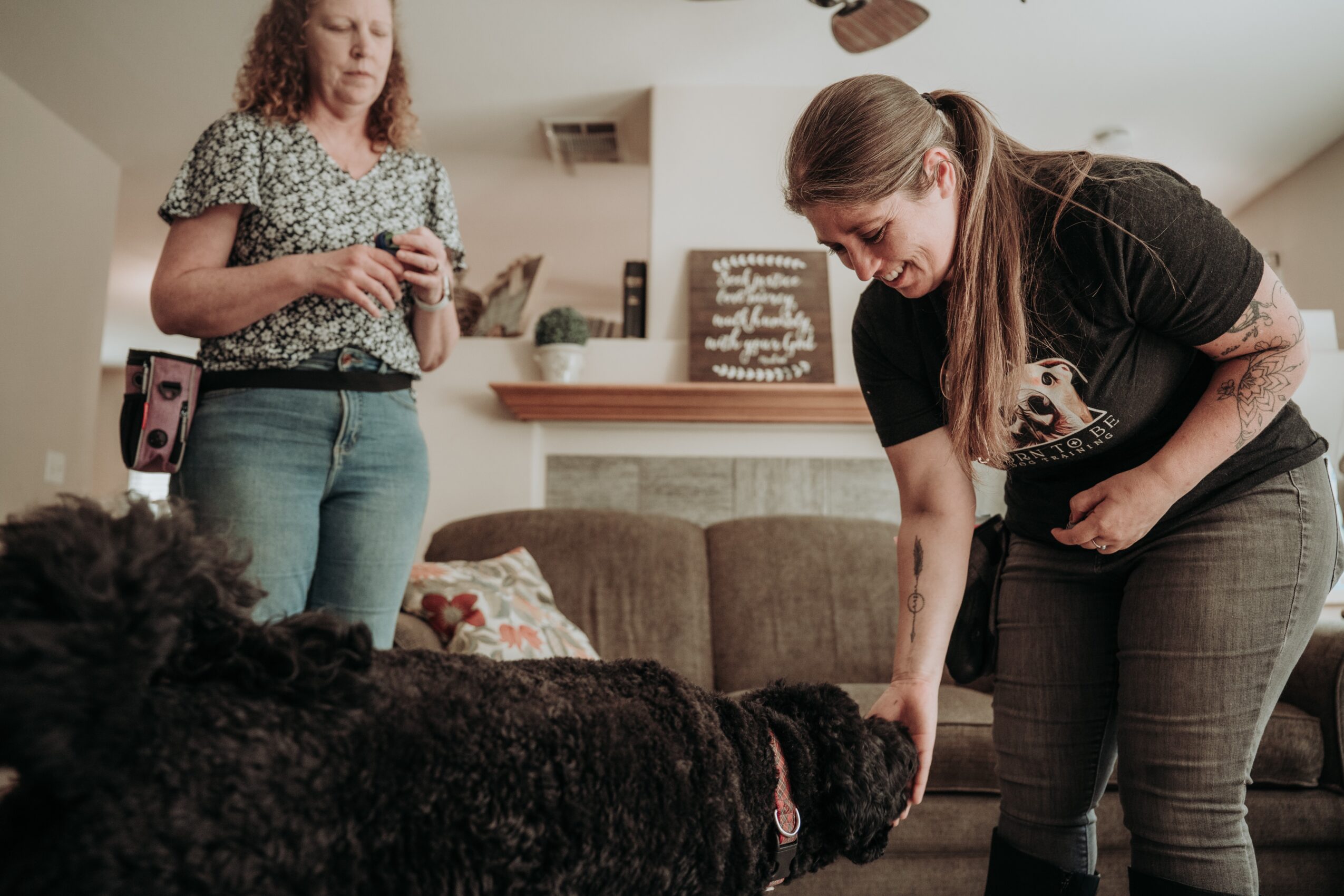
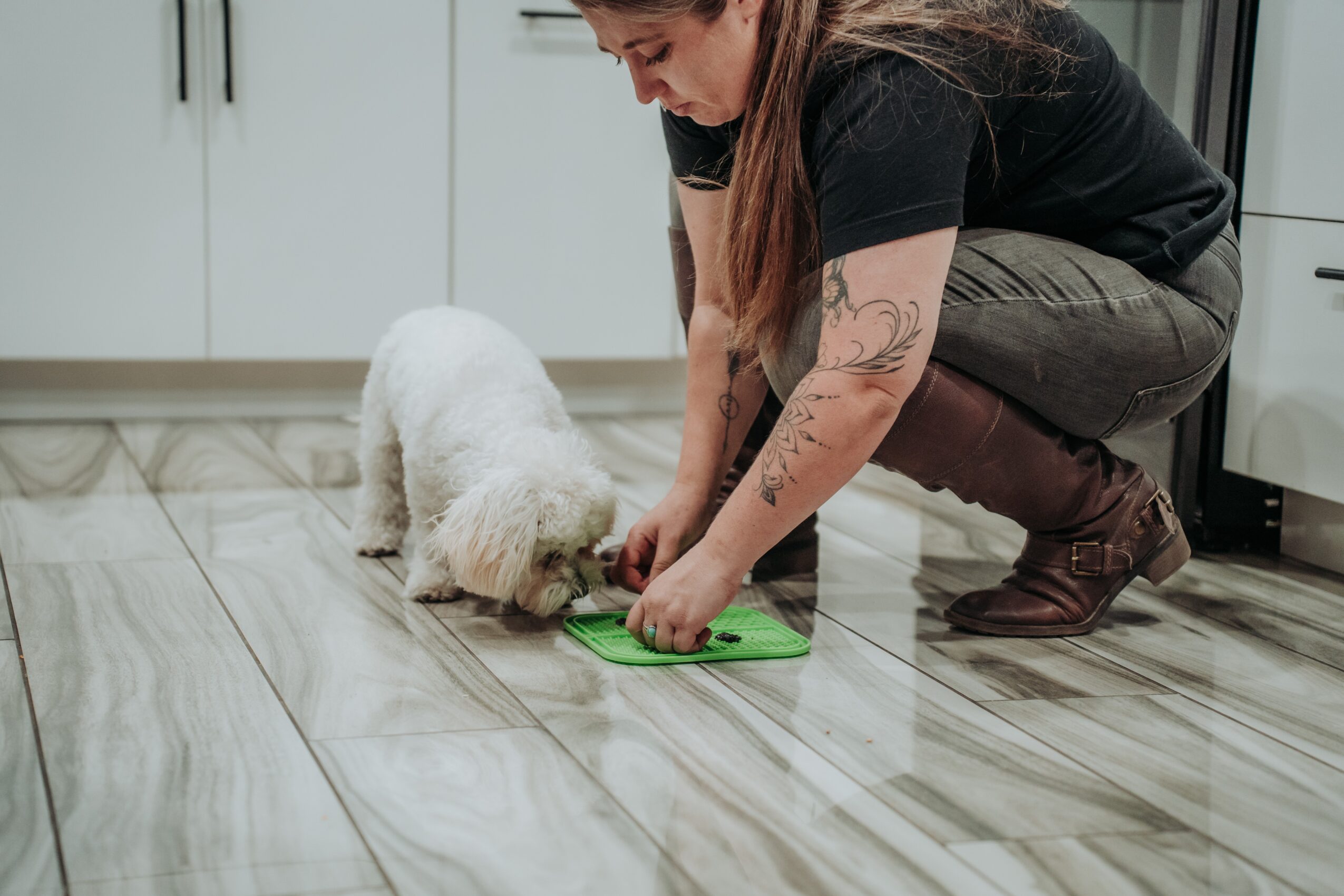
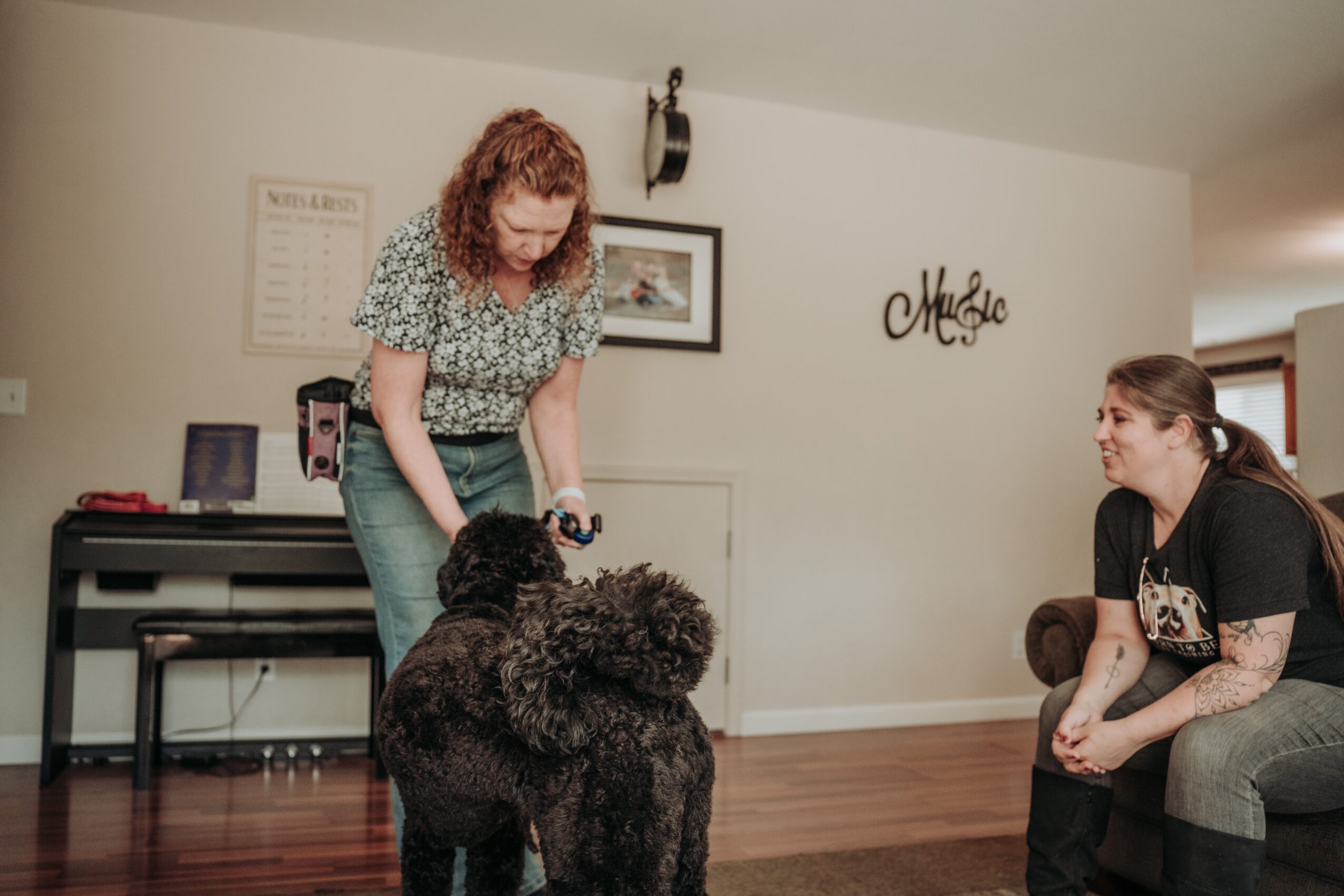
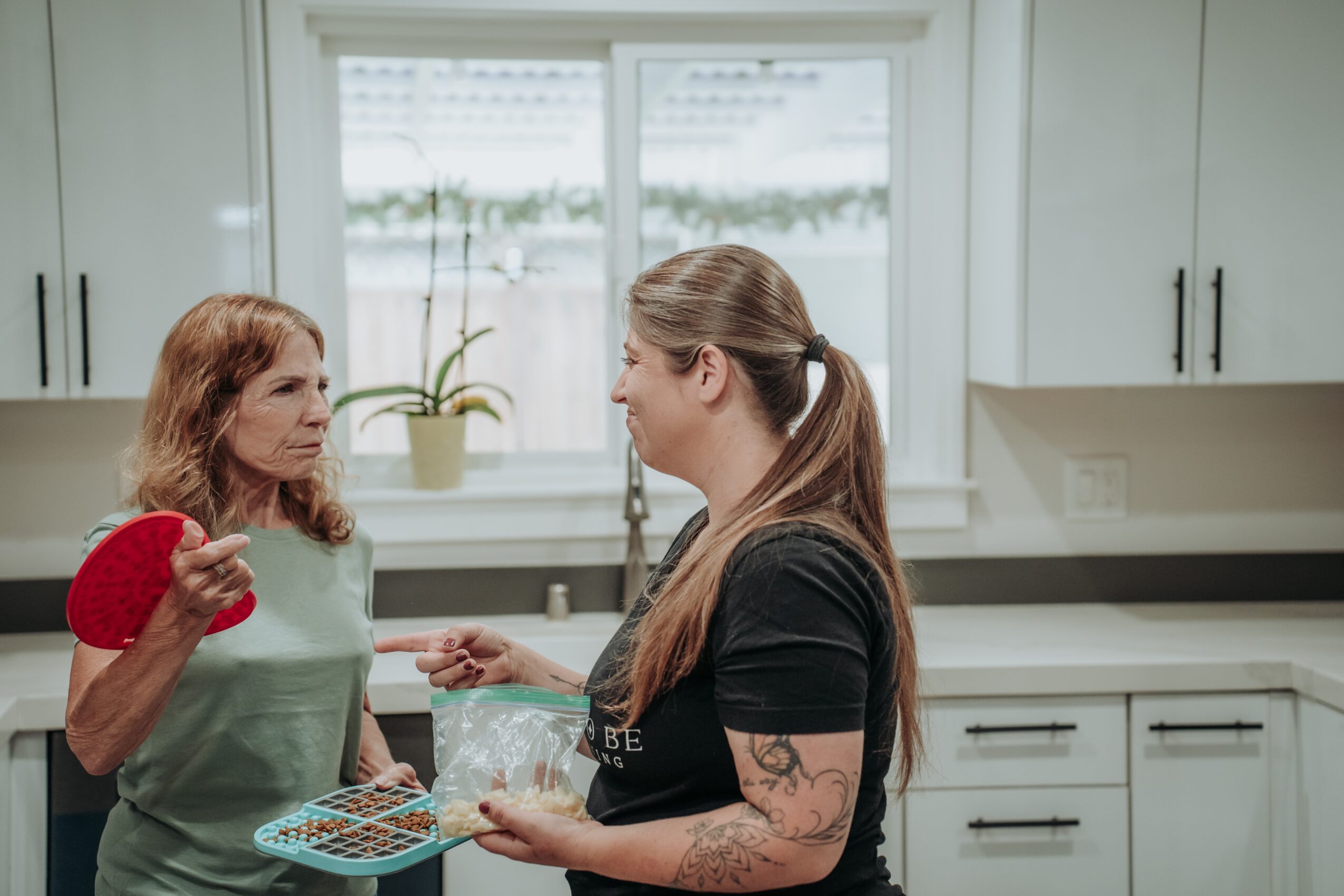
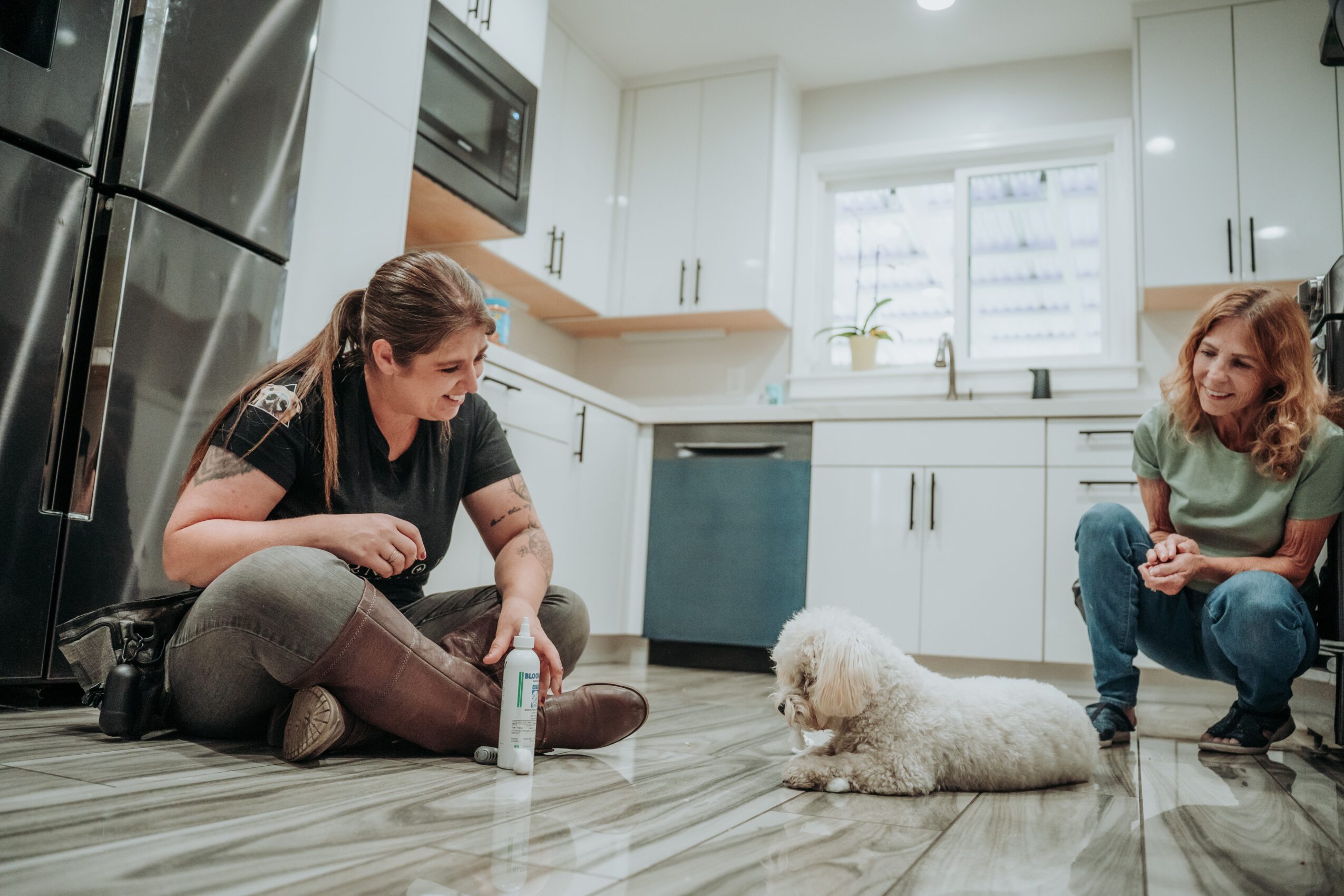
I specialize in relationship-building. What the dog training world often calls “behavior modification,” I tend to look at through the lens of the relationship between the dog and their human. Of course we’re addressing things like reactivity, fear, anxiety, or aggression — but I’m not coming into someone’s home to “fix” their dog and call it a day. I always say dog training is 90% human training. There is so much for us to understand about how dogs communicate, what they need, and how our own expectations and preconceived ideas affect that relationship. My job is as much about teaching and supporting the humans as it is about working with the dog. Behavior modification is the result of the work we do together.
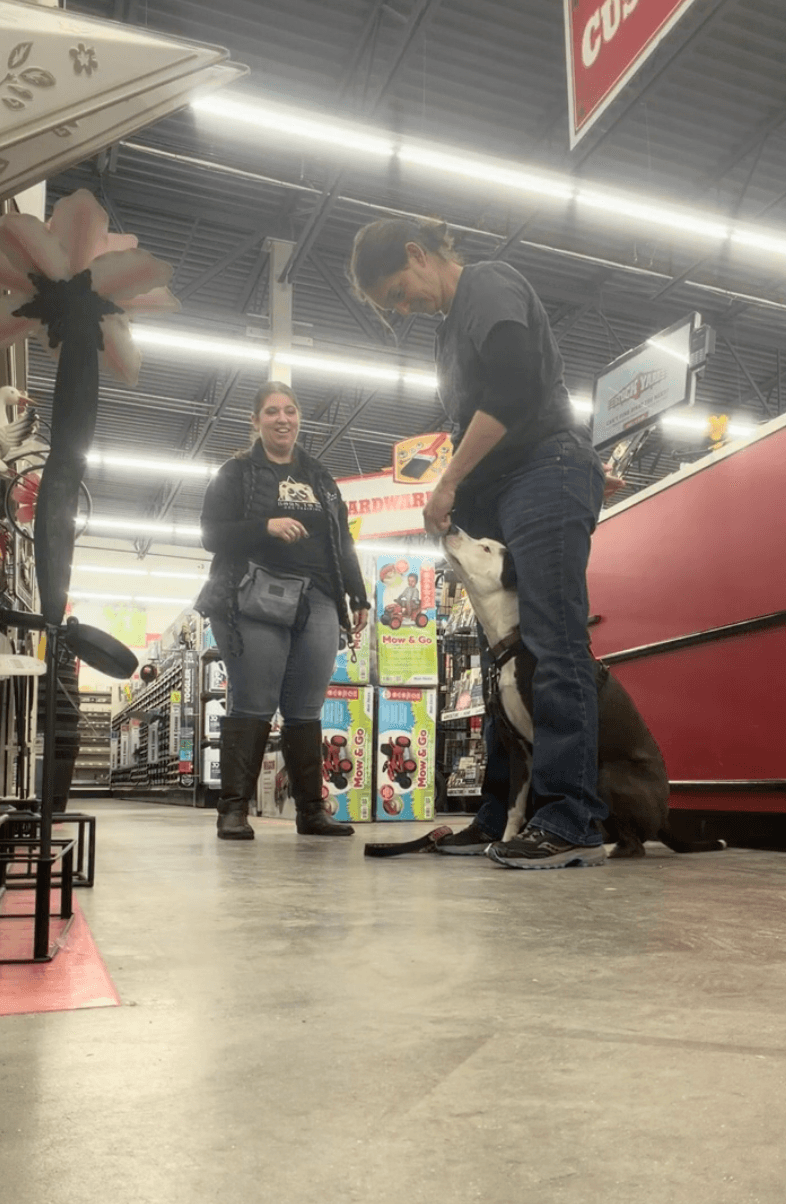
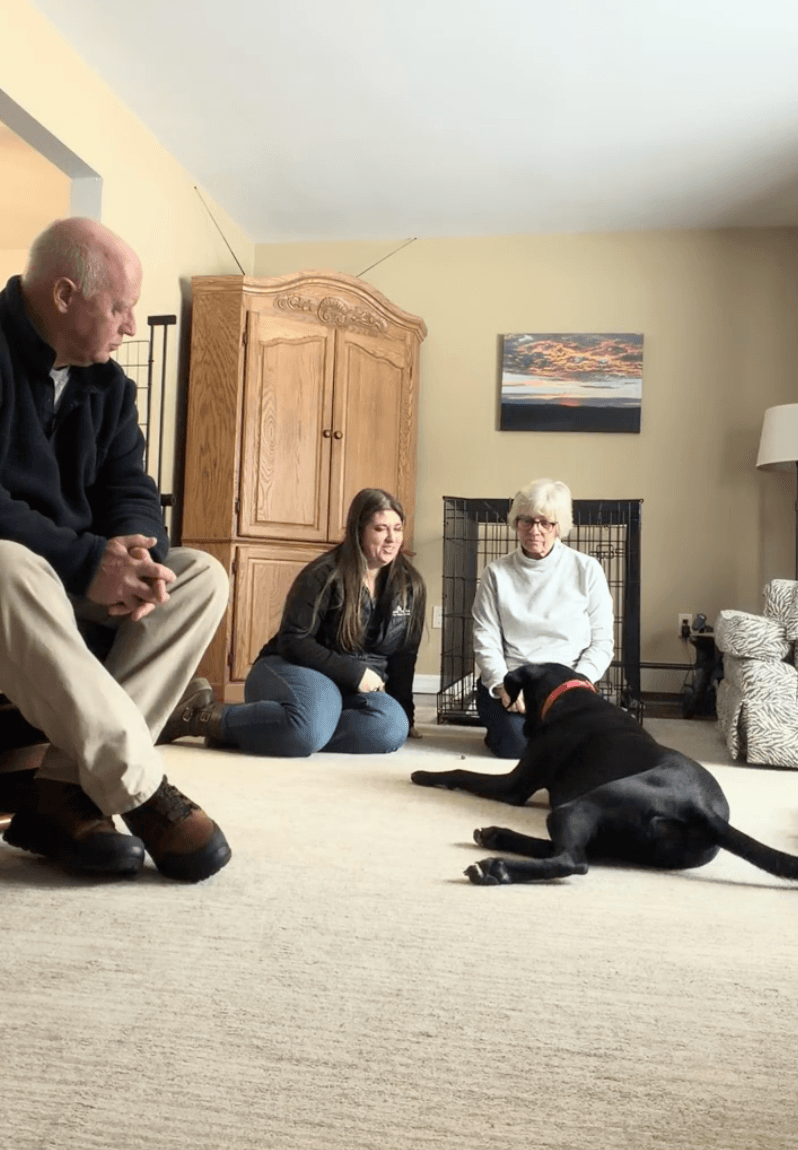
A lot of my work involves more complex behavior cases — families who love their dog deeply but are overwhelmed, don’t feel safe, or are starting to wonder whether they can keep living this way. Many have already tried other trainers and still feel stuck. I also work a lot with puppies, which gives me the opportunity to help families build that relationship from the beginning and create a strong foundation before small problems become bigger ones. I work in-person throughout Morris, Essex, Sussex and Union counties in NJ. I also offer virtual training for clients anywhere in the US!
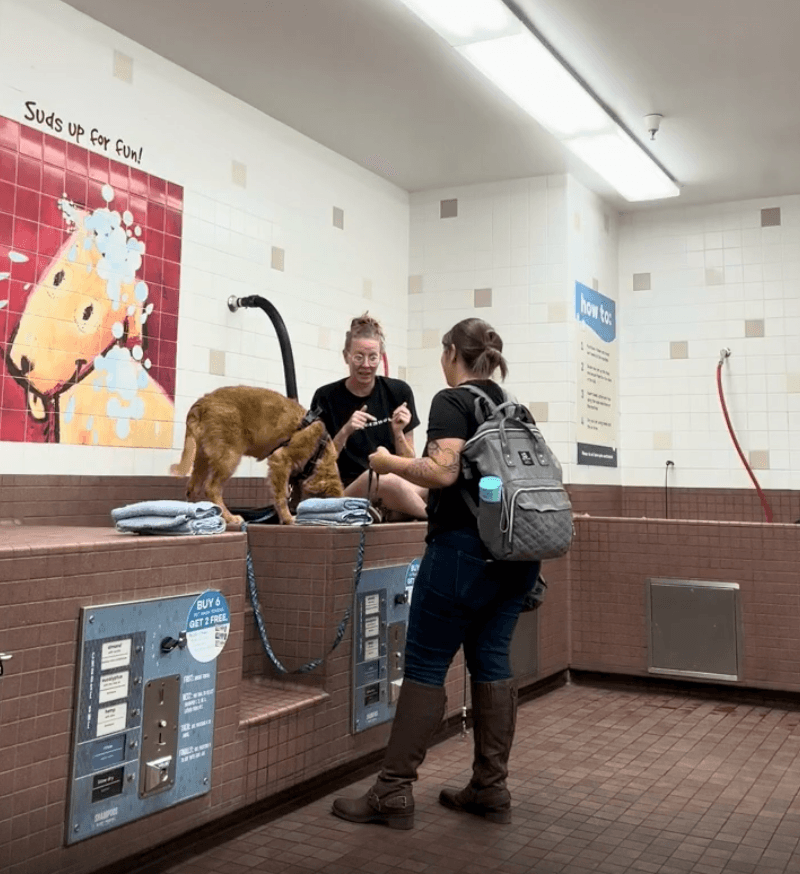
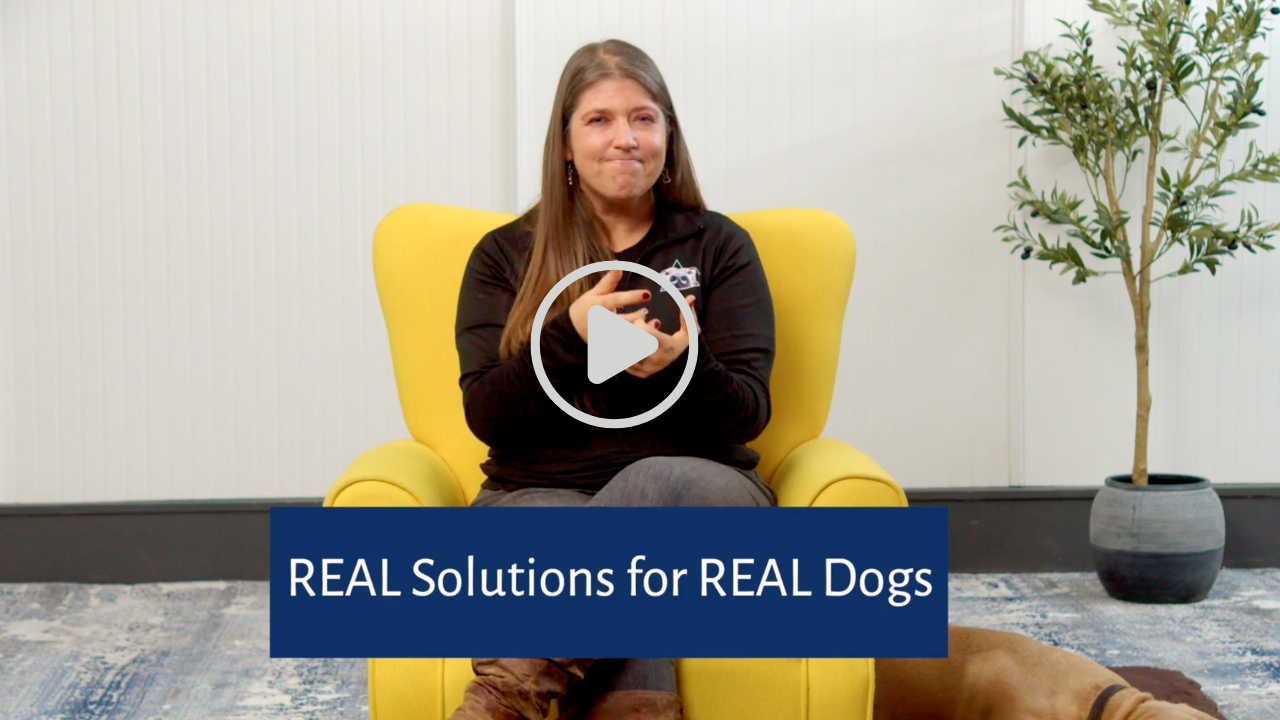
Being Deaf also sets me apart, but it doesn’t limit who I can serve. I’m fluent in American Sign Language (ASL), which allows me to serve the Deaf and Hard of Hearing community — a community that isn’t always represented or accommodated in the dog training world. I work with Deaf dogs, and I also work every day with hearing, non-signing clients and hearing dogs. I’m proud that my business allows me to work with people from all walks of life and meet each person and dog where they are.
I’m also really proud of the educational resources I’ve been able to create. I developed an online dog training academy with mini-courses designed to be fully accessible to Deaf, Hard of Hearing, and hearing learners. The course is taught in ASL with spoken English, closed captions, and ASL access for portions featuring hearing guest speakers. To my knowledge, it’s the only online dog training course of its kind offered in ASL. I also partnered with Neika Smessaert of Vet Tech Coach to publish the Puppy Progress Planner, a 12-week puppy training plan available on Amazon.
What I’m most proud of is creating a business where people can come for help when things feel hard. Behavior struggles can be incredibly isolating, and many families reach out feeling embarrassed, scared, judged, or like they’ve somehow failed their dog. I want Born to Be to be a place where they can feel supported instead — where we can look at what’s happening without judgment, figure out what their dog needs, and help them move forward together.
Where do you see things going in the next 5-10 years?
I can’t predict the future, but I can hope for some things!
I hope the dog training industry continues moving toward more humane, evidence-based, positive-reinforcement training. We have a growing body of research and professional guidance showing there are welfare risks associated with aversive methods, including prong collars, electronic collars, and dominance-based approaches. We’re even seeing increased legal scrutiny, even in 2026, around some of these tools and practices. We know we can create meaningful behavior change without relying on fear, pain, or intimidation — and I hope that continues becoming the expectation rather than the exception.
I also hope we keep moving beyond the idea that training is mainly about obedience. There’s so much more value in understanding why a dog is behaving a certain way — their emotional state, health, environment, genetics, and learning history. I’d love to see continued collaboration between trainers, behavior consultants, veterinarians, vet behaviorists, and other professionals because behavior is rarely as simple as, “The dog needs more training.”
I also hope we make real progress around shelter populations and responsible breeding. Shelters and rescues are overwhelmed, and too many dogs are still losing their lives because there simply aren’t enough appropriate homes. I’d love to see shelters and rescues have greater access to behavioral support and foster resources. I’d also love to see adopters receive thoughtful matchmaking and post-adoption guidance so families and their dogs have a greater chance of success together. At the same time, we have far too many irresponsible breeders producing dogs without enough consideration for health, temperament, placement, early socialization, or what happens to those dogs long-term. I’d love to see greater accountability around breeding while continuing to support responsible breeders who are doing things well.
And I hope guardians continue feeling empowered to ask questions, advocate for their dogs, and understand that training isn’t about being perfect. It’s about learning how to work with the dog in front of you, building a relationship that feels safe and sustainable, and knowing when to ask for help. There is so much information available online now, but trying to navigate complex behavior on your own can sometimes do more harm than good — to both the dog and the relationship. There’s no shame in reaching out to a qualified professional. Sometimes asking for help is one of the best and kindest things you can do for you and your dog!
Pricing:
- Virtual Discovery Call (FREE!)
- Single Session ($225)
- 4-Session Package ($850)
- Puppy Prodigy Program ($1,350)
- Separation Anxiety Training ($350 / $700)
Contact Info:
- Website: https://borntobedogtraining.com/
- Instagram: https://www.instagram.com/borntobedogtraining
- Facebook: https://www.facebook.com/borntobedogtraining
- Other: https://www.tiktok.com/@borntobedogtraining