




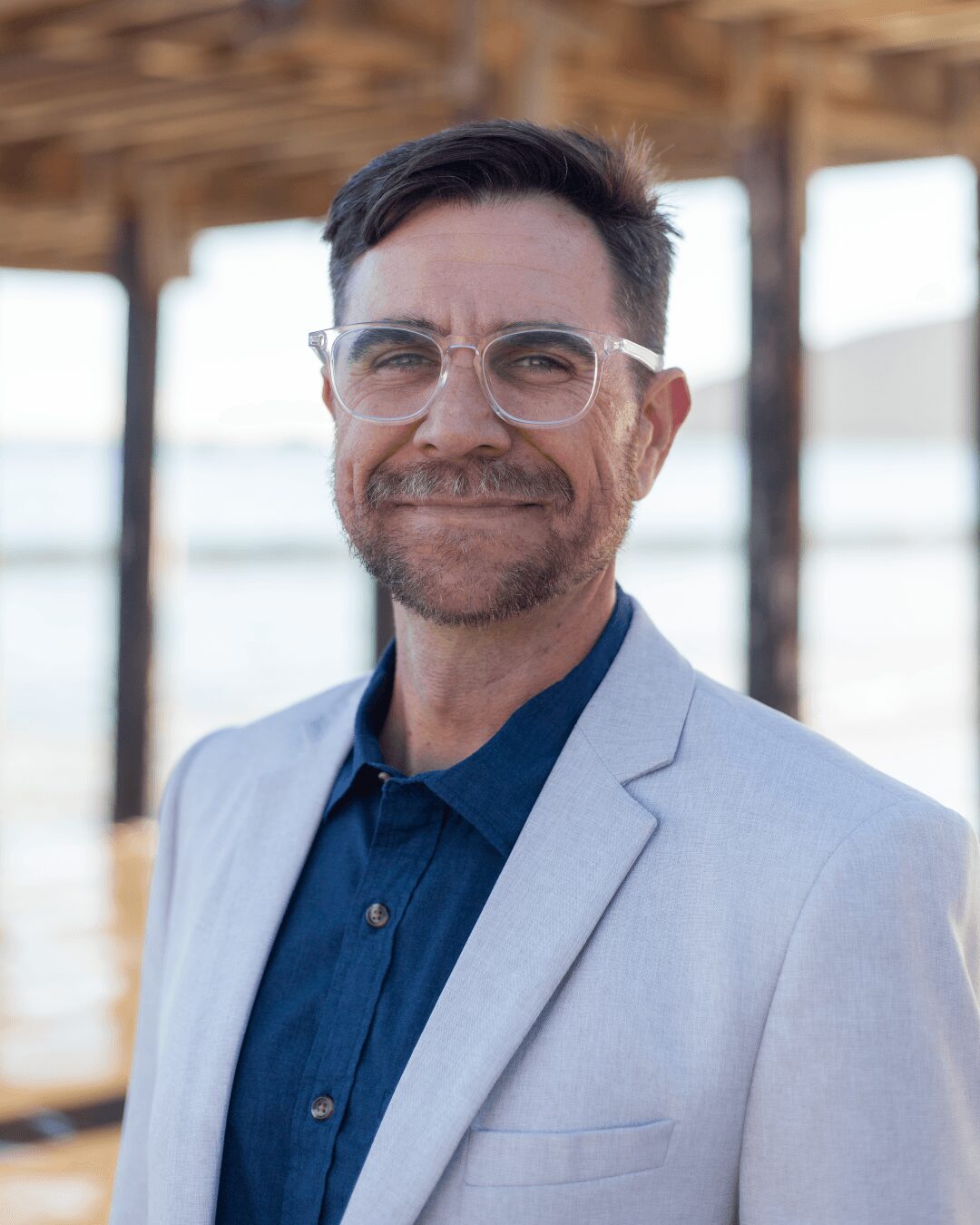
Today we’d like to introduce you to Trevor Fry.
Alright, so thank you so much for sharing your story and insight with our readers. To kick things off, can you tell us a bit about how you got started?
I took a pretty winding path to get into the software world. I worked as a CAD drafter, a slot machine technician, sold satellite internet, turned wrenches as a mechanic, and spent time in sales and support for automotive performance software. Looking back, it seems like I was always trying to understand how things worked and how to make them better, regardless of the role.
I eventually found my way into software engineering and spent a few years building and learning inside a couple of companies. That led to an opportunity to help stand up a new business unit where we were very intentional about how we built the team. Not just what we built, but how we worked together, how we ensured it was actually useful to our customers, and how we managed the work. We grew that group from a handful of people to around 25, and then quickly expanded to lead both R&D teams, scaling to 90+ people almost overnight.
That shift was less about technology and more about leadership and culture (though there were some technology differences as well). We were moving from a traditional command and control environment to something more modern and people-centered. Focusing on core values such as transparency, camaraderie, humility, while also building ambition. Creating clarity, building trust, and giving teams the structure they needed without slowing them down. We also went through an acquisition during that time, which added another layer of complexity; new tools, new expectations, and a constant need to decide what to adopt and what to protect.
After that, I joined a smaller digital agency where I led engineering across multiple client projects. That’s where I really started to see the same patterns show up across different companies. Misalignment between business goals and technical execution, teams working hard but not always in the right direction, and leaders feeling like the whole thing was a bit of a black box.
That’s what ultimately led me to what I do now. I work as a fractional CTO, helping companies bring structure and clarity to their technology. My role is to make that black box more predictable so founders and leaders can stop managing the work and start leading their business.
We all face challenges, but looking back would you describe it as a relatively smooth road?
For a long time, my approach was basically to say yes to everything thrown at me. Take on whatever was in front of me, regardless of whether it was something I actually wanted or something I was even wired to do well. That worked for a while, but it came at a cost. I was trading my mental health for progress, just trying to climb the next rung on the ladder.
It took me years to recognize that not all work is equal for me. There are things I genuinely enjoy and do well, and there are things that drain me quickly and lead to burnout.
Tech, in general, can be a tough environment. Long hours, constantly shifting priorities, and the pressure of keeping fragile systems running. A lot of teams are operating inside what I’d describe as “rat’s nest” systems, held together with duct tape and good intentions. That puts a real weight on the people responsible for them. As an engineer, it can feel like diffusing a bomb with the timer counting down while everyone is yelling at you to go faster.
I definitely felt that. Burnout was a real part of my journey, and to some degree, it still creeps in from time to time.
Over time, I’ve worked to better understand what fills my tank versus what drains it. That’s led to being more intentional and transparent about the work I take on, the environments I step into, and how I lead. That shift is a big part of why I do what I do now. Helping others build better practices, teams, and cultures so they, and their teams, don’t end up in the same place.
Great, so let’s talk business. Can you tell our readers more about what you do and what you think sets you apart from others?
Tell us more about your business. What should we know?
Most founders start their companies with a clear vision for a product, but over time, they find themselves stuck inside what I call a “technical black box.” They’re investing heavily in development, often $20k a month or more, but they’ve lost visibility into what’s actually being built and whether it’s moving the business forward.
My practice exists to give that clarity back to the people who need it most.
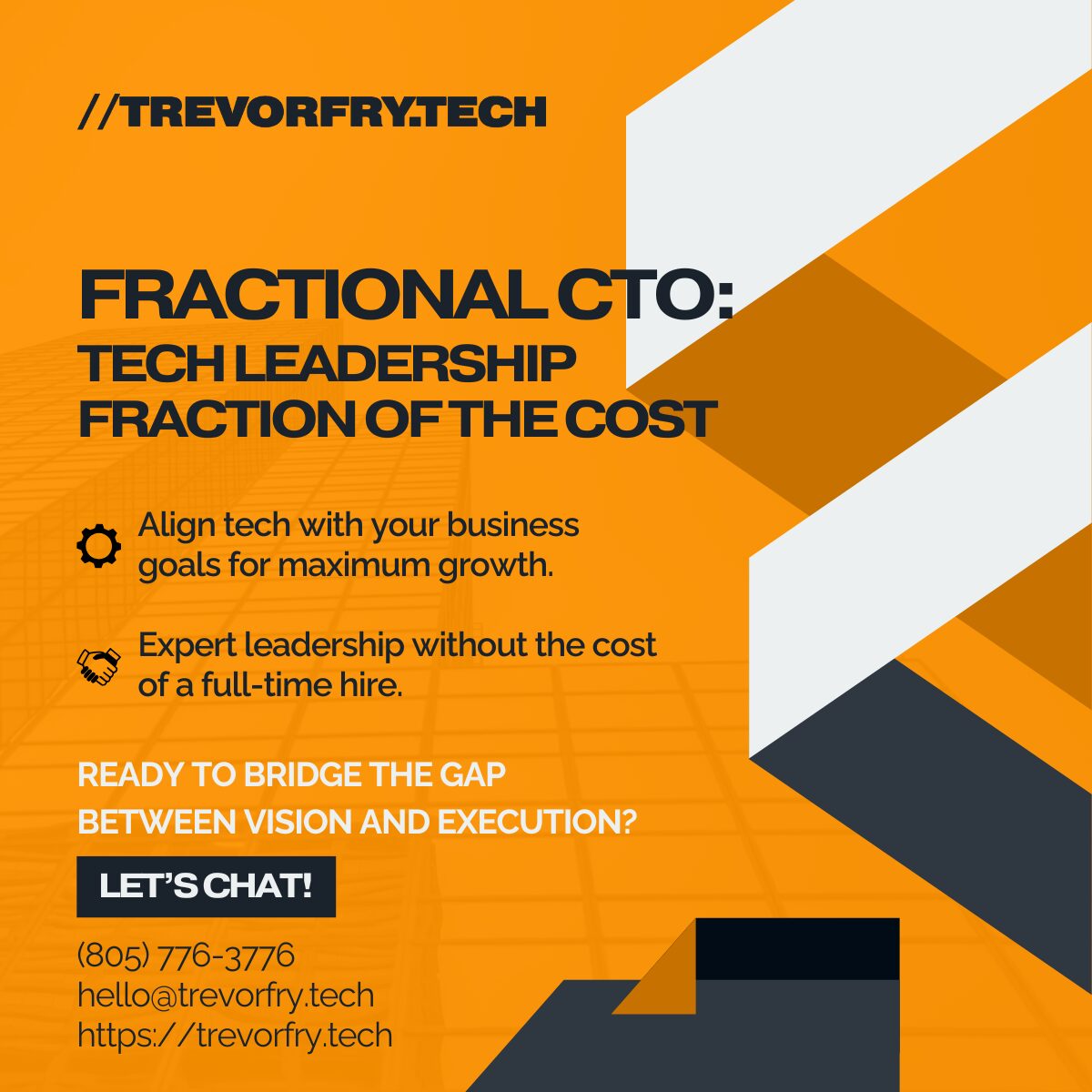
I work as a Fractional CTO, stepping in to bridge the gap between business strategy and technical execution. The goal is to turn what feels like a chaotic development process into something predictable, understandable, and aligned with the business.
What do you do, and what do you specialize in?
I focus on what I call Technical Structural Integrity.
A lot of work in this space focuses purely on code, but most scaling issues don’t come from code alone. They come from gaps in strategy, operations, and governance. That’s where I spend my time.
I’m typically brought in when things start to feel off. Timelines slip, quality drops, communication breaks down, and leadership starts to lose confidence in the system. My role is to step in, assess what’s really happening, and put the right structure in place so the team can execute with clarity again.
What sets you apart from others?
Pattern recognition, but also a people-first lens.
After years of working across startups, agencies, and enterprise environments, I’ve seen the same problems show up in different forms. That allows me to quickly identify where things are breaking down and why.
A lot of technical leaders try to solve every problem with code. In reality, many of the issues I see aren’t technical at all. They’re communication gaps, unclear expectations, or misaligned incentives. Sometimes the right answer isn’t to build something new, it’s to simplify, or even to keep something manual if the return doesn’t justify the complexity.
I tend to look at systems the way a mechanic looks at an engine, but I also pay close attention to the people operating it. How the team communicates, how decisions are made, and whether the structure is helping or quietly creating friction.
That combination is what allows me to not just fix what’s broken, but to create an environment where the team can actually perform at a high level.
What are you most proud of brand-wise?
Clarity.
In an industry that often hides behind jargon and complexity, I’ve built my brand around making things understandable. Clients don’t hire me just to “improve their tech.” They hire me to regain confidence in how their business is being built.
When a founder tells me they feel like they can step back and lead again without constantly worrying about what’s happening under the hood and truly trust their team, that’s the outcome I care most about.
What do you want readers to know about your brand/offerings?
Code is becoming easier to produce. Leadership and structure are still the constraint.
My work is designed to help companies move from reactive, fire-fighting environments to something far more stable and intentional.
That usually starts with a diagnostic to understand what’s actually happening beneath the surface. From there, it’s about putting the right systems, rhythms, and expectations in place so teams can operate without constant intervention.
The end goal isn’t just better technology. It’s a business that can rely on its technology.
Do you have recommendations for books, apps, blogs, etc?
I’ve found that most tools are just that, tools, not solutions. If the underlying system or mindset isn’t right, no app or platform is going to fix that. Because of that, I tend to stay pretty tool agnostic and focus more on principles than specific products. That includes AI. It won’t solve your problems, but it can absolutely accelerate your processes, for better or worse.
On the book side, a few have stuck with me over time. Creativity, Inc. was one of the first that really shaped how I think about leadership, especially around creating an environment where people can do their best work. Let My People Go Surfing reinforced the idea that strong businesses can still be deeply human and values-driven. Good to Great highlights the importance of discipline and having the right people in the right roles. And Four Thousand Weeks was a good reminder that time is finite, which has changed how I think about priorities and where I spend my energy.
More than anything, I rely on real-world observation. Most of the challenges I see in business and technology aren’t technical problems, they’re human ones. Paying attention to how teams communicate, how decisions are made, and where things start to break down has been more valuable than any single resource.
If I had to summarize it, I focus less on finding the perfect tool and more on applying a few core principles consistently: clarity, accountability, and communication.
Contact Info:
- Website: http://trevorfry.tech
- Instagram: https://www.instagram.com/trevorfry.tech/
- LinkedIn: https://www.linkedin.com/in/trevorfry
- Other: https://bytesizedmusings.substack.com/