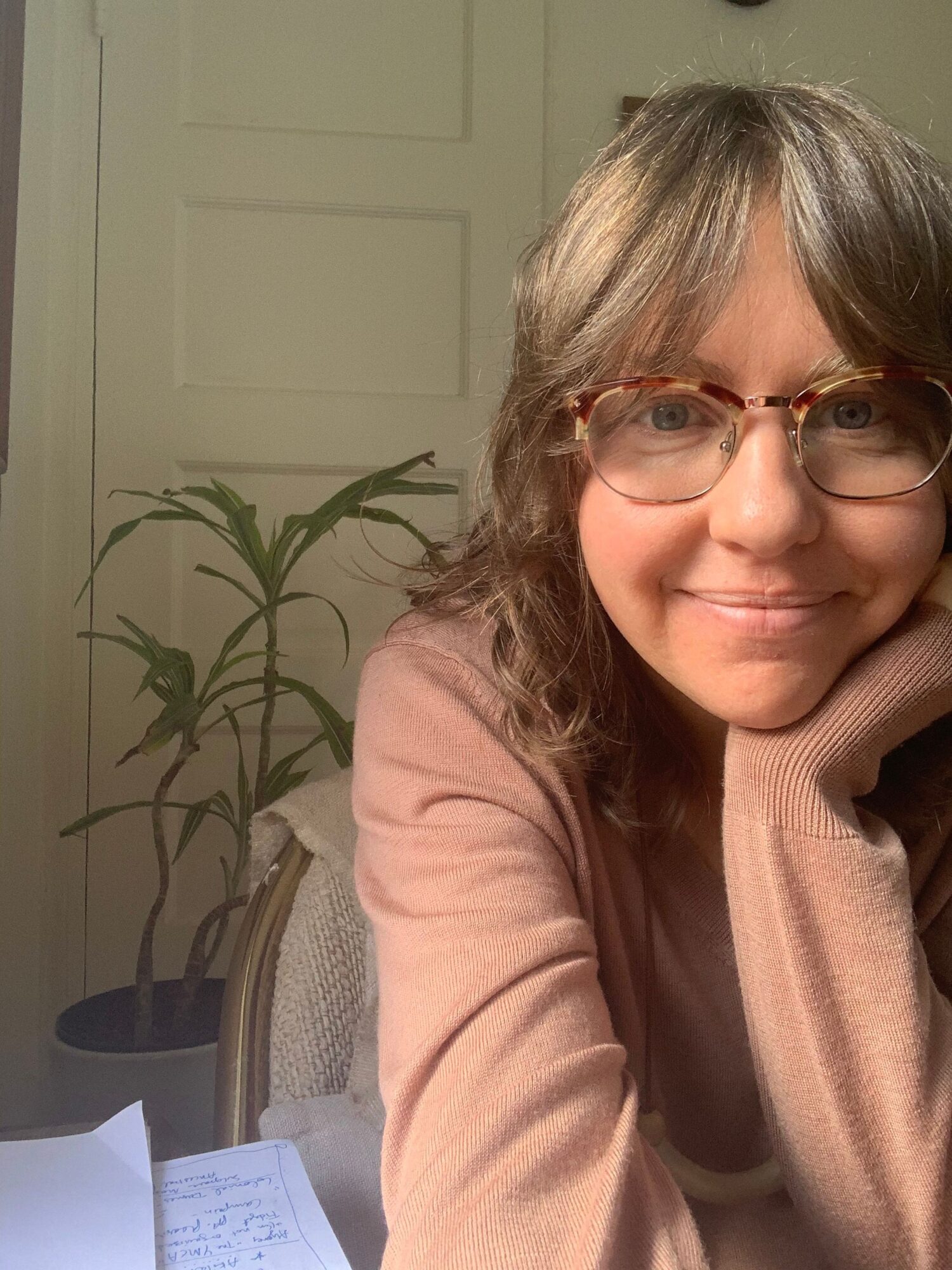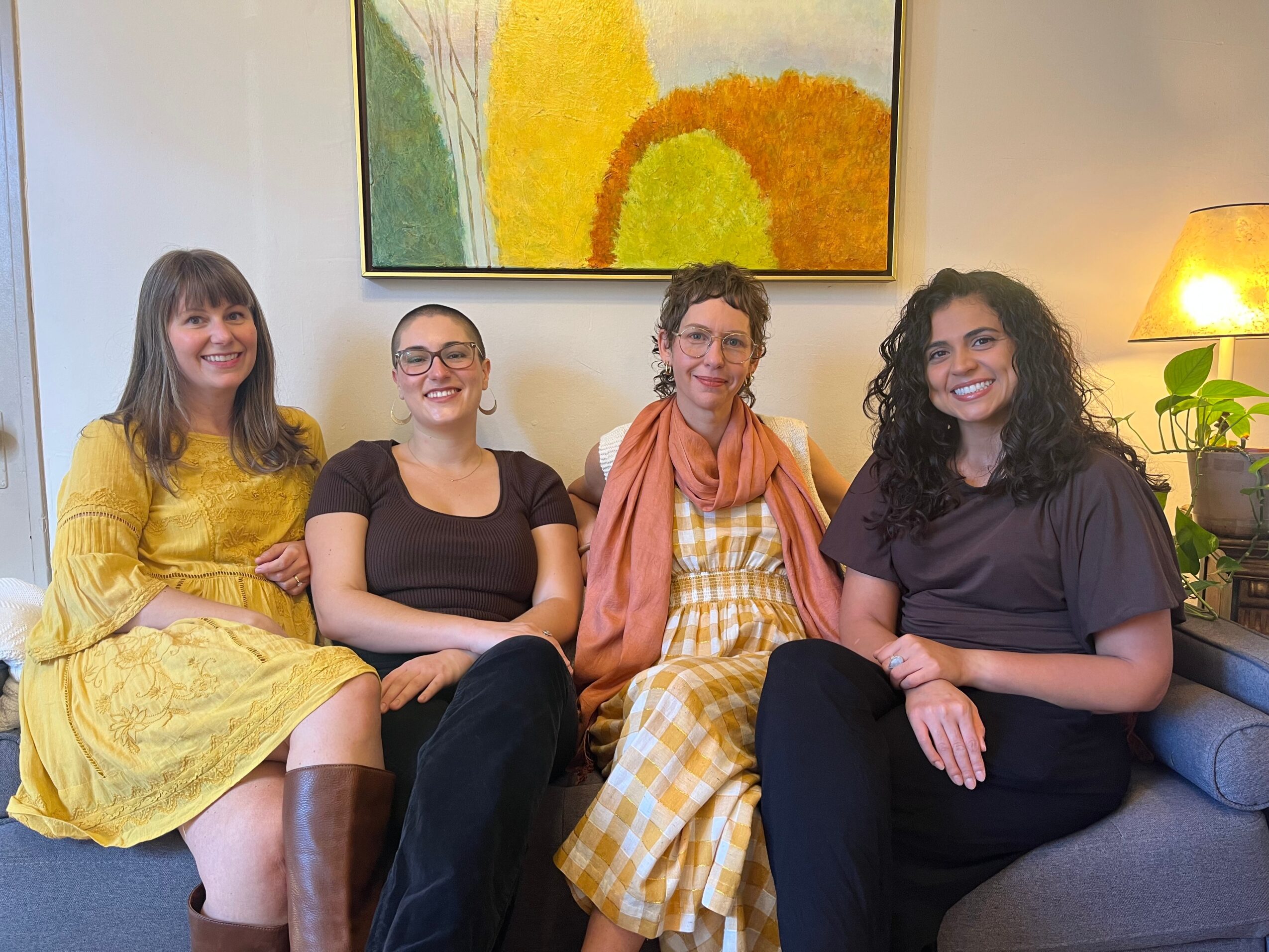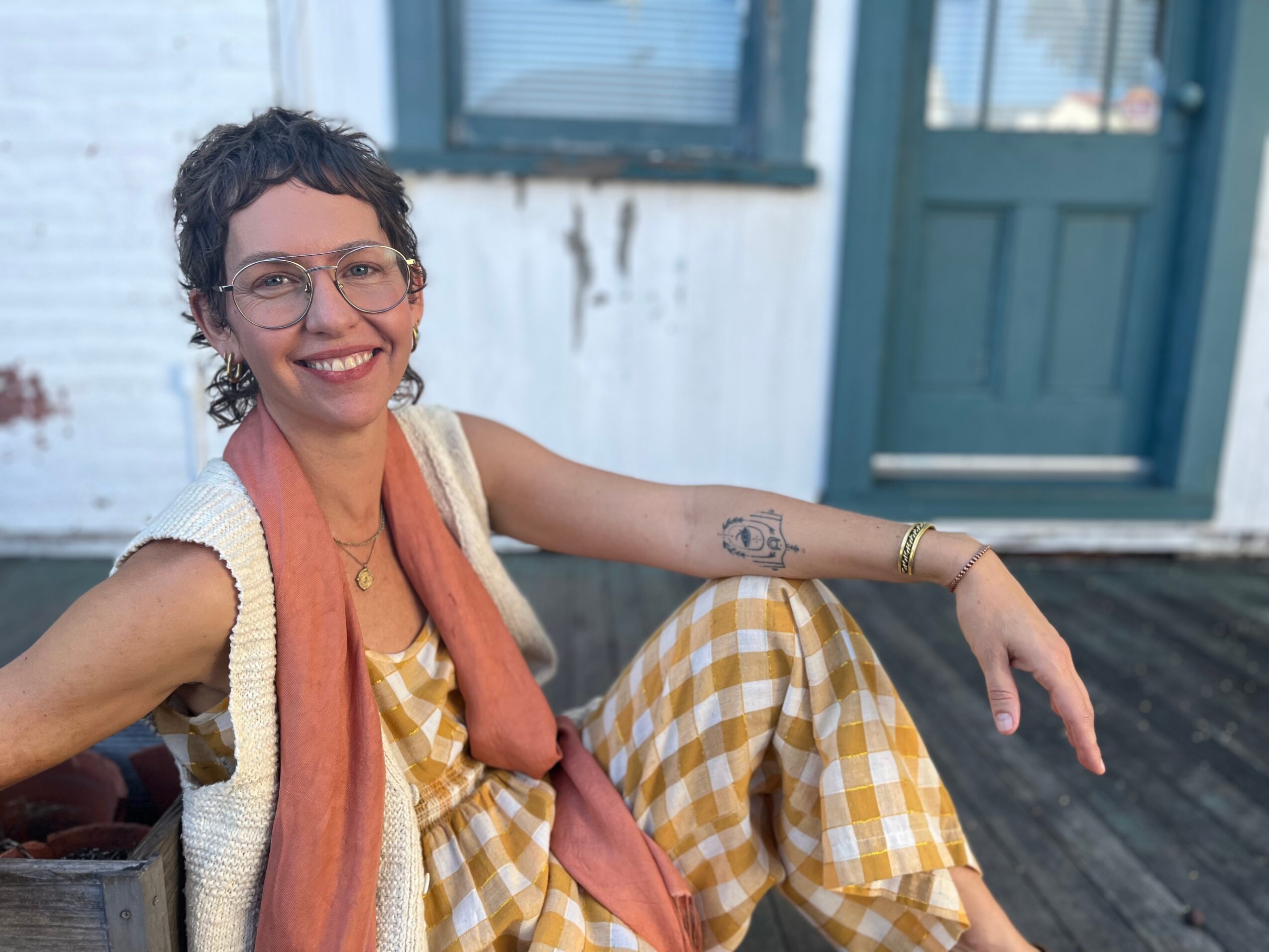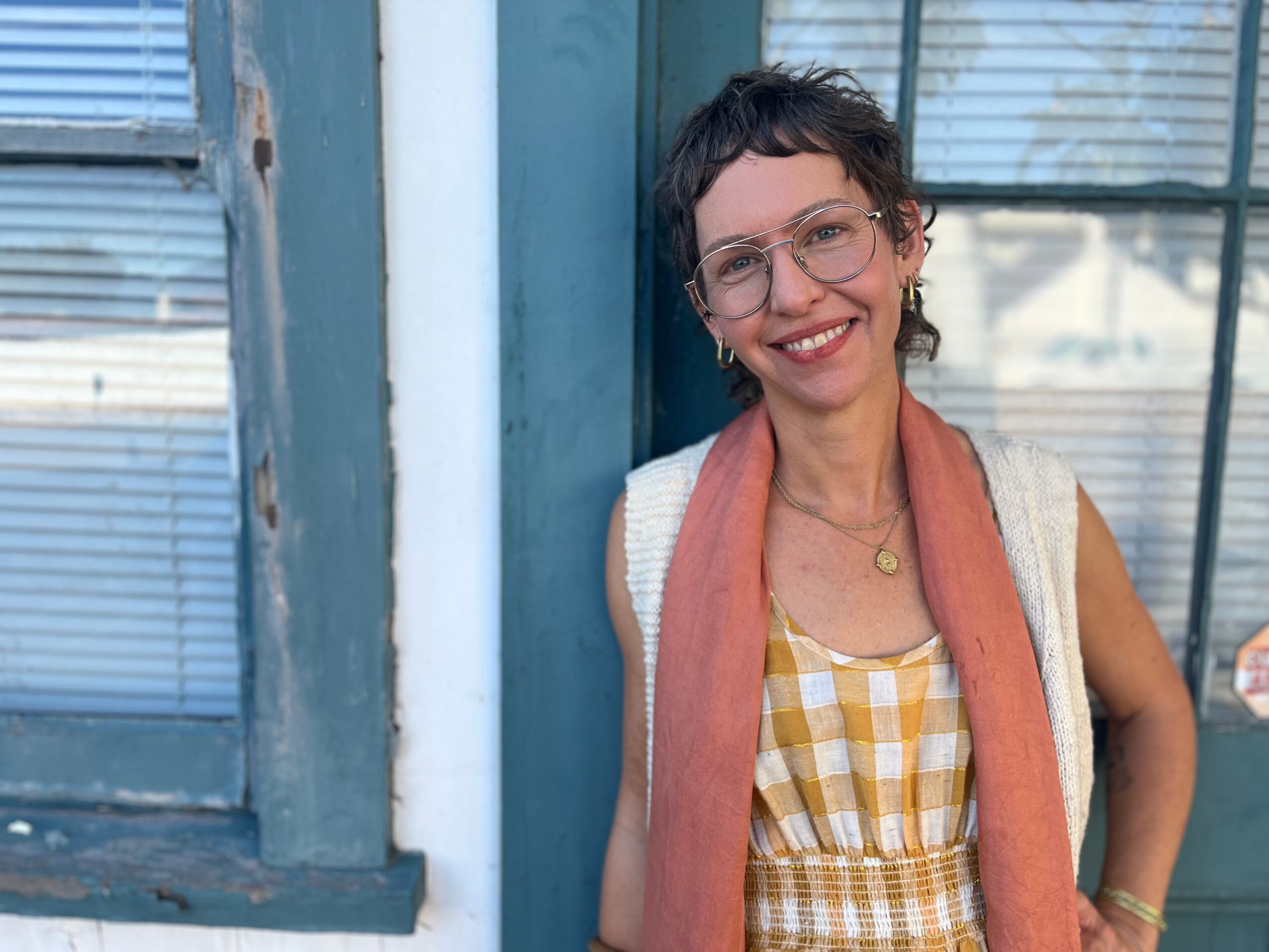





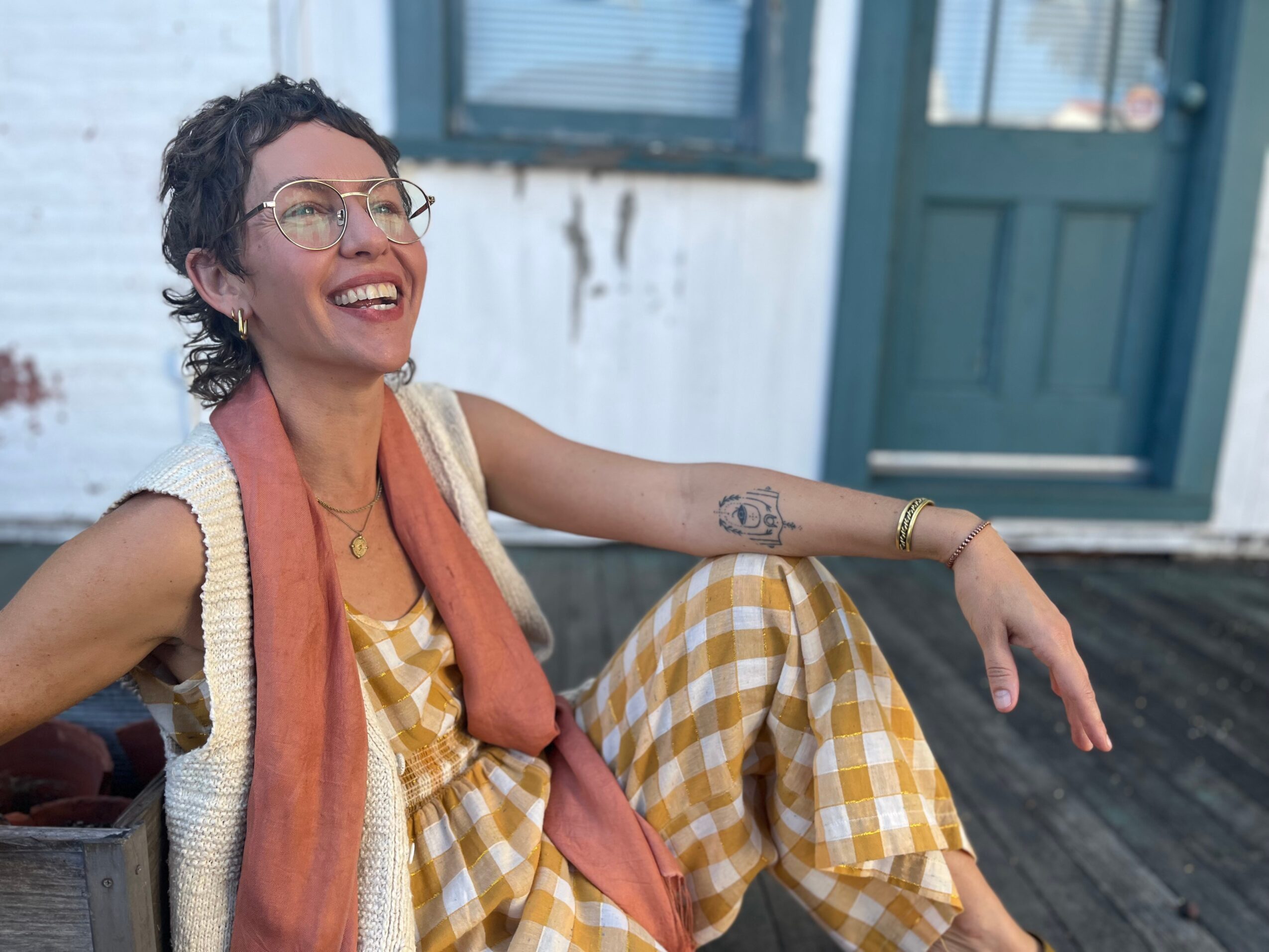
Today we’d like to introduce you to Danielle Norlinger.
Alright, so thank you so much for sharing your story and insight with our readers. To kick things off, can you tell us a bit about how you got started?
I am a licensed Marriage and Family Therapist and the owner of In-Depth Therapy Inc., a depth-oriented group psychotherapy practice in Santa Barbara, California. I’ve been licensed for ten years, during which time I’ve built a full-time private practice and, more recently, expanded to include three associate clinicians. It blows my mind that I’ve arrived at a place where I’m a business owner and entrepreneur, when my original goal was simply to become a damn good therapist.
I decided to go to graduate school when I was 26, namely because I realized I wanted to be someone who could afford to eat at a restaurant, not just work in one. After graduating from Sarah Lawrence College, where I’d studied Painting, French, and Post-Colonial Studies, I spent several years struggling with depression and trying to figure out what to do with my life. At a loss, I sat down with my mother, who instructed me to write down my top ten ideal jobs. I remember putting “Head of the International Monetary Fund” somewhere near the top, with “maybe a lawyer?” further down the page. She crumpled up my list, threw it on the floor, and told me to describe my perfect day instead.
I wrote something about waking up and reading the newspaper (which I never actually did, but liked to imagine myself doing), going to work and having deeply meaningful conversations, being my own boss, and getting home in time for dinner with my children (whom I also didn’t have yet). My mother looked at my list and said, “You want to be a therapist.”
I wasn’t thrilled. My father had recently become an LMFT, and it didn’t sound like a particularly sexy career. I’d imagined making some grand international impact, not sitting in a room with one person at a time. But I had to admit that connecting with people, talking deeply about their experiences, and trying to understand the human condition were at the core of everything I’d ever loved doing.
I moved back to California from Brooklyn and eventually found myself at Pacifica Graduate Institute, in my hometown of Santa Barbara. I was hooked from the first presentation. Unlike the other schools I’d visited, Pacifica spoke about mental health in terms of mystery, the unconscious, and soul. The part of me that had always yearned to understand the world felt like it had found a place to keep exploring.
I’d begun my own therapeutic work a few years earlier, and eventually completed six years of Jungian analysis with a therapist who changed my life. My commitment to my own psychological development has been central to my professional life ever since.
The practical business of becoming a therapist, however, was another story. At the time, the 3,000 supervised hours required for licensure were largely unpaid. I worked at a community mental health clinic during the day, primarily seeing Spanish-speaking clients, then went home, took a power nap, changed clothes, drank a double espresso, and worked at a restaurant until midnight. I also began teaching at Pacifica and gradually built a small private practice caseload.
When I finally became licensed in 2016, I was simultaneously a professor at Pacifica, a therapist, and a waitress at a high-end Italian restaurant. On a handful of occasions, a student or former client would show up at one of my tables, and I’d take their order and bring them pizza. It was a strange experience, moving between professional roles that inspire a certain degree of idealization and one that is often regarded as menial labor.
I left the restaurant industry about five months after getting licensed, but continued juggling several counseling and teaching positions while building my private practice. At one point, I was fired from a school counseling job. Shortly beforehand, a mentor had looked me in the eyes and said, “Danielle, if you get fired from that job, you will build a thriving, full-time private practice. Don’t be afraid.”
I wasn’t convinced. I had a small caseload in Santa Barbara and another practice location in the Santa Ynez Valley, where there were fewer therapists. I couldn’t imagine supporting myself entirely through private-pay therapy in Santa Barbara. But gradually, through referrals, professional relationships, and a lot of consistent showing up, the practice grew.
COVID ultimately forced me to consolidate my two practice locations into one, and by 2020 I was working entirely out of Santa Barbara. Meanwhile, my personal life was changing. My husband and I had started our family, and I began to understand how much more complicated it was to balance motherhood and a professional career than I’d imagined at 26.
Back then, I had envisioned a life where I could do meaningful work, be my own boss, and still get home in time for dinner with my children. What I hadn’t considered was who would be making that dinner, caring for those children, and managing all the domestic responsibilities that make a professional life possible.
My husband, Chris, and I have what might be considered a reversal of traditional gender roles. I’m the primary earner in our family, and Chris has taken on the role of primary parent, along with much of the domestic labor. This arrangement evolved partly out of financial necessity: my earning potential was higher, and at the time, much of what he could have earned would have gone directly toward childcare. But it also reflected the kind of family life we wanted to create. We value being present and emotionally available for our children, eating meals together, and having a home life that feels connected and intentional. Chris’s willingness to take on those responsibilities has been essential to my ability to continue growing my practice.
That doesn’t mean the arrangement has been easy or that we’ve somehow figured out how to “have it all.” I love being a mother, and I love my work, and those two parts of my life are frequently in competition. I often wish I had more time with my children, while also recognizing how much I need and enjoy the intellectual stimulation and adult relationships that my work provides. Parenting young children is incredibly demanding, and I have enormous respect for the labor involved in caring for a family. I sometimes fantasize about what it would be like if our roles were reversed, although I suspect I’d find full-time domestic life much more challenging than running a psychotherapy practice!
I’ve also had to adapt my professional life around the physical realities of motherhood. After each of my maternity leaves, I reorganized my schedule around breastfeeding, and when our first child was an infant, Chris would actually drive the baby out to my office in the Santa Ynez Valley so I could nurse between clients. Looking back, the logistics were pretty extraordinary.
I think it’s important to acknowledge this dimension of my story because professional accomplishments are so often presented as individual achievements. The reality is that my career has depended on an enormous amount of support, compromise, and unpaid labor within our family. I haven’t found a perfect balance between motherhood and career, and I’m not sure such a thing exists. But I’m grateful that Chris and I have been able to create a family life that reflects our values, even as we continue negotiating the demands of work, parenting, and our own individual needs.
As our family grew, I also had to become much more intentional about the financial side of my practice. We needed more space, the cost of living in Santa Barbara continued to rise, and I realized that loving my work wasn’t enough—I also needed to understand how to run a sustainable business. This wasn’t something my graduate training had prepared me for, and I learned a tremendous amount through experience, consultation with colleagues, and the practical necessity of supporting a family.
Eventually, I began thinking about expanding into a group practice. I missed teaching and wanted to support newer clinicians as they developed their own professional identities and caseloads. I also hoped to create more financial flexibility and, ideally, more time with my children. After nearly two years of researching, consulting with colleagues, and considering what I wanted to build, In-Depth Therapy Inc. took shape.
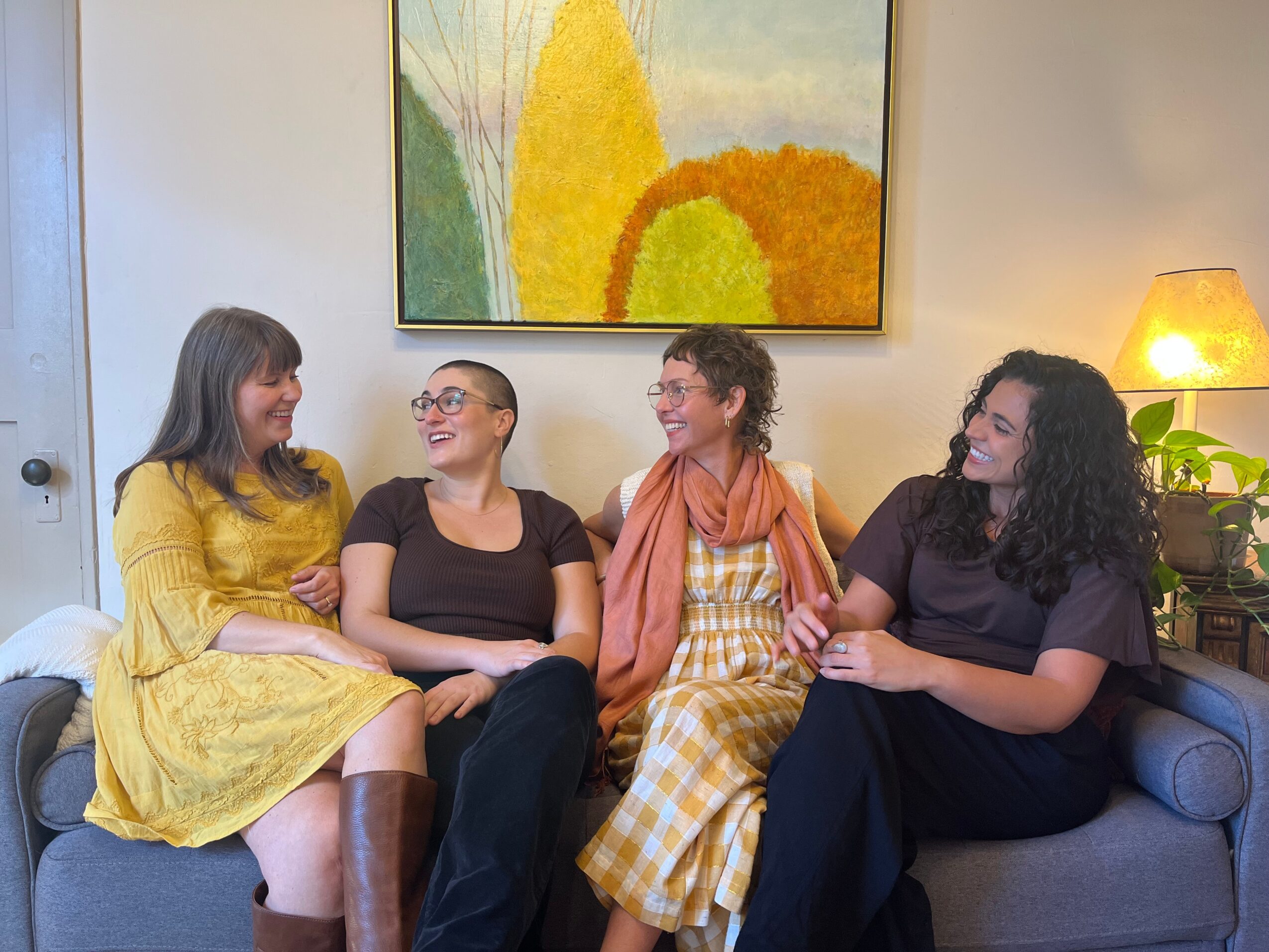
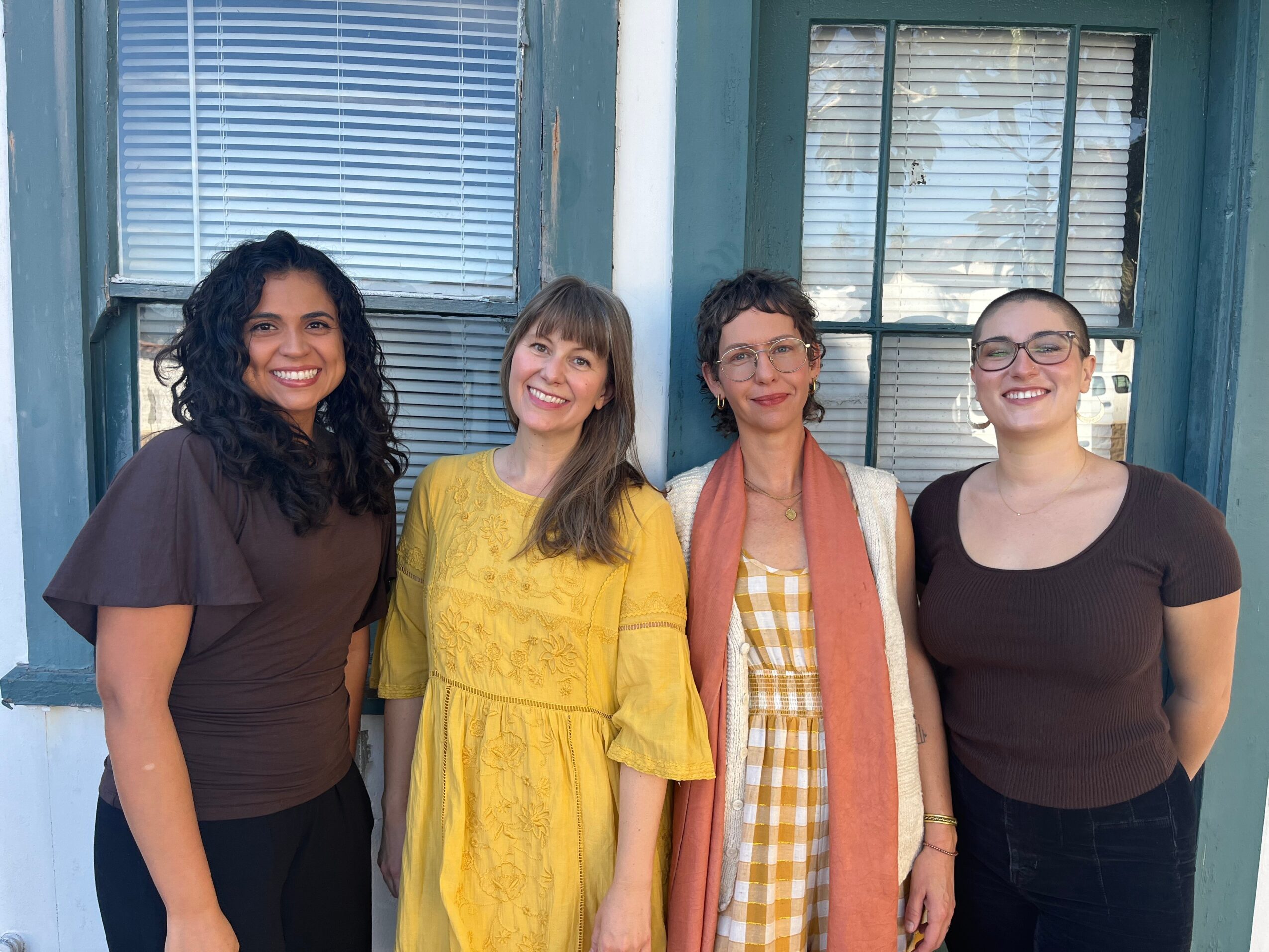
We’re still growing into our identity as a group practice, but we share a commitment to emotional safety, integrity, and realness. Each of the clinicians at In-Depth brings their own experiences, specialized training, and perspectives to the work, including areas of expertise that I don’t have. Alania is a first-generation Latina who offers bilingual counseling to teens, young adults, and couples. Talia is queer, and in addition to her work with LGBTQIA+ clients and creatives, she brings specialized knowledge about treating OCD through a depth-psychology lens. Gretchen is an opera singer (full bore!) and mother of two little ones, and she specializes in working with creatives and supporting clients through the perinatal and postpartum periods. All of that is part of what excites me about expanding the practice! Together, we’re able to offer something far more diverse and expansive to our community than I could provide on my own.
I hope to create a professional environment where we can learn from one another, where associates feel supported in developing their own clinical identities, and where thoughtful supervision and ongoing personal development are valued as essential parts of becoming a therapist. I also want to pass along some of the hard-won practical knowledge I’ve gained about building a sustainable private practice, particularly the importance of developing relationships and a reputation for good work within our professional community.
My original ambition was simply to become a good therapist, and that remains central to my professional life, although my understanding of what that means has evolved. Ten years later, I’m increasingly interested in the capacity to remain curious, accountable, and present even when I make mistakes or encounter my own limitations. This is especially alive for me in the women’s interpersonal process group I facilitate. Group work makes you work!
What excites me most about In-Depth now is that it’s no longer just about what I have to offer as an individual therapist. It’s about creating a community of clinicians who bring their own particular gifts, experiences, and perspectives to the work, and who can continue learning from and supporting one another as we grow.
We all face challenges, but looking back would you describe it as a relatively smooth road?
Definitely not! I’ve been fired, over worked, underpaid. I had some truly sub-par supervision (unethical, emotionally harmful, confidence-ruining supervision, from therapists who did not ‘do their own work’ and were not safe teachers for me). I was deeply fortunate to encounter a solid supervisor (who has become my mentor of 15+ years), and it was only through working with her that I discovered what had been missing from my earlier experiences.
Being pregnant, figuring out how to fund my own maternity leave (twice! Read: draining all of my savings), figuring out how to make enough income to support my family post-partum while nursing and being a present mom.
Covid! I paid for two years of office space in the Santa Ynez valley from 2020-2022, because I signed a 2-year lease in February of 2020, and couldn’t use it at all (small space, no ventilation). That entire portion of my client load went remote, but the office costs remained.
Struggling–on a personal level–with overcoming perfectionism, shame, and imposter syndrome. Those “shame gremlins” are on my heels at every new growth stage, however I’ve learned how to recognize them–and who to go to for support when they show up and torment me–but they appear to be life-long fixtures in my psyche. Huzzah.
Appreciate you sharing that. What else should we know about what you do?
My specialty areas in my practice have emerged over the years, along side my personal therapy work, trauma recovery, and personal growth. I primarily help people recover from relational trauma from relationships with individuals who exhibit borderline or narcissistic personality traits. Be they parents, spouses, co-parents, siblings, friends, or your boss, individuals with personality disorders can behave in ways that traumatize others. Learning how to heal from those relationships–or manage them in the present day–takes specialized expertise.
But being part of someone’s healing journey in this respect is so rewarding, because it feels like I’m an instrument of “unlearning”; unlearning the damaging and untrue narratives clients have internalized about themselves, unlearning coping strategies that worked in childhood but now hinder clients in their adult lives and relationships, unlearning the self-loathing and the belief that they are “never good enough.” At the end of the day, my work is about cultivating self-compassion and radical self-acceptance.
I’m most proud of the therapeutic style that’s emerged in my work over the years, which blends psychodynamic and depth psychology, relational work (what feelings arise between therapist and client in the “Here and Now”), and humor! It took a long time to master (and frankly, I’m still working on it), but in my experience, humor and levity help bring light to the dark places, and really fuel connection. If you’re not laughing in therapy, I’m sorry. Please find a funny therapist.
Can you tell us more about what you were like growing up?
Growing up, I was a highly articulate, outgoing, theatrical goofball who was also very sensitive to other people’s feelings and needs. There were lots of big feelings in my family of origin, and I used humor and art to process as much as possible. Throughout elementary and middle school, I struggled socially; it took me a long time (and a move to New York for college) before I felt like I’d found “my people.”
From a young age, I was obsessed with horses: My Little Pony, Breyer horses, you name it. I was fortunate enough to start horseback riding lessons at seven, although less fortunate in having a deeply troubled trainer who did a number on my self-esteem. I was a fairly traditional, middle-class, half-Jewish, millennial overachiever. In addition to competitive show jumping, I played the cello, was a soloist in the temple choir, switched schools in third grade to attend a Gifted and Talented Education (GATE) program, and later took a full slate of advanced and AP classes (including AP Art). I was also captain of my high school’s Mock Trial team.
My high school life was split between my academically driven, sassy self (very outspoken in the classroom, particularly about feminism) and my social life, which largely revolved around artsy, creative potheads who had considerably less parental supervision than I did. I was elated to arrive at Sarah Lawrence College, where the students were highly intellectual, creatively gifted, AND potheads (among other things). I’d finally found my people!
Interestingly, I think my experiences with recreational drug use in my teens and early twenties have been valuable to my work as a therapist. Not because drug use itself makes someone a better clinician, but because those experiences exposed me to different people, social environments, and ways of understanding the world. The more varied our experiences, and the more genuinely curious we are about lives different from our own, the greater our capacity to connect with people without judgment. That’s something I value enormously in my work.
Contact Info:
- Website: https://indepththerapygroup.com/