





Today we’d like to introduce you to Lisa Bunin.
Hi Lisa, thanks for sharing your story with us. To start, maybe you can tell our readers some of your backstory.
I have spent my career focused on how toxic chemicals used in agriculture and manufacturing impact human health and the environment, and what we can do about it.
My grasp of these issues deepened during my graduate work at the State University of New York at Buffalo, where I studied the devastating health, environmental, and social impacts of the leaking toxic waste site at Love Canal in Niagara Falls, NY. Decades after a community and school were built adjacent to the site, serious health effects began to emerge in both children and adults. This ultimately led to a government buyout of residents’ homes, many of which were eventually plowed under due to their toxicity.
That experience shaped my commitment to advancing environmental and social change. I spent over a decade working on hazardous waste reduction and clean production with Greenpeace. During that time, I moved to Europe to lead a global Greenpeace campaign that culminated in a United Nations ban on the incineration of toxic waste at sea. Together with the head of Greenpeace’s merchandise program, I helped create one of the first certified organic cotton clothing lines in the United States, demonstrating clean production in practice.
I returned to the United States to earn my PhD in Environmental Sociology, conducting a comparative study of organic cotton production systems in India and California. Hearing about the illnesses farmers and their families faced from exposure to toxic chemicals, and how their health improved when they shifted to organic methods, reinforced my dedication to advancing safer, more sustainable materials and production practices.
But it wasn’t until I had my own breast surgery that this work became personal in a new way. The post-surgical bras provided by my surgeon were made from stiff, synthetic fabric with raw, unlined seams that irritated my skin and rubbed against my incisions. At a time when comfort is essential to healing, the options available to me fell short.
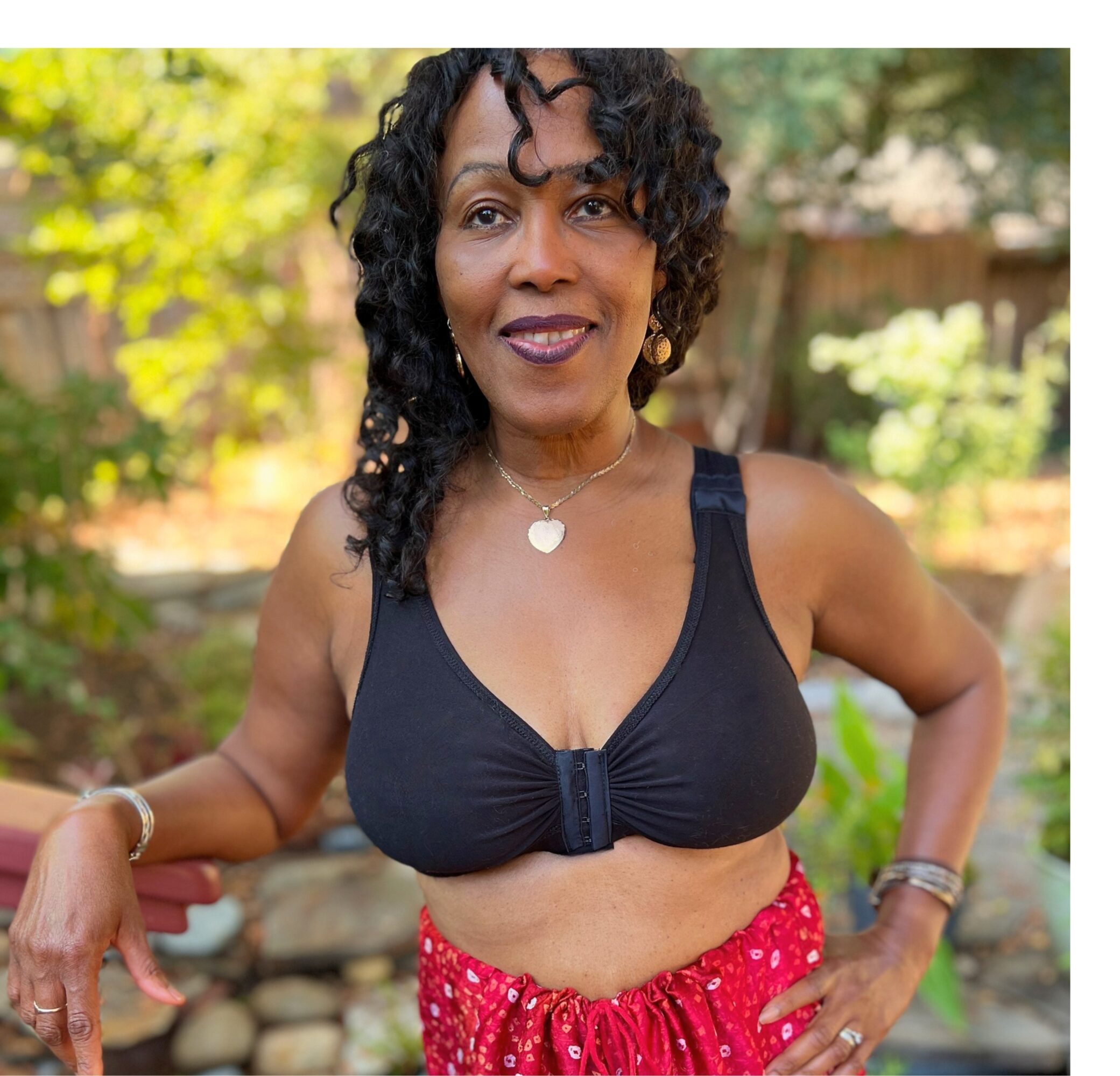
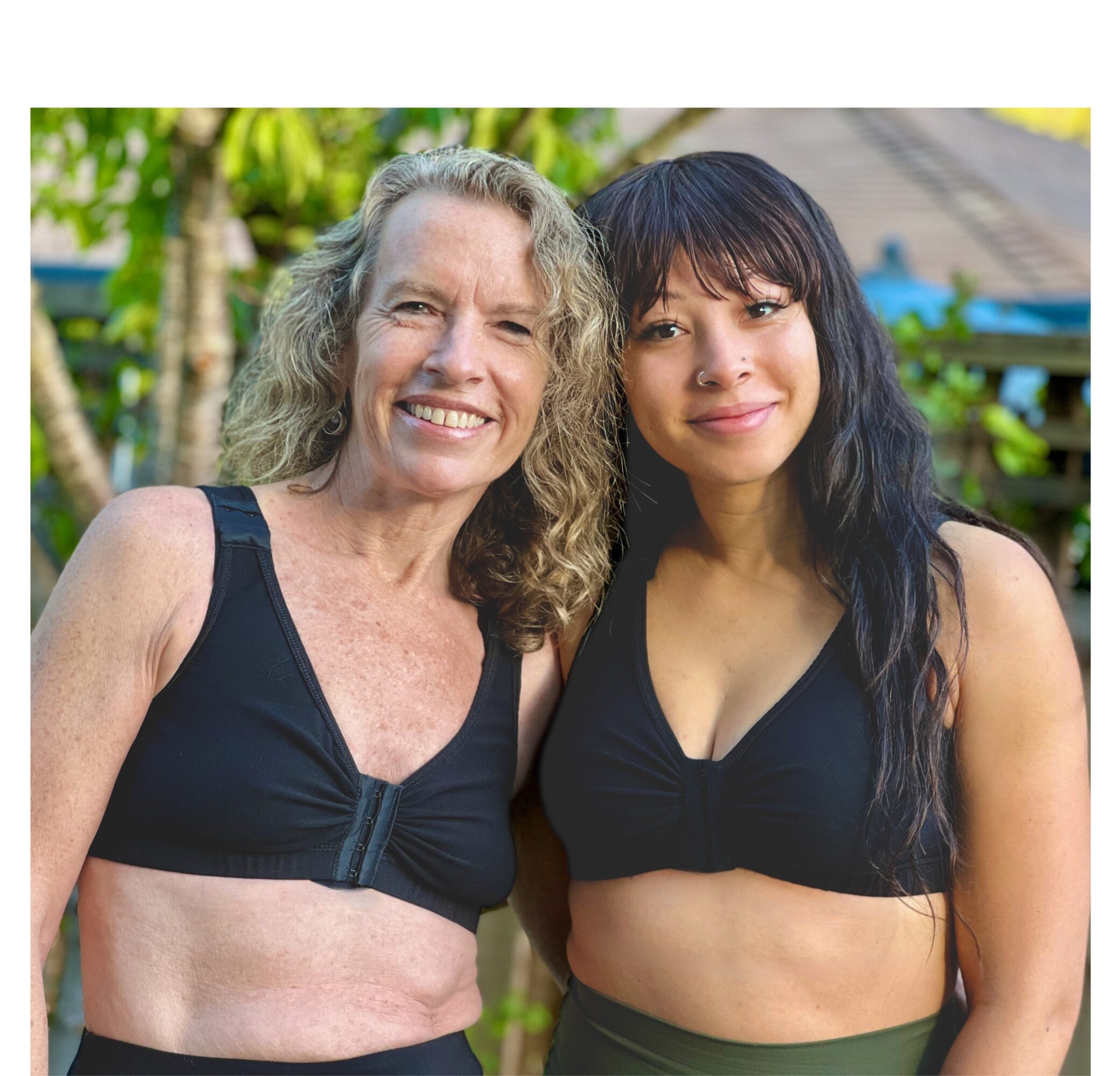
I decided to do something about it and created BraLisa with my longtime friend, Lisa Finaldi. We designed a post-surgical bra that truly supports recovery, prioritizing softness, breathability, moderate compression, and thoughtful construction. Made with organic cotton grown without the use of toxic, synthetic pesticides, our bra embodies our commitment to reducing harmful chemical exposure and advancing environmentally responsible production.
BraLisa represents the convergence of my life’s work and personal experience. It is built on the belief that what touches a woman’s skin during recovery can and should be held to the highest standard of comfort, health, and environmental sustainability.
Would you say it’s been a smooth road, and if not what are some of the biggest challenges you’ve faced along the way?
Building a small business in a space traditionally dominated by large medical supply companies comes with real challenges. Gaining access to healthcare systems and decision-makers is difficult for any independent brand, and we are no exception. Early on, I learned that having a better product is only part of the equation. Getting the right people to stop, listen, and take a chance on something new requires a different kind of persistence.
COVID made that work even harder. Just as we were finding our footing, the pandemic sharply curtailed access to healthcare professionals. Providers were stretched thin and rightly focused on urgent patient care, which meant that conversations about improving the recovery experience had to wait. We used that time to better understand our customers, develop our brand, and sharpen our message. It was a test of patience, resilience, and belief in what we were building.
A growing obstacle for small businesses is the increasing market dominance of large companies that supply a full range of medical products. As they expand their reach within hospitals and surgical centers through exclusive contracts and bundled purchasing agreements, they raise barriers to entry for smaller competitors.
Moreover, the rollback of federal programs that once gave small and women-owned businesses a pathway into these markets is eliminating opportunities they depended on to grow and compete. This has broader consequences, as meaningful innovation often begins with small businesses. They play an important role in supporting local economies and diverse workforces. When small and women-owned businesses lose access to these channels, patients are ultimately the ones who are left without access to products that could significantly improve their recovery experience.
Cost is another ongoing challenge. As a U.S.-based company committed to domestic manufacturing, organic cotton, and environmentally responsible packaging, our price reflects those choices. We believe they are the right choices for our customers, workers, and the planet. Competing with mass-produced and less costly synthetic alternatives means we must clearly communicate the value behind the bra we offer and connect with those who share it.
What has carried us through is the response from the women who wear BraLisa. When a customer tells us our bra was their main source of comfort during an otherwise painful recovery, or that it “feels like a soft hug,” they remind us why our work matters.
At BraLisa, comfort, care, and sustainability are inseparable and essential to achieving a full, long-lasting recovery. That is the standard of care we believe every woman should expect, and every medical provider should deliver.
Appreciate you sharing that. What should we know about BraLisa?
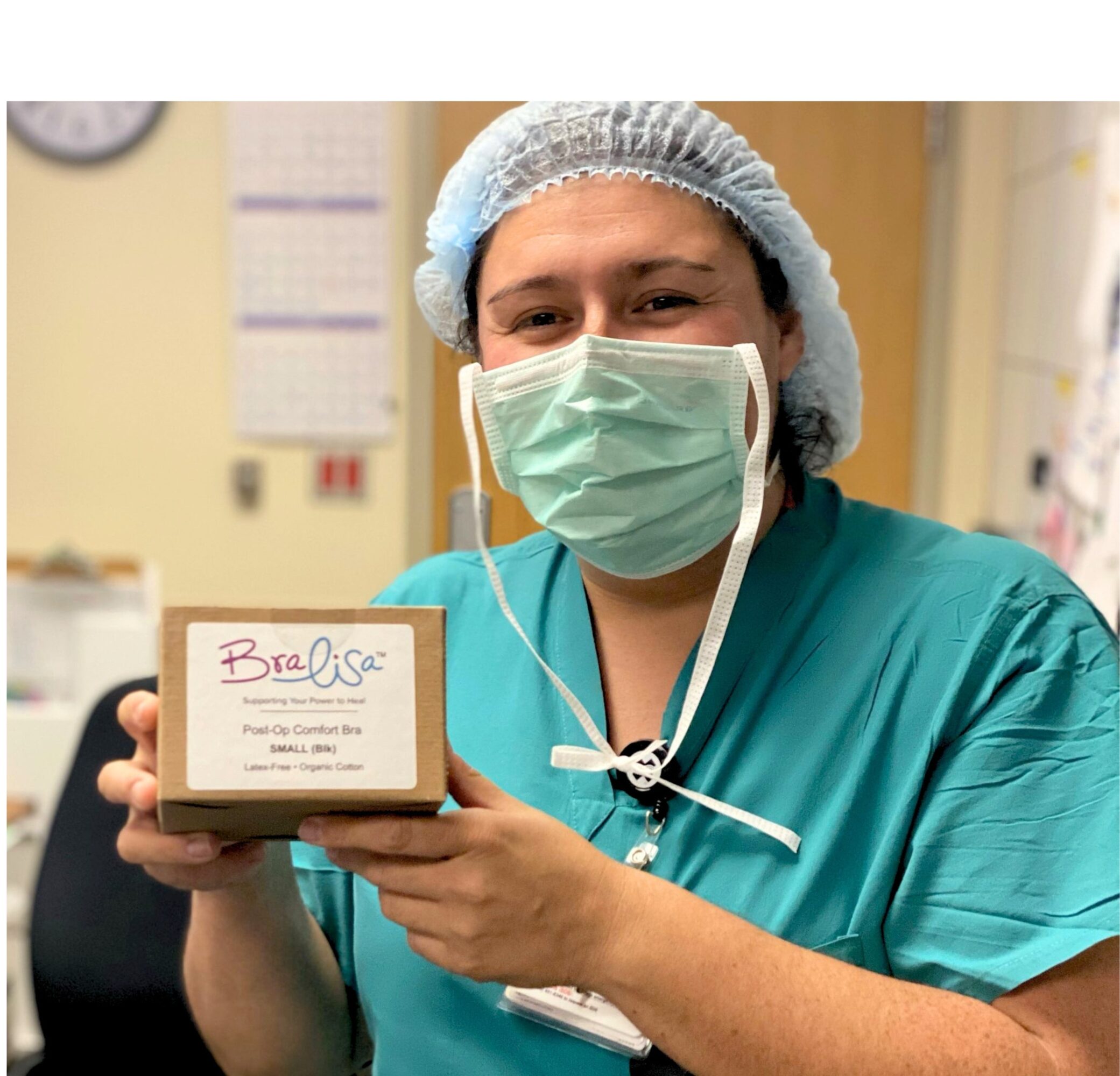
BraLisa is a post-surgical bra that improves comfort and support for women following breast surgery. What sets us apart is how we prioritize both the recovery experience and the environmental integrity of the materials we choose.
I designed BraLisa after facing my own post-surgical challenges, drawing on decades of experience as an environmental activist. The bras my surgeon provided were so uncomfortable that I had to line them with a cotton bandana to protect my incisions from the stiff, scratchy synthetic fabric and unlined elastic. That was the moment I realized women need a better bra to support their healing, and I set out to create one.
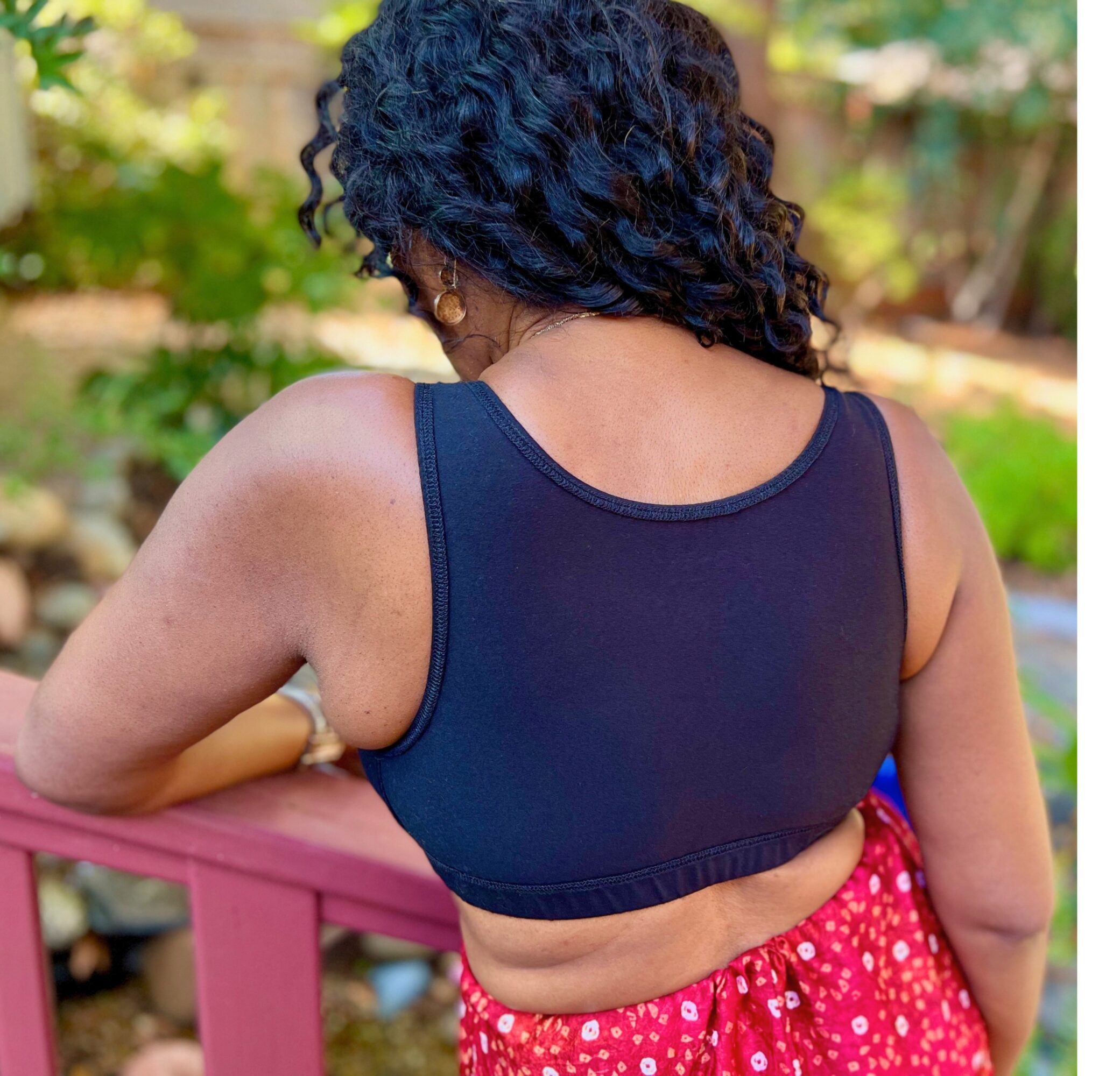
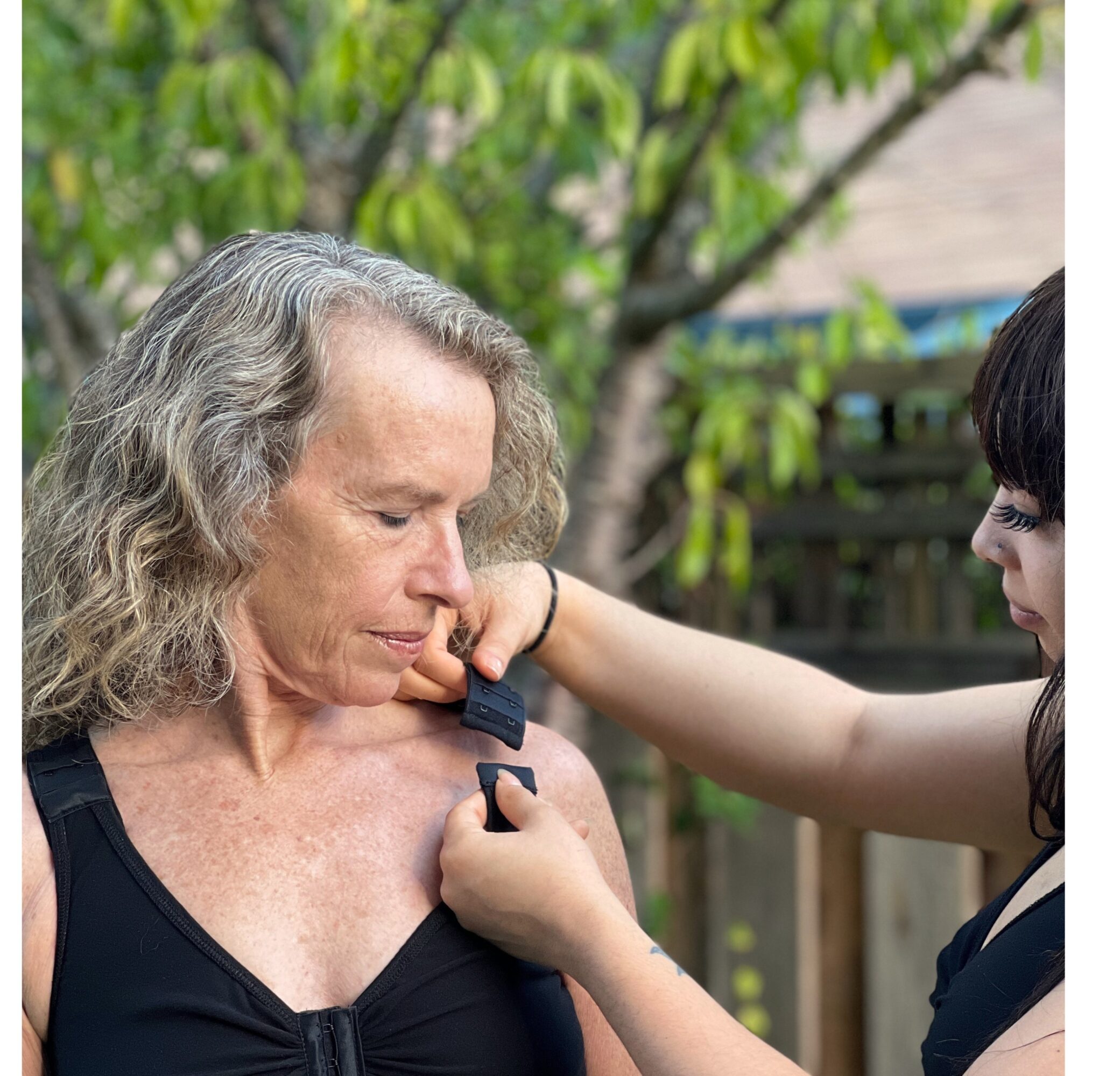
BraLisa uses organic cotton fabric with a hint of spandex to provide natural softness, support, and breathability for healing incisions. Every design detail serves a purpose. A front closure and adjustable straps make it easier to put on, take off, and adjust, especially for women with limited mobility. Seams sewn on the outside of the bra do not touch or irritate incisions. A full back provides additional support that helps minimize shoulder, neck, and back pain during recovery. Conversations with our customers have shown that even small changes in bra design can influence how they feel day to day and support their ability to relax and heal.
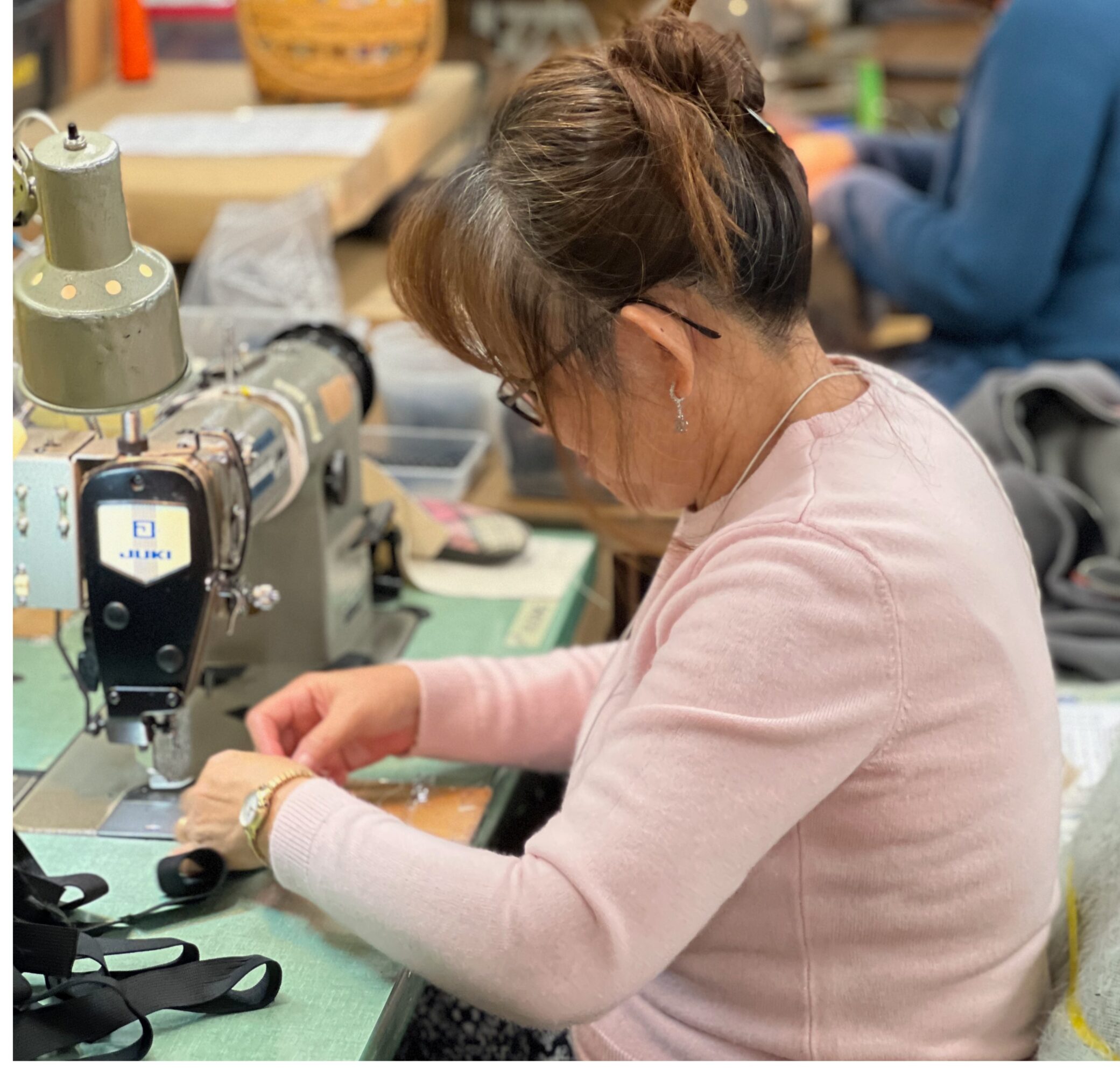
We are deliberate in minimizing our environmental footprint by manufacturing in the United States, sourcing components domestically, using recycled packaging, and eliminating plastics. In this way, we care for the earth as consciously as we care for our customers.
Many customers are not the patients themselves, but daughters, partners, friends, and colleagues who want to support someone they care about during recovery. That has become one of the most meaningful aspects of our work, because it shows how deeply BraLisa’s focus on comfort and care resonates with people. It inspires them to do something tangible to support an important person in their life.
What I am most proud of is that BraLisa fills a real gap in care. It is designed to meet women where they are in a vulnerable moment and elevate their comfort, dignity, and healing.
Where do you see things going in the next 5-10 years?
The post-surgical bra industry has not kept pace with the evolving patient-centered approach to healthcare. That needs to change. As women become more informed and engaged in their own health advocacy, I am optimistic that the demand and supply for products that prioritize comfort, non-toxic materials, and a better recovery experience will only grow. When that happens, medical institutions will have to adapt.
Innovations in fabric production now allow manufacturers to place stretch, give, and support in the precise locations where they are needed most. This precision has the potential to meaningfully improve healing outcomes.
The creation of high-performance fabrics represents another fast-growing trend, where producers introduce chemicals to achieve certain technically desirable properties. High-performance synthetic materials with claims of superior moisture wicking are on the rise. So is the use of new chemical treatments and finishes that are introduced to the market with little government oversight and few peer-reviewed studies on their long-term effects. These materials can appear in products worn directly against healing skin, including post-surgical bras. As someone who has spent decades studying how toxic chemicals move through supply chains and into human bodies, I find this particularly worrisome.
What concerns me most about these trends is the continued use of toxic chemicals in the U.S. bra industry given the weak regulatory framework. Federal requirements govern only a handful of chemicals in clothing; most notably flame retardants and endocrine-disrupting phthalates. Garments manufactured overseas are subject to even less oversight. Given that over 97% of clothing sold in the United States is imported, primarily from China, Vietnam, and Bangladesh, this represents an underrecognized threat to consumers that warrants further study and action.
We know there are better ways to innovate, as BraLisa demonstrates. Natural fibers bred for enhanced softness, durability, or fire resistance, and natural dyes derived from diverse biological sources, offer promising alternatives that do not sacrifice safety for performance.
As healthcare continues to embrace a more patient-centered model, comfort, reduced toxic chemical exposure, and sustainable production must be prioritized, not treated as afterthoughts. The companies that challenge existing norms and lead with these values will redefine the standard of care women expect and deserve.
Contact Info:
- Website: https://bralisa.com/
- Instagram: https://www.instagram.com/bralisacomfort/
- Facebook: https://www.facebook.com/BraLisaLLC
- LinkedIn: https://www.linkedin.com/in/lisajbunin/
- Other: https://www.californiashopsmall.com/vendor/bralisa/