





Today we’d like to introduce you to Tim Gorter.
Tim, we appreciate you taking the time to share your story with us today. Where does your story begin?
I came to architecture through an old house. As a teenager, I helped renovate my uncle’s stone farmhouse in the English countryside, and it showed me how much of a life a building can hold. I trained as a fine artist and work as an architect, and the two disciplines have shaped each other ever since. In 2010 I founded Tim Gorter Architects in Santa Barbara.
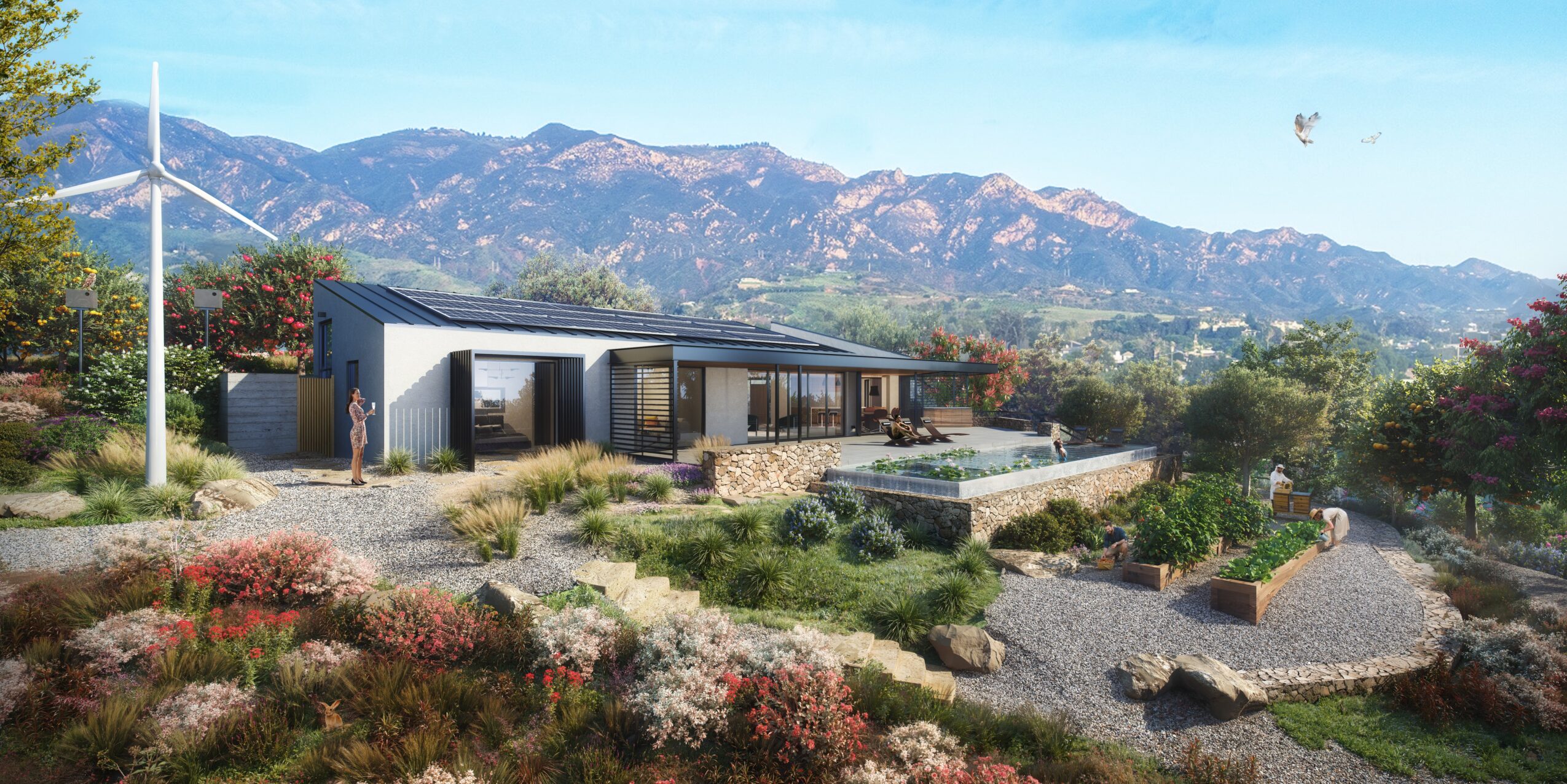
Today I have more than 25 years of experience, and my studio designs homes that are attuned to their landscapes and to the people who live in them. Along the way I became a Passive House–certified architect, because I believe a home should care for the health of the people inside it and for the environment around it.
Can you talk to us a bit about the challenges and lessons you’ve learned along the way. Looking back would you say it’s been easy or smooth in retrospect?
My biggest challenge has been showing people the true value of architecture. Many people see an architect as a luxury for the very wealthy, or as someone who makes a house look good. I believe architecture is far more than that.
We spend about 90 percent of our lives indoors, so the buildings we live and work in shape our health, our sleep, our focus, and how we feel every day, yet most people give far more thought to what they eat than to the environment in which they live or the air in their homes. Good design can give people cleaner air, better light, quiet, and comfort, while using less energy and treading lightly on the land.
Architecture also holds memory. A home can carry the places, rooms, and moments that matter to a family, so that their history takes root in the house and stays part of their daily life for decades. The standards that deliver this, like Passive House, are still uncommon here, and much of my work is making the case that architecture is an investment in the health and wellbeing of everyone who uses a building.
Thanks for sharing that. So, maybe next you can tell us a bit more about your work?
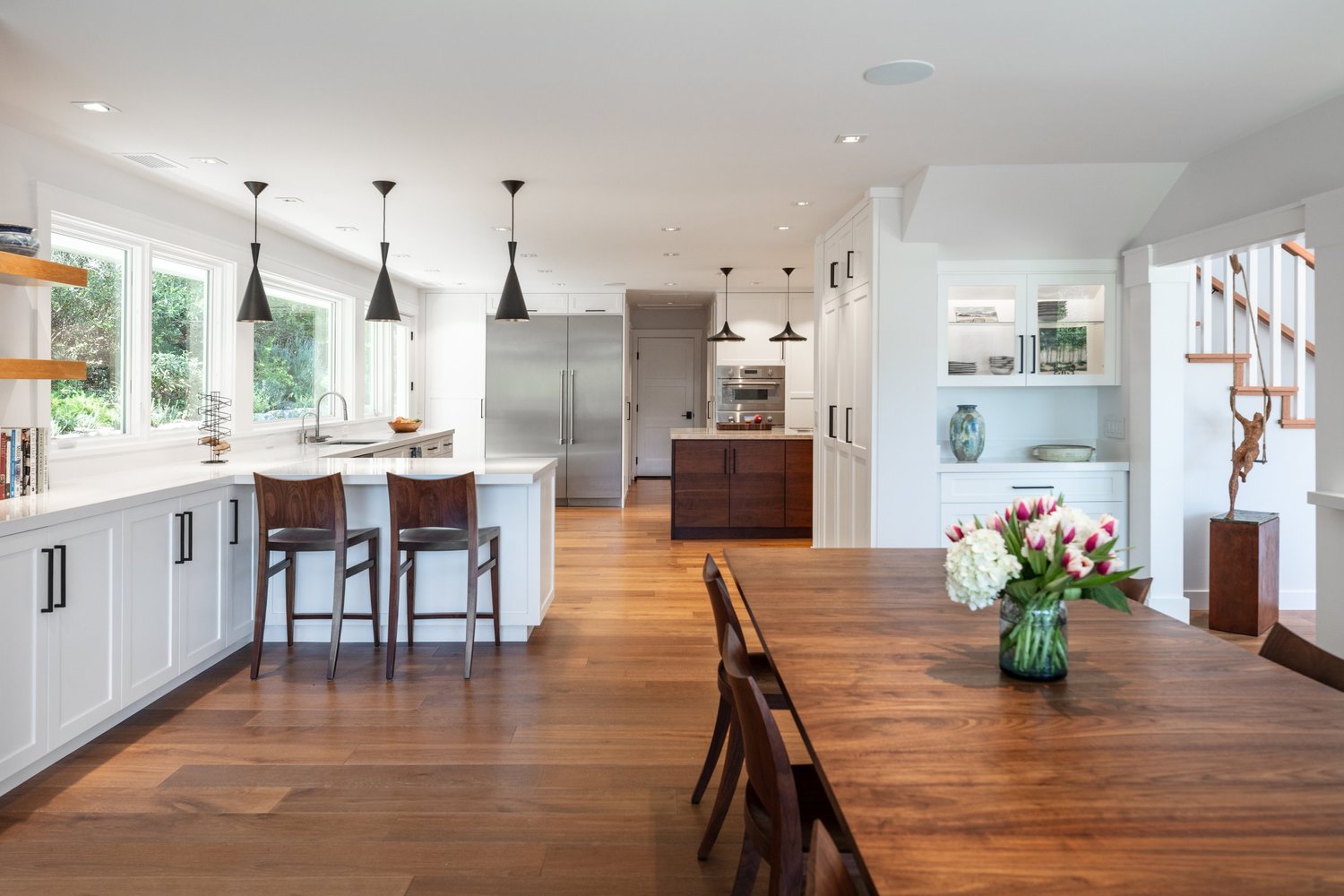
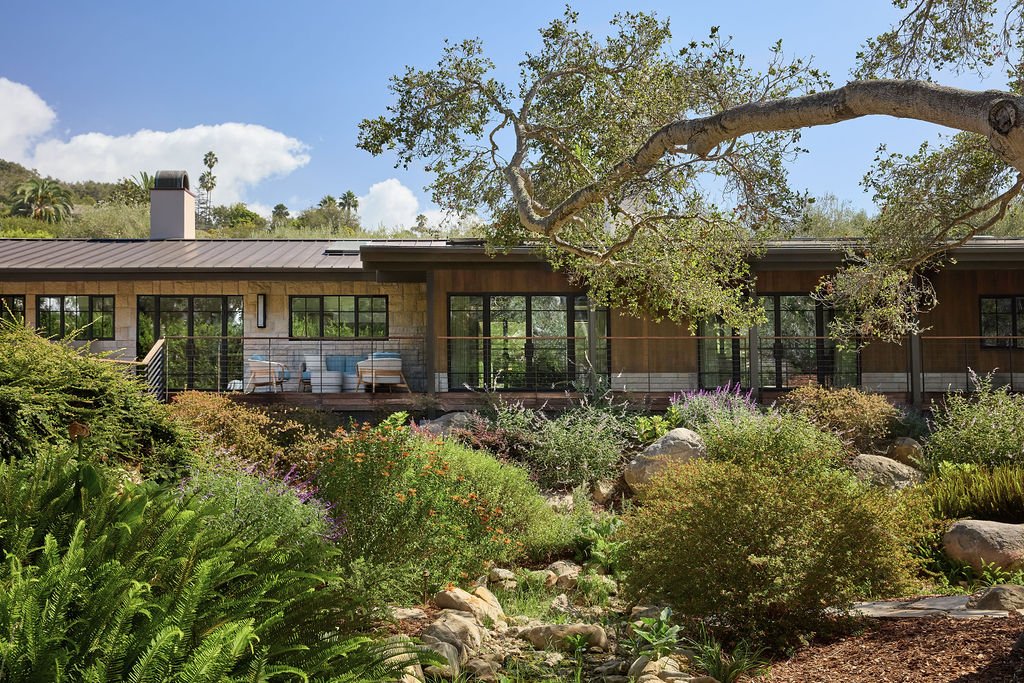
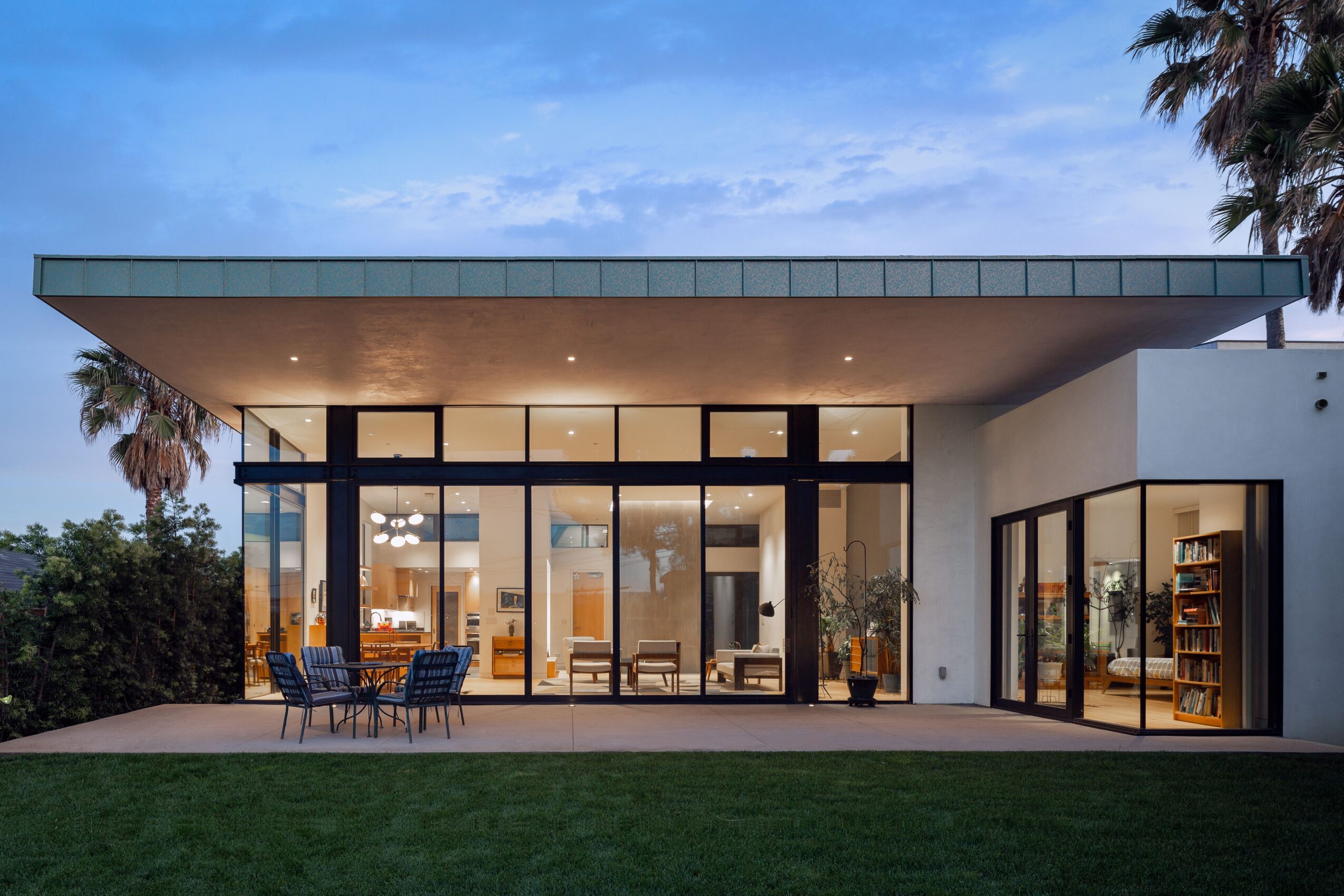
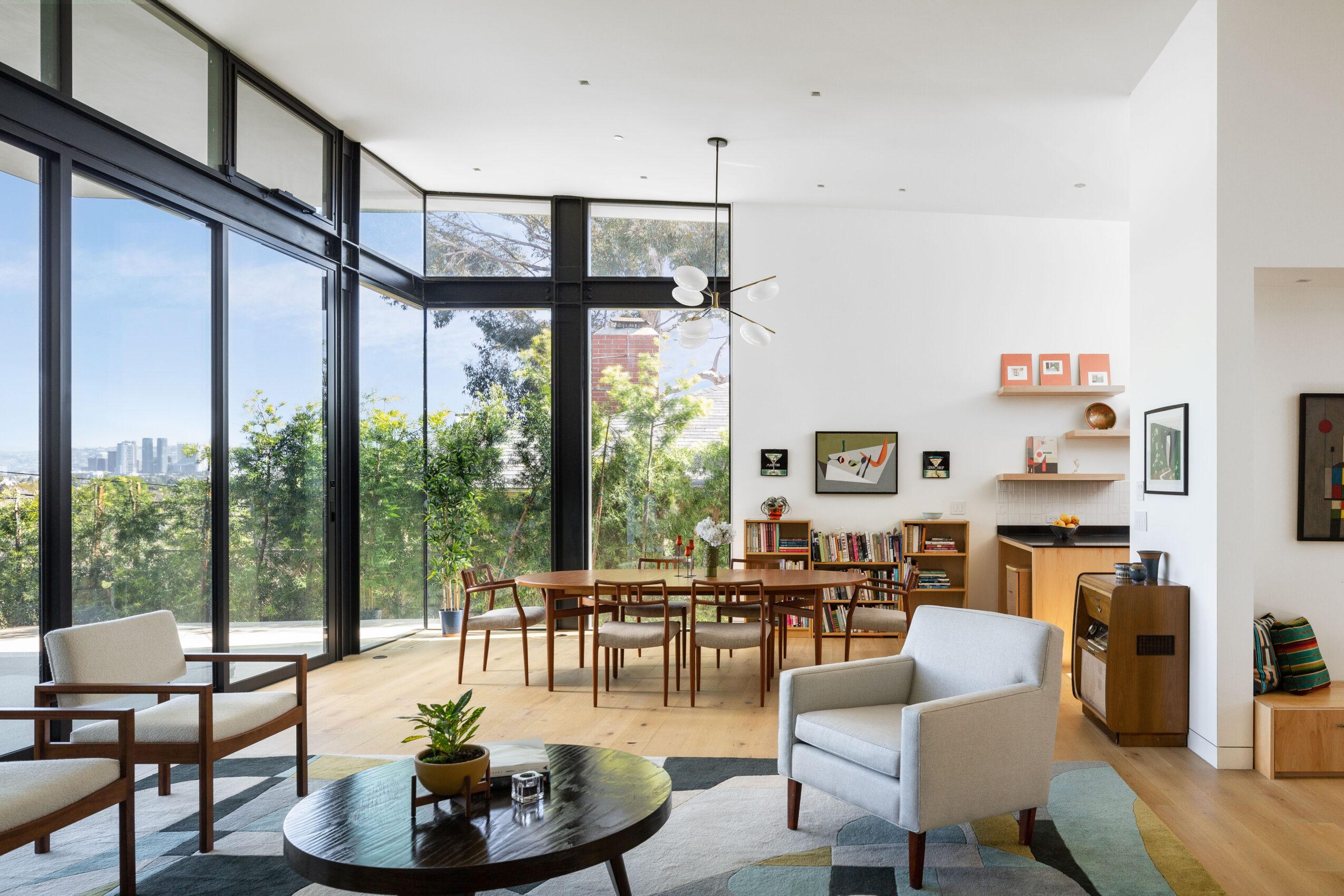
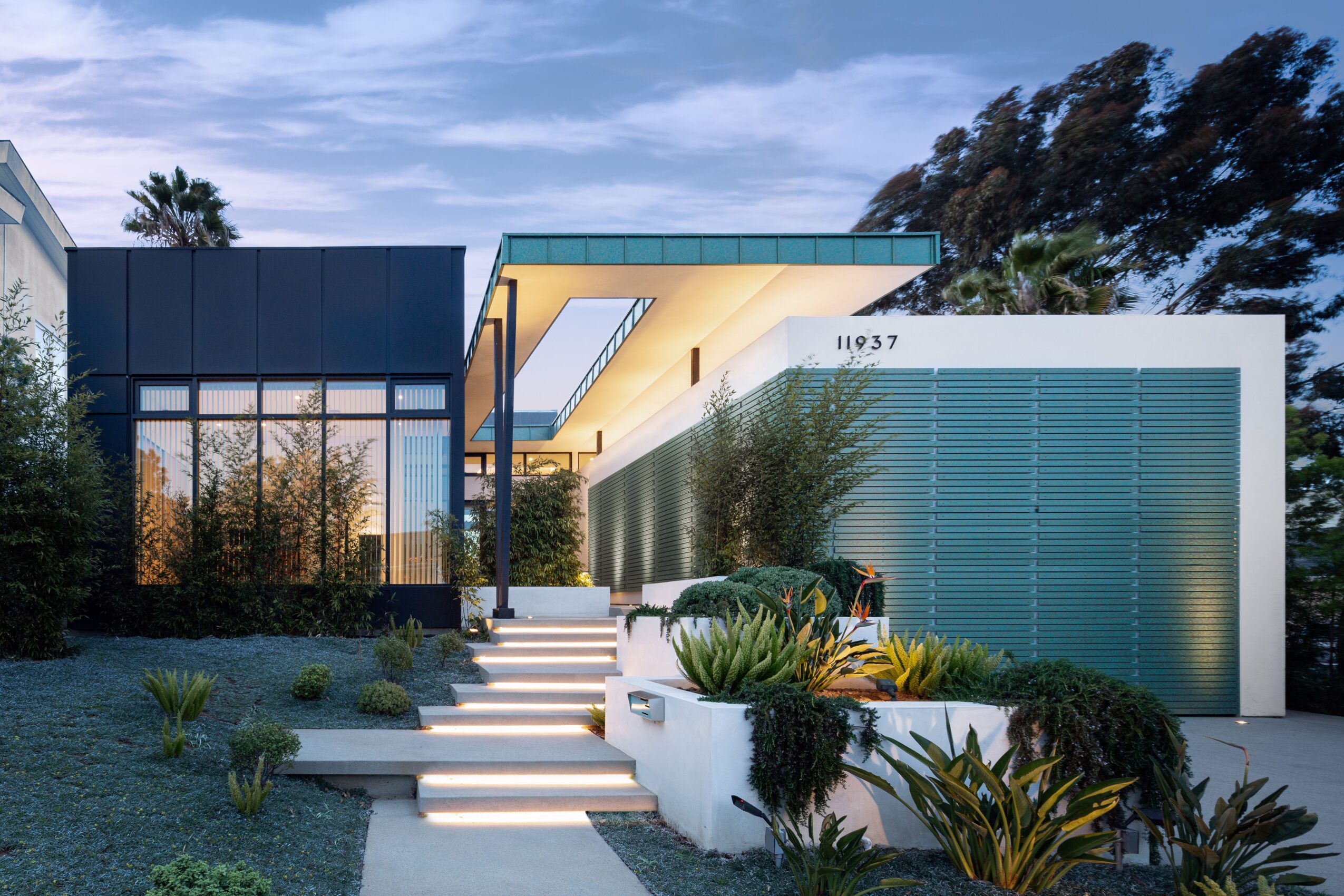
I design homes, and I believe residential architecture is fundamentally about memory. A house can be a place where memories of home take root, enrich daily life, and stay meaningful for decades. At the Mission Canyon Residence in Santa Barbara, I reinterpreted the owner’s former home, a converted barn in the Yorkshire Dales, in a contemporary design language. At Teach Nua in Ventura, the new house echoes the one that burned on the site in the Thomas Fire while making room for a new beginning. As an architect and fine artist, I pay close attention to craft, to the sensory experience of living in a space, and to the landscape around it.
My studio also designs to a standard we call Design for Wellbeing. It draws on research in environmental health, circadian science, acoustics, and thermal comfort, and treats air, light, sound, temperature, materials, and spatial psychology as direct influences on mood, sleep, and cognition. In practice that means fresh, filtered air with low CO₂; daylight as the body’s main cue during the day and true darkness at night; bedrooms quiet enough to meet World Health Organization night-noise guidance; low-emission materials; and calm, coherent spaces with views of nature.
The clearest expression of this is my project “The Perfect Bedroom,” which applies Design for Wellbeing to the room where we spend a third of our lives. It brings together the architectural principles and the products I use myself to create a bedroom that optimizes for comfort, serenity, and sleep. Good sleep is the foundation of wellbeing, and nearly everything that shapes it is architectural: the air, the light, the sound, the temperature, and the materials around us. Even 1 lux of light at night suppresses melatonin, noise raises cortisol even when we don’t wake, and the body needs to cool to between 60 and 66°F to reach deep sleep. The Perfect Bedroom answers each of those conditions with fresh, filtered air, true darkness, quiet below 30 decibels, a cool and stable temperature, and natural, low-emission materials.
The architecture of the room matters just as much. Windows along the east wall fill it with even daylight, and the bed is placed so the morning sun reaches it in every season, which helps set the body’s clock. A comfortable seat by the window gives a sense of refuge and a view of the landscape. There is a lounge for reading and resting, and no desk or screens, so work and stress stay outside the room. The lounge and the bed sit on perpendicular axes, which gives the space a quiet order, and in the evening warm lamps in the corners light the room without overhead glare. I’ve also written about where this could go next: a bedroom that senses when you enter deep sleep, then lowers the temperature to 64°F and keeps CO₂ below 600 parts per million. You can explore it at the-perfect-bedroom.com.
Are there any apps, books, podcasts, blogs or other resources you think our readers should check out?
A few books have shaped how I think about architecture. Christopher Alexander’s A Pattern Language shows how buildings and towns can grow from the patterns of everyday life. Bill Mollison’s Permaculture: A Designers’ Manual taught me to read a site as a living system. Rosalind Krauss’s essay “Sculpture in the Expanded Field” helped me think about where architecture, landscape, and art meet. And Junichiro Tanizaki’s In Praise of Shadows reminds me how architecture is in the end the art of shaping light and shadows.
Contact Info:
- Website: https://tim-gorter-architect.com
- Instagram: https://www.instagram.com/tim_gorter_architect/
- Other: My “Architecturally Speaking” columns in the Santa Barbara Independent: “Buildings That Listen” (https://www.independent.com/2026/04/02/buildings-that-listen/) “Every Breath We Take” (https://www.independent.com/2025/12/11/every-breath-we-take/) “No Fuel, No Fire” (https://www.independent.com/2025/04/10/no-fuel-no-fire/) “Passive House Design for a Net-Zero Future” (https://www.independent.com/2024/11/27/passive-house-design-for-a-net-zero-future/)